Articles
Legumes: Lentils, Chickpeas, Beans
2025-07-11
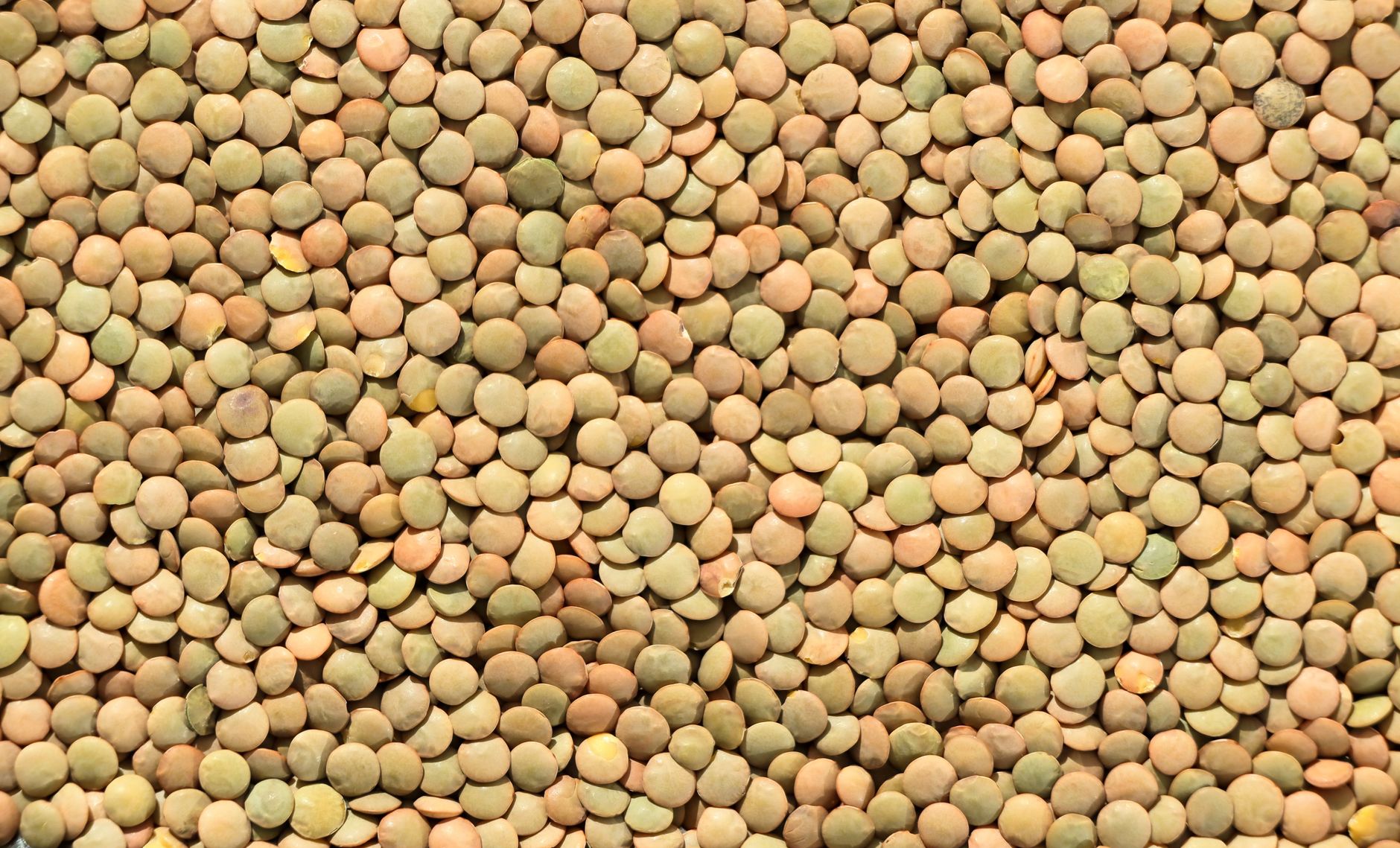
Legumes — lentils, chickpeas, beans, peas — are some of the most underrated staples in the kitchen. They’re inexpensive, keep for ages when dry, and hold their own nutritionally against far pricier protein sources. Each type has its own personality, though, and it’s worth learning the differences so you don’t end up boiling chickpeas into mush or simmering lentils an hour longer than they need.
Why legumes are good for you
What unites all legumes is a high content of plant protein and fiber, which makes them filling and good for digestion. The fiber in legumes is largely soluble, which helps keep you feeling full longer and supports regular digestion. Legumes are also a solid source of iron, magnesium, and folate (vitamin B9), and they tend to have a lower glycemic index than most grains, meaning they cause a gentler rise in blood sugar.
One important caveat: plant protein from legumes is generally considered incomplete, lacking sufficient amounts of certain essential amino acids compared to animal protein. That’s exactly why traditional cuisines around the world so often pair legumes with grains — rice with lentils, chickpea hummus with flatbread, beans with corn tortillas — the combination fills in each other’s amino acid gaps.
Lentils
Lentils are the fastest-cooking legume, since unlike chickpeas or beans they usually don’t need soaking. Red and yellow lentils break down into a soft puree in about 15-20 minutes, making them ideal for soups and dals. Green and brown lentils hold their shape much longer and work better in salads or side dishes where you want distinct, intact grains.
Chickpeas
Chickpeas have a denser, nuttier bite than lentils and almost always need 8-12 hours of soaking before cooking, or the process can stretch out for hours. Once soaked, they simmer for about an hour until tender. They’re the base for hummus and falafel and hold up well in soups and stews thanks to their firm texture even after long cooking.
Beans
Beans come in dozens of varieties, from small red beans to large white ones, and like chickpeas they generally need soaking, which shortens cooking time and improves digestibility. Dried beans must be cooked thoroughly: undercooked beans, especially red kidney beans, contain natural compounds that can cause digestive upset, and these are only neutralized by proper, full cooking.
Peas
Dried peas are another kitchen staple that gets less attention than lentils or chickpeas. Split peas, unlike whole dried peas, break down almost completely during cooking and turn into a thick puree, which is why they’re the go-to choice for pea soup. Whole dried peas hold their shape better but take noticeably longer to cook and usually need several hours of soaking first. Nutritionally, peas are close to lentils — a good amount of protein, fiber, and B vitamins — though with a slightly more earthy flavor.
Tips for cooking them well
It’s best to add salt toward the end of cooking — salting legumes too early can leave the skins tough. Acidic ingredients like tomatoes, lemon juice, or vinegar should go in after the legumes have already softened, for the same reason, since acid slows down the softening process. Hard water with a high mineral content can also interfere with legumes softening properly, which is why cooking times sometimes run noticeably longer in areas with hard tap water.
Canned chickpeas and beans are a perfectly good alternative to dried ones — just rinse off the canning liquid and they’re ready to use, which is especially handy on busy weeknights. The main differences are cost per serving and texture: canned legumes tend to be a bit softer than ones cooked at home from dried, but that hardly matters for soups, stews, or salads.
How to store them
Dried legumes can keep for a year or more in a sealed container in a cool, dark place, but not indefinitely — the older a batch gets, the longer it takes to cook, and very old legumes sometimes never soften fully no matter how long you simmer them. That’s a good reason to buy legumes in smaller batches rather than stockpiling them for years. Cooked legumes freeze beautifully in portions, which is a convenient way to cut down on future cooking time, since thawing and reheating already-cooked lentils or chickpeas takes just a few minutes.
An easy way to eat more of them
The simplest way to start is not by cooking a dedicated legume dish, but by stirring a handful of cooked lentils or chickpeas into meals you already make — a salad, a soup, a pan of roasted vegetables. This gradual approach helps both your digestion adjust to the extra fiber (a sudden jump in legume intake can sometimes cause bloating) and your palate adapt — you don’t need to build an entire recipe around legumes just to see the benefit.
 Share via email