Articles
Summer Produce: What to Buy
2025-07-17
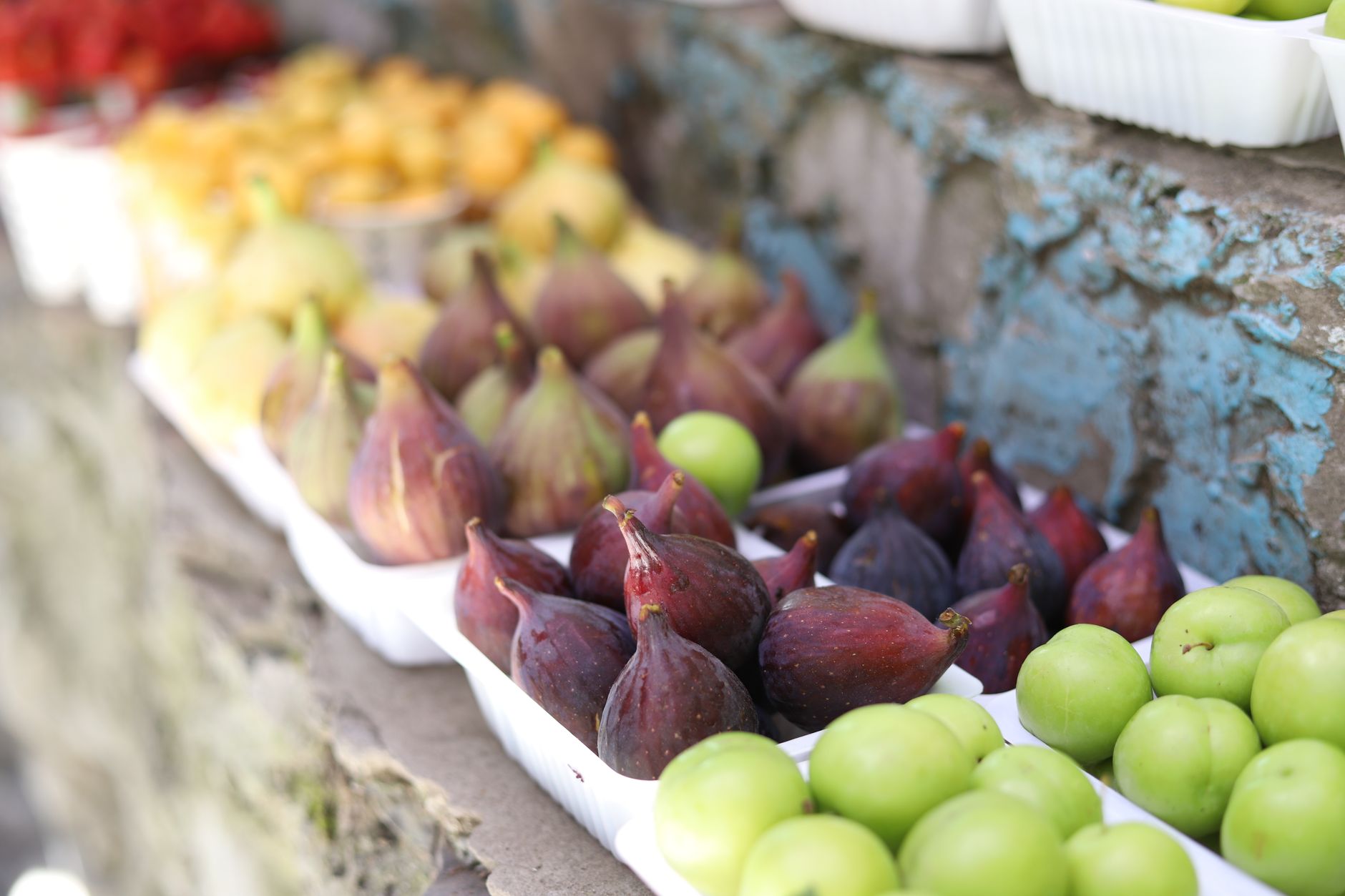
Why shopping by season matters in summer
Midsummer is when farmers markets and produce aisles change from one week to the next. Vegetables and fruit grown outdoors under full sun have time to build up real sugar and aroma, and because they travel a much shorter distance from field to stall, they’re usually cheaper than the greenhouse versions sold the rest of the year. It pays to plan a shopping trip around “what’s ripe right now” rather than a fixed list — that’s the easiest way to end up with a basket that’s both tastier and less expensive. Produce at its peak also needs almost nothing done to it: a ripe tomato or peach barely needs more than salt, oil, or nothing at all to taste good.
There’s a practical upside too — peak season usually means peak supply, which translates into the lowest prices of the year. Buying in bulk right now is also the cheapest way to stock up for freezing and preserving, well before winter prices on imported produce kick in.
Vegetables: the stars of July
Tomatoes are at their most flavorful this month — field-grown ones ripened on the vine, not in a greenhouse, tend to feel heavy for their size and smell faintly earthy at the stem. Cucumbers are best bought small, with firm skin and pronounced bumps; overgrown ones often turn bitter and lose their crunch. Zucchini and young eggplant get noticeably cheaper in July, while sweet bell peppers and early corn are just coming into season. Fresh garlic is also worth grabbing while its skin is still slightly moist and papery — it’s milder than last year’s cured bulbs and works beautifully in summer sauces and quick pickles.
Young beets and carrots deserve attention too: in July their tops are still fresh and edible, and the roots themselves are small, sweet, and largely free of the woody fibrousness that sets in during long winter storage. They can be cooked whole, skin and all, with just a quick scrub.
Berries and fruit in season
Strawberry season is winding down, making room for raspberries, blueberries, and currants, and by the end of the month the first sweet cherries and early apricots start showing up. Choose berries without soft spots or juice stains at the bottom of the container — pooled juice is a reliable sign that the fruit underneath has already started to spoil. Peaches and nectarines are only starting to reach their peak sweetness now, so if they feel firm, letting them sit at room temperature for a day or two makes a real difference.
Watermelon and melon get noticeably sweeter and cheaper as July goes on: a ripe watermelon sounds hollow when thumped, and a good melon already smells distinctly floral near the stem. Both are best bought in smaller batches as needed, since they don’t hold up well in the fridge for more than a few days.
Herbs and greens
Bunched herbs — dill, parsley, basil, cilantro — are cheap and available almost everywhere in summer. Basil in particular is worth buying fresh rather than stocking up, since its aroma fades fast once cut; smaller, more frequent purchases beat one big batch that wilts in the fridge. The same goes for sorrel and young nettles, both of which have a short window and are easy to miss if you’re not looking for them.
Mint, tarragon, and other fresh herbs are especially fragrant right now too, and they’re worth using beyond drinks — stirred into a marinade for grilled meat or fish, which fits the season just as well.
How to pick well at the market
The main trick is trusting your nose and hands more than your eyes. A ripe melon smells sweet even at the stem end, a good tomato gives off a faint grassy scent, and overripe berries are almost always given away by a mushy texture. Going early in the day, while selection is still wide, and asking vendors where something was grown both help — locally grown, field-ripened produce almost always beats greenhouse imports on flavor.
It’s also worth paying attention to how a stall looks overall — vendors who care about freshness tend to pull spoiled items off the table quickly and avoid leaving produce baking in direct sun all day.
Making the most of a big haul
If a shopping trip turns into more produce than can be eaten in a few days, it’s worth setting some aside for preserving right away: peppers and eggplant freeze well after a quick sauté, and berries just need to be spread in a single layer and frozen before bagging, so only the amount needed gets thawed later. Tomatoes at peak ripeness are also easy to turn into a quick homemade sauce and freeze in portions — a shortcut that beats store-bought jars once winter comes around. That way summer’s abundance doesn’t go to waste, and a bit of its flavor stays on hand even once the season has passed.
 Share via email