Articles
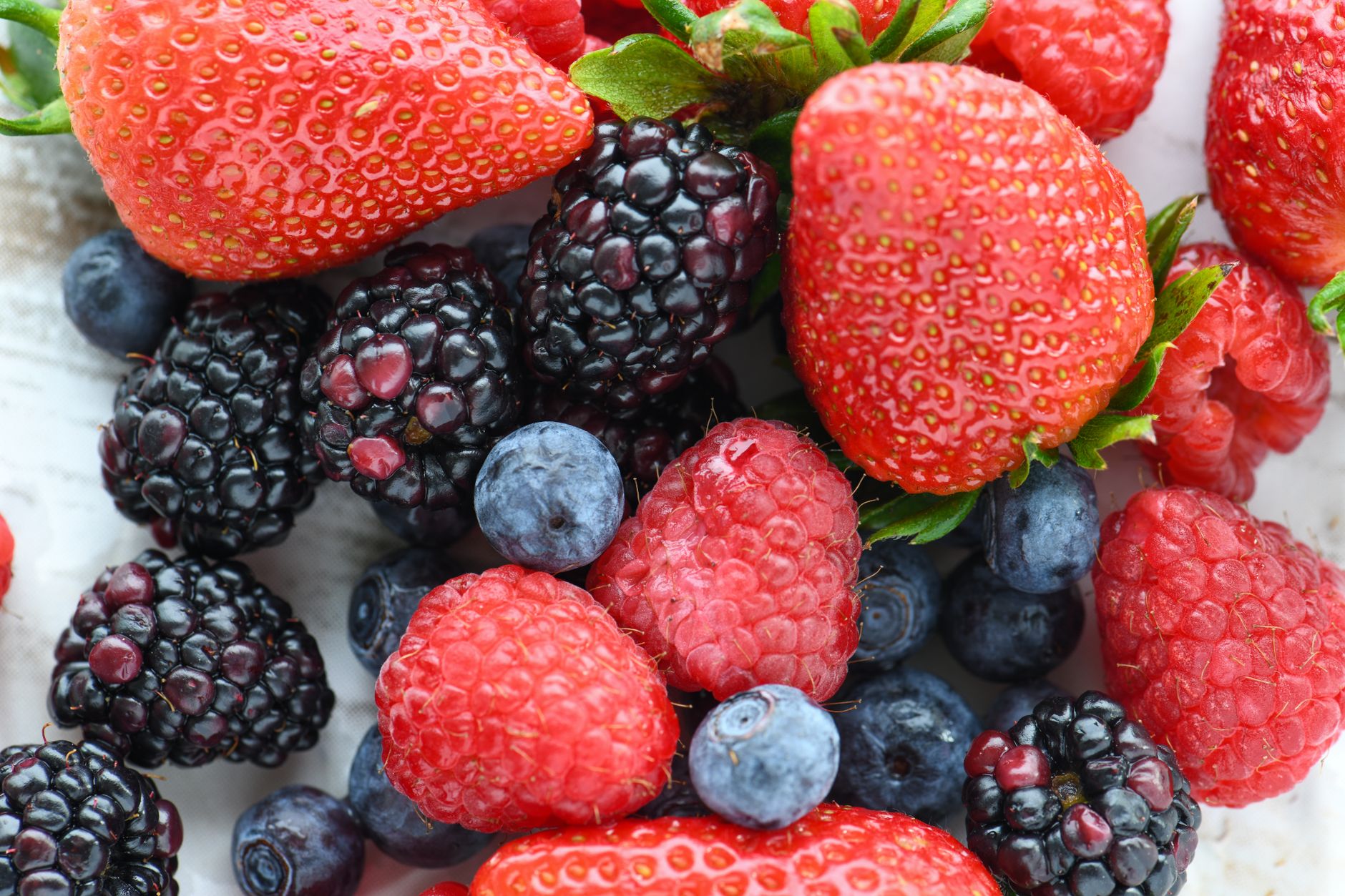
Berry season is in full swing
July and August are when blueberries, raspberries, and currants show up at markets one after another, and it’s worth taking advantage while they last. All three are low in calories, rich in fiber, and well known for their vitamin C content and the antioxidants responsible for their bright colors. Let’s look at each one and think about the best ways to eat them.
Blueberries
Blueberries are best known for their anthocyanins — the same pigments that give them their deep blue color and are widely recognized as strong antioxidants. They’re low in calories and have a decent amount of fiber, which makes them a solid snack that won’t spike blood sugar the way many sweets do. Blueberries hold onto their nutrients best when eaten fresh or frozen; freezing barely affects their vitamin content, while extended cooking gradually breaks it down.
Beyond anthocyanins, blueberries also contain vitamin K and a modest amount of manganese, both of which support bone health alongside the fiber. They pair naturally with dairy — yogurt or cottage cheese — and that combination isn’t just tasty; the fat and protein also slow down how quickly the berries’ natural sugars are absorbed.
Raspberries
Raspberries stand out among summer berries for their especially high fiber content, which is why they’re often recommended to people watching their digestion. They’re also a good source of vitamin C and manganese, a mineral involved in bone health and metabolism. Raspberries are delicate and spoil fast, so fresh ones are best eaten within a day or two of buying; for longer storage, freezing them as soon as possible after picking works best.
Because they’re so delicate, raspberries shouldn’t be washed in bulk ahead of time — the extra moisture speeds up spoilage. They hold up surprisingly well in baking too, keeping much of their flavor even after a short stint in the oven.
Currants: black and red
Black currants are among the richest common berries in vitamin C — a single handful of fresh ones can go a long way toward covering a day’s needs. Red currants have less vitamin C than black ones but bring a pleasant tartness and a good amount of pectin, a natural thickener that makes them ideal for jellies and fruit drinks. Both varieties freeze and dry well, holding onto most of their flavor.
Black currants also carry a fair amount of potassium along with the antioxidants responsible for their deep, dark color. Thanks to their sturdier skin, they keep in the fridge longer than raspberries or blueberries, which makes them a convenient choice for anyone who isn’t planning to eat the whole batch right away.
How to choose and store them
When buying, look for dry berries with no juice pooling at the bottom of the container — damp patches usually mean some of the berries underneath have already started to spoil. It’s best not to wash fresh berries until right before eating, since moisture speeds up spoilage. For longer storage, rinse and thoroughly dry the berries, then freeze them in a single layer on a flat tray before transferring to a bag — this keeps them from clumping into one solid mass.
Getting the most nutritional value
Vitamins are best preserved in berries eaten fresh or after a quick freeze with no further cooking. They’re easy to stir into yogurt, oatmeal, or a smoothie, or eaten straight as a no-prep snack. Jams and compotes are delicious, of course, but extended heat noticeably reduces vitamin C content, so it’s worth setting some of the harvest aside to eat fresh or frozen instead.
 Share via email