Articles
Oats: Benefits for Digestion
2025-08-08
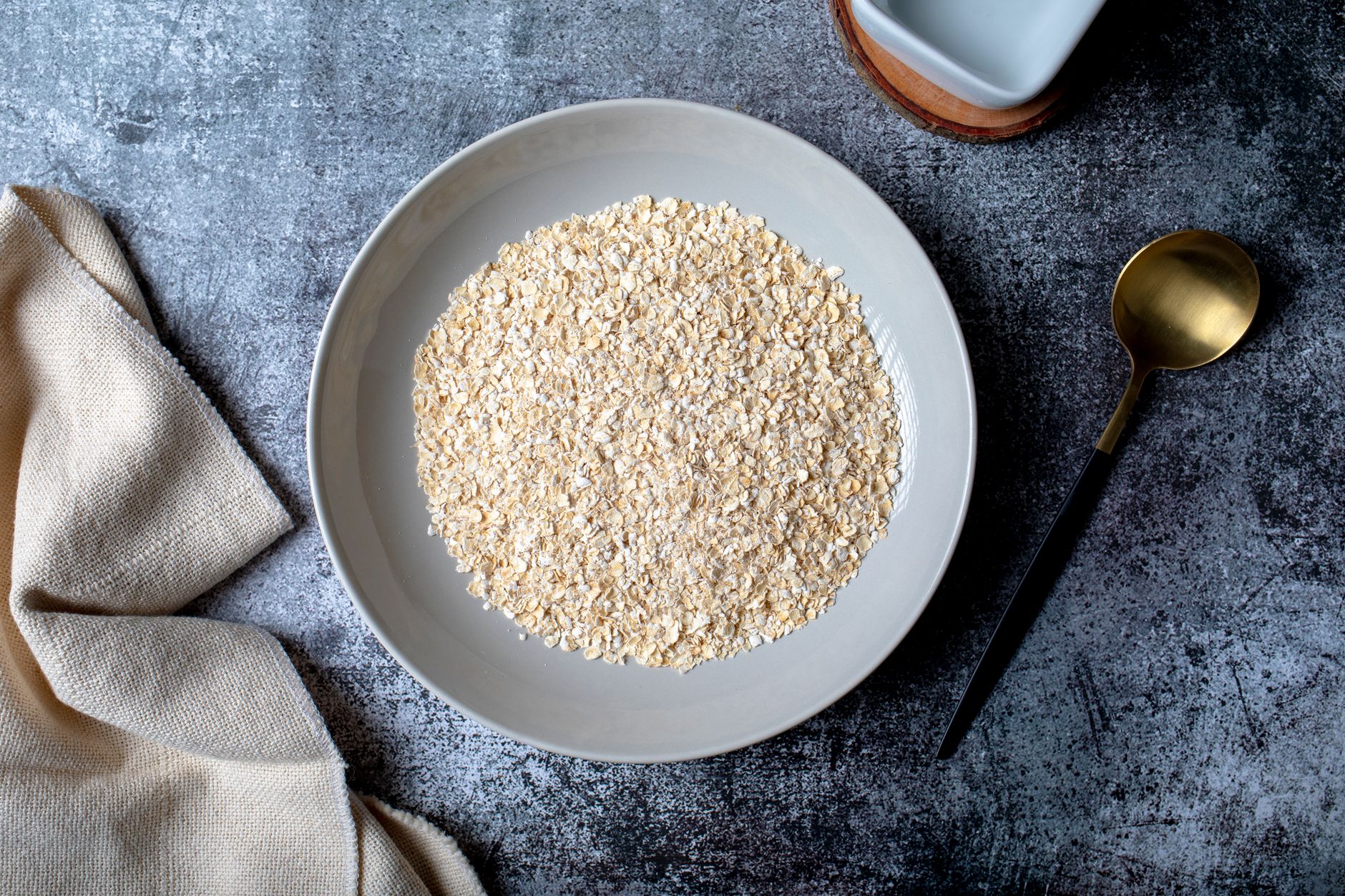
Oats have long had a reputation as one of the gentlest, most digestion-friendly breakfast foods — and that’s not just tradition, it comes down to what’s actually in them. The star player is fiber, specifically a type that makes oats noticeably better for digestion than many other grains.
Soluble fiber and beta-glucan
Oats are rich in soluble fiber, most notably a type called beta-glucan. When it meets water, it turns into a gel — which is exactly why cooked oatmeal is so thick and creamy. That gel slows down how quickly food moves through the digestive tract, which helps you feel full longer and makes digestion feel smoother, without sharp spikes.
Supporting regular bowel movements
Oats also contain insoluble fiber, which adds bulk to stool and makes it easier to pass through the intestines. Having both soluble and insoluble fiber in one food is fairly unusual among grains, and it’s a big part of why oats are commonly recommended for mild digestive issues, whether that means occasional constipation or generally irregular digestion.
Feeding the good bacteria in your gut
The fiber in oats also serves as food for the beneficial bacteria living in the large intestine. As those bacteria ferment the fiber, they produce short-chain fatty acids, which are considered beneficial for the health of the gut lining. A diverse, active gut microbiome has been linked to a range of positive effects on overall health, and fiber from grains like oats is one of the simplest ways to support it.
Gentle on a sensitive stomach
Compared to some other whole grains, oats tend to be seen as gentler and easier to digest. That’s part of why they’re often recommended when recovering from a stomach upset — oatmeal cooked in water is unlikely to irritate the digestive tract while still providing energy and fiber.
Oats and blood sugar levels
There’s another angle worth mentioning, one that’s only loosely tied to digestion but still matters for how you feel overall: oats’ effect on blood sugar. The same beta-glucan gel that slows food’s journey through the gut also slows down how quickly sugar is absorbed into the bloodstream. As a result, blood sugar tends to rise more gradually after oatmeal than after a bowl of cereal or baked goods made from quickly digested refined grains, and the feeling of fullness tends to last longer — which can help curb overeating later in the day.
Easing into a higher-fiber diet
Anyone who hasn’t eaten much fiber before should be patient when adding oats to their routine, since the gut needs time to adjust to a higher fiber load. Mild bloating or changes in bowel habits in the first few days are a fairly normal response and usually settle down as the gut microbiome adapts to the new food. Increasing portions gradually, rather than jumping straight from almost no fiber to a large bowl of oatmeal every day, helps avoid unnecessary discomfort.
Getting the most digestive benefit from oats
To get the most out of oats for digestion, it helps to choose whole-grain versions — old-fashioned rolled oats or whole oat groats rather than heavily processed instant oatmeal, which loses some fiber and nutrients during processing. It’s also a good idea to increase fiber intake gradually and drink enough water alongside it — a sudden jump in fiber without enough fluids can backfire and cause bloating or discomfort instead of relief.
A solid approach is oatmeal cooked in water or milk, topped with fresh or dried fruit, nuts, and seeds — this doesn’t just improve the flavor, it adds even more fiber and nutrients to the meal. Oats can also be soaked overnight (the “overnight oats” method), which softens the texture and can make them easier to digest first thing in the morning for anyone who wants a gentler start to the day.
 Share via email