Articles
How to Cook Fluffy Rice Every Time
2025-08-13
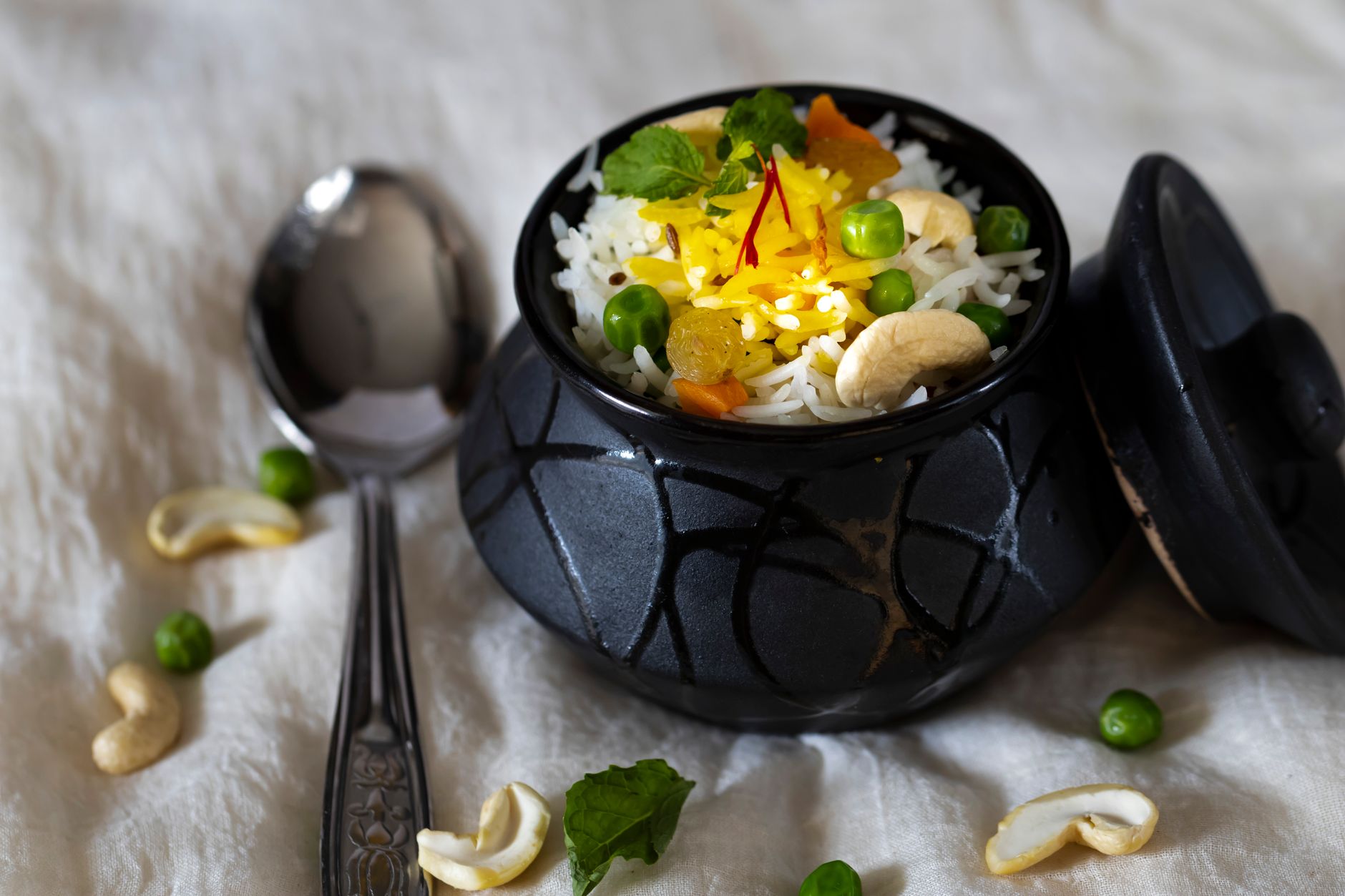
Fluffy rice is one of those side dishes that seems simple until it turns into a sticky clump in the pot. The good news is that the result comes down to a handful of straightforward habits that are easy to remember and repeat every single time.
Why rice turns gummy
Rice sticks together mainly because of excess surface starch. Grains are coated in fine starch dust left over from milling, and if the rice goes into the pot unwashed, that starch dissolves into the cooking water and turns into a gluey film that binds the grains together. Too much water and overcooking make things worse — rice that’s cooked too long breaks down and turns mushy no matter how well it was rinsed beforehand.
Rule number one: rinse it
The single most important step people skip is rinsing the rice thoroughly before cooking. Rinse it in cold water, changing the water several times, until it runs mostly clear — usually 3 to 5 rinses does it. This removes most of the loose surface starch and dramatically cuts down on stickiness, regardless of the type of rice you’re using.
Getting the water ratio right
For most long-grain white rice, a standard ratio is one part rice to about one and a half to two parts water by volume. Too much water leaves the rice soft and waterlogged; too little leaves it hard and undercooked in the center. It’s worth checking the ratio on the package for the specific variety you’re using, since basmati, jasmine, and short-grain rice all behave a little differently.
The cooking method that works
One of the most reliable methods is to bring the rinsed rice and water to a boil over high heat, then immediately drop the heat to low, cover the pot tightly, and leave the lid on until the rice is done. The rice essentially steams in the residual heat and trapped moisture rather than boiling actively, which is what keeps the grains intact. This usually takes about 12-15 minutes for white rice.
Let it rest before fluffing
Once the heat is off, resist the urge to lift the lid right away — let the rice sit covered for another 5-10 minutes. During this time, the remaining steam redistributes evenly through the pot, and any slightly damp grains at the bottom have a chance to dry out. Only after this rest should you fluff the rice, and it’s best done with a fork rather than a spoon, gently lifting and separating the grains instead of pressing them together.
A few extra tips
A small amount of oil or butter added to the cooking water helps keep the grains from clumping and gives the finished rice a light sheen. It also helps to avoid stirring the rice while it cooks, since stirring releases extra starch and encourages stickiness. If the rice does turn out a bit gummy, spreading it in a thin layer on a baking sheet to cool completely often helps separate the grains again, which is especially useful if you’re planning to use it for fried rice the next day.
Different rice, different logic
Long-grain white rice, like jasmine or regular milled rice, is naturally the best choice for a fluffy side dish because it’s relatively low in amylopectin, the type of starch mainly responsible for stickiness. Short-grain rice is the opposite case — it’s deliberately used where you want stickiness, as in risotto or rice pudding — so trying to make it fluffy usually works against the grain’s natural texture. Basmati sits somewhere in between and is prized for the fact that its grains not only resist clumping but actually elongate noticeably as they cook, staying thin and clearly separate.
Brown rice behaves a bit differently because it still has its bran layer intact: it needs more water and considerably more cooking time, typically 35-45 minutes instead of 12-15. That bran layer also means brown rice rarely gets quite as glossy and separate as milled white rice, but thorough rinsing and the right water ratio still make a noticeable difference.
Checking for doneness
The most reliable way to check if rice is done is by tasting a grain, not by watching the clock — recommended cooking times can shift slightly depending on the variety, how old the rice is, and even water hardness. A properly cooked grain should be tender on the outside but keep just the faintest bit of firmness at the very center, without any raw, crunchy core. If the center still feels hard after the recommended time, add a couple of tablespoons of boiling water, put the lid back on, and let it cook a few more minutes without stirring.
Dealing with leftovers
Cooked fluffy rice keeps well in the fridge for two to three days in a sealed container and reheats nicely in a pan with a little oil — rice that’s dried out slightly overnight actually works best for fried rice, since some of the excess moisture has already evaporated. If freezing it, cool the rice first and portion it out; reheated in the microwave with a splash of water, it recovers most of its original fluffy texture.
 Share via email