Articles
Cottage Cheese: Benefits and Quality
2025-08-26
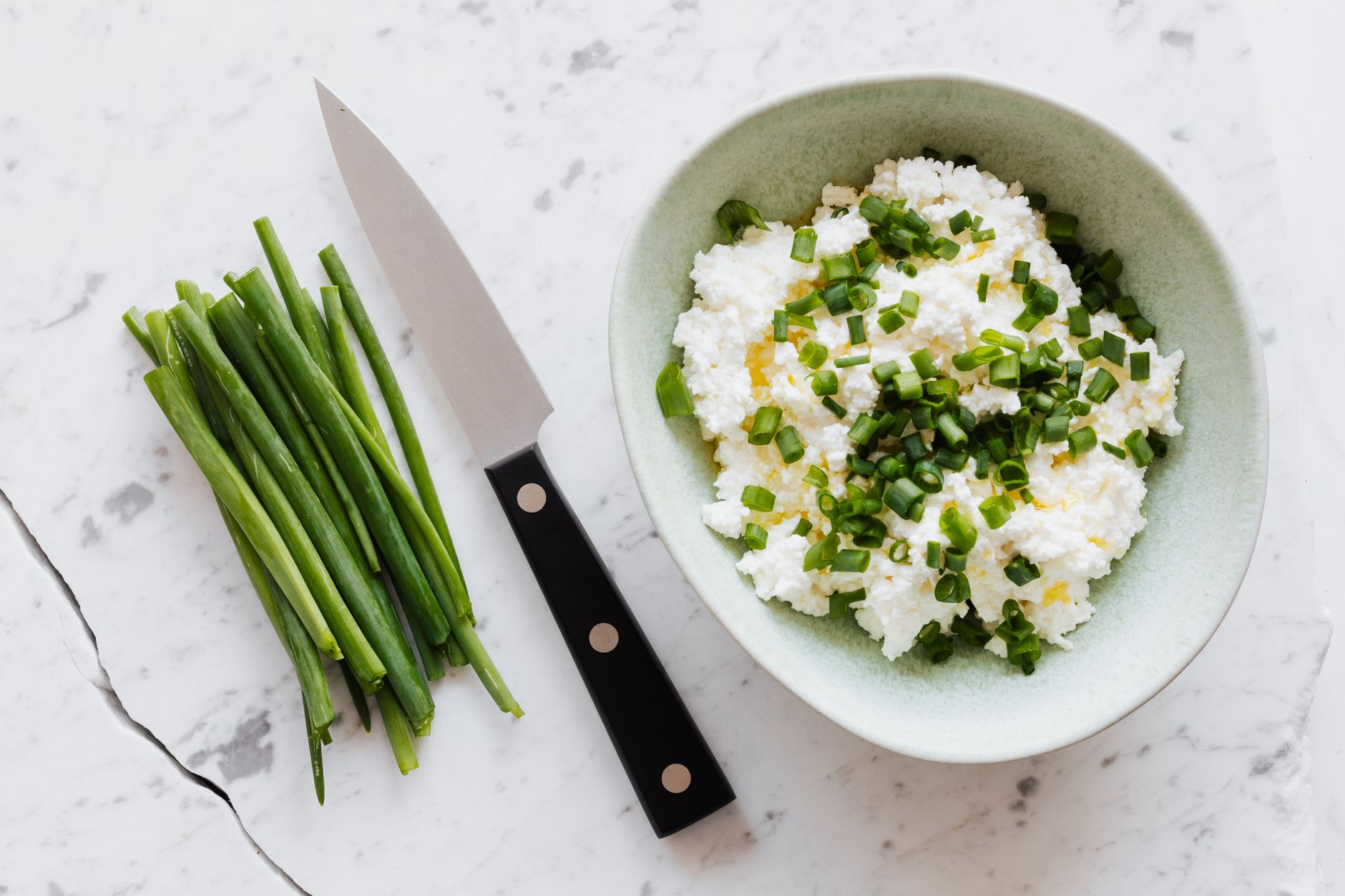
Cottage cheese holds a special place among dairy products: it’s not just a calcium source, it’s one of the most concentrated everyday sources of protein you’ll find in a grocery aisle. Still, finding a truly good tub isn’t always straightforward — products sold under the same name can vary enormously in quality.
Why cottage cheese is good for you
The main draw of cottage cheese is its protein content, typically around 16-18 g per 100 g. Most of that is casein, a “slow” milk protein that digests gradually and helps keep you full for longer. That’s part of why cottage cheese is often recommended for breakfast or as a late-evening snack.
It’s also a solid source of calcium and phosphorus, both essential for bone and dental health, and the calcium in dairy is generally well absorbed by the body. Cottage cheese contains B vitamins, including B12, which is found almost exclusively in animal-derived foods, along with small amounts of vitamin A and zinc.
Another advantage is versatility. Cottage cheese works in sweet dishes (pancakes, casseroles, desserts) and savory ones (herb-flecked dips, fillings, sauces), and the range of available fat percentages means there’s a version that fits almost any kind of diet, from calorie-conscious to indulgent.
What to look for when choosing
The first thing worth checking is the ingredient list. A quality cottage cheese has a short one: milk, starter culture, sometimes calcium chloride or rennet. If you see vegetable fats, starch, or a long list of stabilizers, you’re likely looking at a “cheese product” rather than real cottage cheese — legally distinct in many countries, and usually a step down in both taste and nutrition.
The second thing to check is shelf life. Genuine cottage cheese without preservatives doesn’t keep long, typically 5-7 days refrigerated. A product with a shelf life of several weeks or months has almost certainly been preserved or processed more heavily, which tends to come at the cost of flavor and some nutritional value.
Fat content is also worth considering — it ranges from fat-free (0%) to 18% or more. Higher-fat cottage cheese usually has a richer texture and flavor, while lower-fat versions are a leaner option with nearly the same amount of protein. The right choice depends more on personal goals than on any universal rule.
Judging cottage cheese by look and feel
Good cottage cheese should be crumbly or moderately firm depending on its fat content, without a sharp sour smell and without a large pool of separated whey sitting on top. The color should be even, ranging from white to a light cream, without yellowing or a grayish tinge that can signal the product isn’t fresh.
If you can taste it before buying — at a farmers market, for instance — look for a clean, mildly tangy flavor with no bitterness or off notes. Excess sourness or a bitter aftertaste often means the product has been sitting longer than it should have.
Storing and using it well
At home, cottage cheese keeps best in its original container or a tightly sealed glass jar in the fridge, and it’s worth eating within a few days of purchase. Freezing is possible, but the texture turns grainier after thawing, so frozen cottage cheese is better suited to baking and casseroles than to eating on its own.
When choosing between packaged supermarket cottage cheese and cottage cheese sold loose by weight, the packaging format matters less than the producer’s reputation and how the product has been stored. Either way, a sensible approach is to read the label, check the expiration date, and, when possible, try a few different brands to find the one whose taste and texture you actually like.
 Share via email