Articles
Mushrooms: Benefits and Selection
2025-09-04
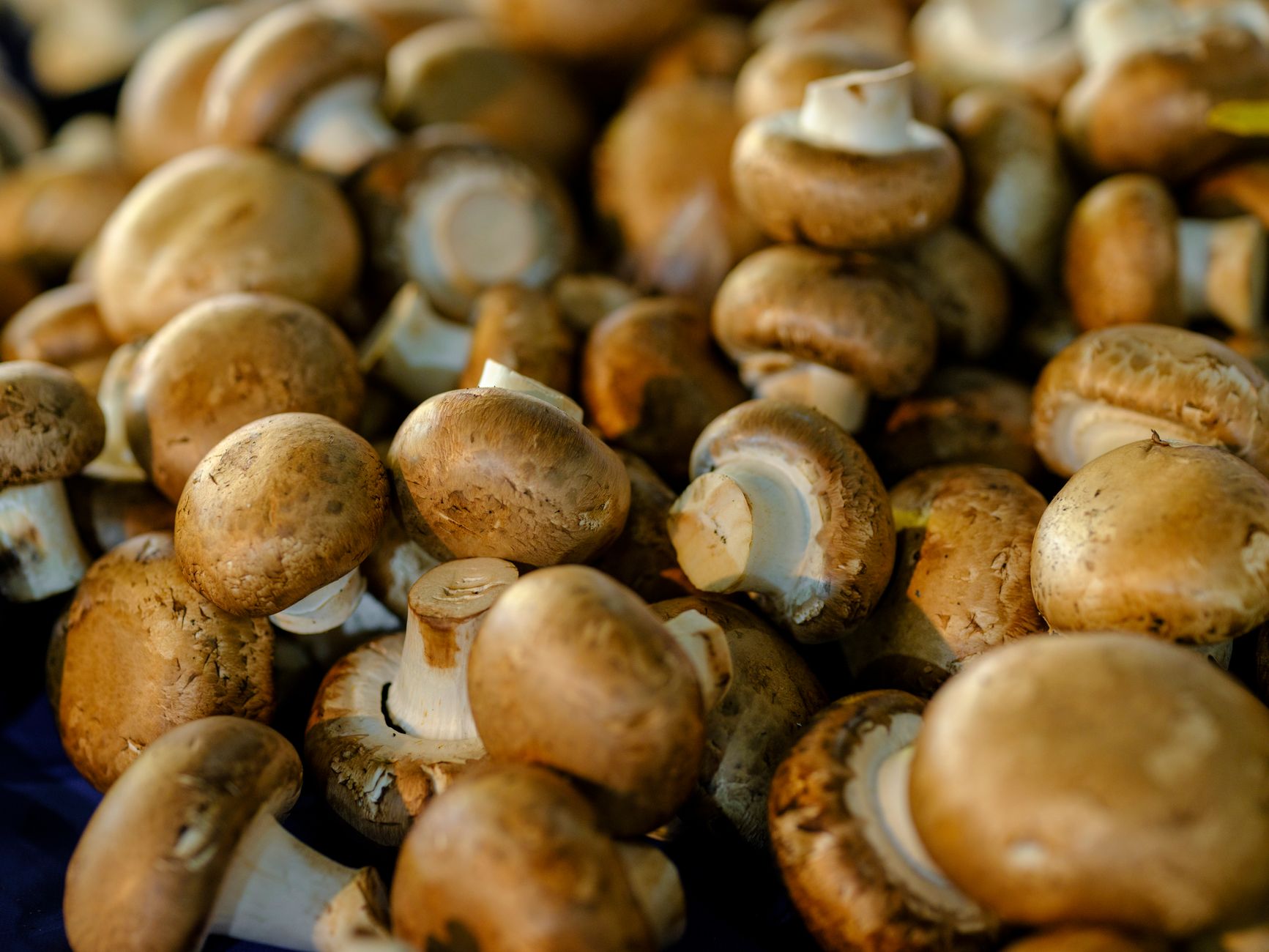
Mushrooms occupy a strange spot in the kitchen: technically neither plant nor animal, they belong to their own biological kingdom, yet they’re treated as a full-fledged vegetable ingredient — low in calories, rich in umami flavor, and surprisingly nutritious.
Why mushrooms are good for you
Most mushrooms are low-calorie, typically around 20-30 calories per 100 g, while still offering a decent amount of protein for a plant-based food, along with fiber and a range of micronutrients. They contain B vitamins, notably riboflavin and niacin, plus some vitamin D, especially in mushrooms grown or treated with UV light exposure.
Among minerals, mushrooms are a good source of potassium, important for heart and muscle function, and selenium, an antioxidant that’s genuinely hard to get from many other everyday foods. They also contain beta-glucans, a type of soluble fiber associated with supporting immune function.
Another valuable trait is the umami flavor mushrooms bring to a dish. Thanks to glutamic acid and related compounds, mushrooms can make a meal taste richer and more savory without extra salt or fat, which is why they’re so often used as a partial meat substitute in vegetarian cooking.
Which varieties are easiest to cook at home
The most accessible, all-purpose mushrooms for home cooking are button mushrooms (cremini or white): they’re sold nearly everywhere year-round, have a mild flavor, and work well in everything from soups to sauces. Oyster mushrooms are a bit more aromatic and just as easy to cook with, often used for sauteing and roasting.
More assertively flavored mushrooms — porcini, chanterelles, and other wild varieties — tend to be seasonal and need a little more attention (chanterelles, for instance, can taste bitter if undercooked), but they deliver a much deeper mushroom flavor. For soups and stews, combining button mushrooms with a small amount of dried wild mushrooms is a good way to add depth without blowing the budget.
How to pick good-quality mushrooms
When choosing fresh mushrooms, look for a few key signs. The cap should be firm, without spots, sliminess, or dark patches, and the mushroom itself should feel dry to the touch, without noticeable moisture or an ammonia smell, which signals spoilage. On button mushrooms, the gills under the cap should be pale or pinkish in younger mushrooms — significant darkening means the mushroom is past its best.
For wild mushrooms, it’s essential to trust the source: foraging your own is only safe with solid identification skills, since some poisonous mushrooms closely resemble edible ones. The safer route is buying wild mushrooms from a reputable vendor or store where quality is checked.
Storing and cooking mushrooms
Fresh mushrooms keep best in the refrigerator in a paper bag or a loosely closed container — sealed plastic traps condensation and speeds up spoilage. It’s best to use them within a few days of buying, since mushrooms lose texture and flavor fairly quickly.
When prepping mushrooms, avoid soaking them under running water for long; a quick rinse or a wipe with a damp cloth is usually enough, since mushrooms act like a sponge and absorb excess moisture, which makes them steam rather than brown in the pan. For the best flavor, saute mushrooms over medium-high heat without crowding the pan, so they actually sear instead of stewing in their own released liquid.
The bottom line
Mushrooms are an accessible, low-calorie, nutrient-dense food worth including in your diet regularly for their protein, fiber, B vitamins, and selenium. Button mushrooms or oyster mushrooms are perfectly good for everyday cooking, while seasonal wild mushrooms from a trustworthy source are worth seeking out for a special occasion — the flavor difference is real.
 Share via email