Articles
Walnuts: Benefits and Daily Norm
2025-09-05
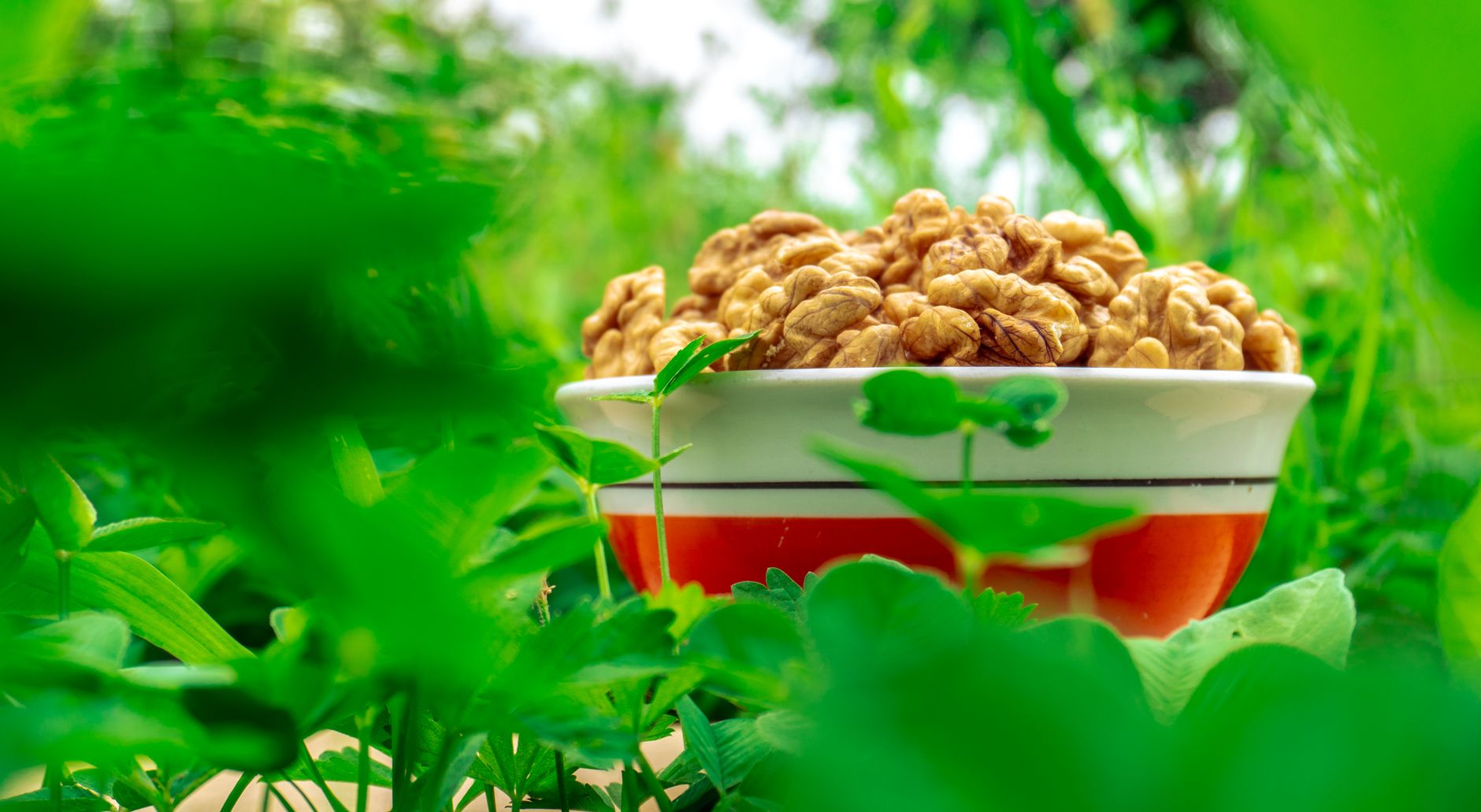
Walnuts are one of the most recognizable nuts by shape alone, and nutritionally they’re considered among the most valuable, largely thanks to an unusually high content of plant-based omega-3 fat. At the same time, they’re calorie-dense, which makes the question of “how many is too many” genuinely worth asking.
Why walnuts are good for you
The standout feature of walnuts is their high content of alpha-linolenic acid, the plant form of omega-3 fatty acids. Among common nuts, walnuts lead by a clear margin on this front, making them a convenient omega-3 source for anyone who doesn’t eat fish regularly.
Beyond healthy fats, walnuts provide plant protein, fiber, and minerals such as magnesium, copper, and manganese — all of which tend to run short in a typical diet. They also contain vitamin E, an antioxidant that helps protect cells from damage, along with modest amounts of B vitamins.
Walnuts additionally contain polyphenols, plant compounds with antioxidant properties, concentrated mostly in the thin brown skin covering the nut. That’s actually a good reason not to bother peeling that skin off completely if it tastes slightly bitter — a meaningful share of the beneficial compounds live right there.
How many walnuts you can eat per day
Walnuts are calorie-dense, running around 650-700 calories per 100 g, so even a small handful adds up quickly. A typical serving size is about 25-30 g, or roughly 5-7 walnut halves — around 170-200 calories, a reasonable amount to include daily as part of a balanced diet.
Going over that occasionally isn’t a problem, but regularly overeating walnuts, like any calorie-dense food, can contribute to weight gain if their calories aren’t factored into the overall diet. If walnuts become a go-to snack, it’s worth trimming portions of other calorie-dense foods elsewhere in the day to balance things out.
How to choose good-quality walnuts
When buying walnuts still in the shell, give them a gentle shake — a rattling sound or an unusually light feel can mean the kernel inside has dried out or gone bad. The shell itself should be intact, with no cracks or mold.
For shelled walnut halves, color and smell are the best indicators: fresh walnuts have a pale, creamy-colored kernel and a pleasant nutty aroma with no bitterness or rancid edge. Rancidity means the fats inside have started to oxidize, and that batch is best skipped — the flavor will only get worse from there, and much of the nutritional benefit is lost along with it.
Storing walnuts properly
Because of their high fat content, walnuts turn rancid fairly quickly if stored carelessly, especially in warmth or direct light. Shelled walnuts keep best in the refrigerator in an airtight container, where they stay fresh for several months, compared to a much shorter shelf life at room temperature. Walnuts still in the shell last longer thanks to their natural protection, but they still do best away from direct sunlight or heat sources.
Working walnuts into your diet
The simplest way to eat walnuts is on their own as a snack, measuring out a portion in advance so it’s easy to stick to rather than absentmindedly eating more. They also work well folded into other foods: a handful of chopped walnuts stirred into morning oatmeal or yogurt adds texture and healthy fat without turning into a whole separate snack.
Walnuts are a traditional addition to baked goods and salads as well — paired with leafy greens, cheese, and pear or apple, they add a nice contrast to the rest of the ingredients. It’s worth remembering that walnuts added to a salad or bowl of oatmeal still contribute to the dish’s overall calorie count, so it makes sense to keep the same portion size in mind as you would when eating them on their own.
The bottom line
Walnuts are a valuable source of plant-based omega-3 fats, magnesium, and antioxidants, but their high calorie density means moderation matters: about 25-30 g, roughly a small handful, a day is plenty to get the benefits without overloading your overall calorie intake.
 Share via email