Articles
Autumn Produce: What to Buy
2025-09-08
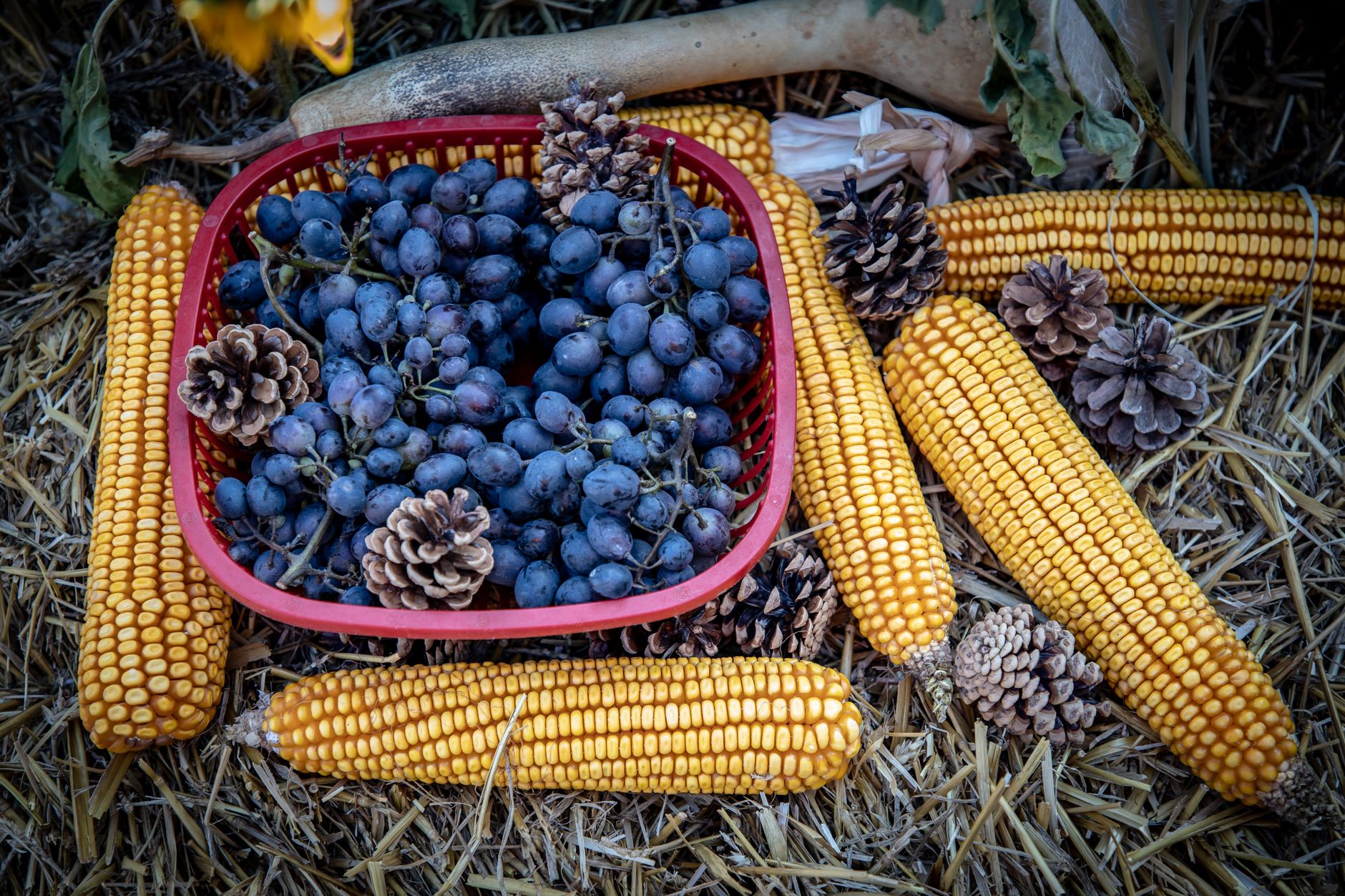
Once autumn arrives, market stalls change almost completely: summer tomatoes and berries give way to squash, root vegetables, late apples, and various kinds of cabbage. Seasonal produce tends to be cheaper, fresher, and better-tasting — it hasn’t traveled far or been picked underripe — so fall is a good time to rethink what goes into the shopping basket.
Beyond flavor, autumn produce has another advantage: much of it keeps well through the winter months without any special processing, given the right storage conditions. That turns a fall shopping trip into more than a one-time treat — it can become a stockpile that lasts for months.
Squash and pumpkins
Pumpkin is the classic symbol of the autumn table, and for good reason: it stores well, works in countless dishes, and is rich in beta-carotene, the pigment behind its bright orange color. Alongside classic pumpkin, the season brings the last of the zucchini, pattypan squash, and various winter squash varieties. When choosing one, look for a hard rind with no soft spots and a fruit that feels heavy for its size, which usually signals dense, well-hydrated flesh.
Root vegetables: carrots, beets, turnips
Fall is prime time for root vegetables. Carrots and beets dug up in September and October are typically sweeter and firmer than those grown out of season under cover. Turnips, radishes, and celeriac also hit their seasonal peak in autumn. Good root vegetables should feel firm with no cracks or soft, rotten spots, and any attached greens should look fresh and crisp rather than wilted.
Late apples and pears
Autumn apple and pear varieties are often considered some of the best-tasting of the year, since a long growing season lets them build up maximum sugar and aroma. These varieties usually keep well and work equally well eaten fresh or baked into desserts. Look for firm fruit with no bruising — a bit of surface roughness on certain varieties is normal and not a sign of poor quality.
Cabbage and other crucifers
Green and red cabbage, broccoli, and cauliflower reach their sweetest and crunchiest in the cool weather of autumn. Cruciferous vegetables generally handle the season’s first light frosts well, which can even improve their flavor slightly. Choose a cabbage head that feels dense and heavy for its size, without limp or discolored outer leaves.
Late-season mushrooms
Autumn is the traditional mushroom season, and markets carry a wider variety of both wild and cultivated mushrooms at this time — porcini, chanterelles, honey mushrooms, button mushrooms, oyster mushrooms. Fresh mushrooms should feel firm and dry rather than slimy, without a sharp ammonia smell, and their caps shouldn’t be shriveled or dark at the edges.
Fresh nuts and pumpkin seeds
Autumn is also nut season — walnuts, hazelnuts, and other varieties typically ripen in September and October. A freshly harvested nut tastes noticeably different from one that’s spent months in storage: it’s oilier and far less likely to taste bitter. Pumpkin seeds scooped out while carving up squash are worth keeping too — toasted in the oven, they make a great snack or salad topping instead of being tossed out.
How to pick the best at the market
The general rule for autumn produce is simple: choose items that feel heavier than they look, and avoid anything with soft spots, cracks, or visible wilting. Many autumn vegetables and root crops keep well for weeks in a cool, dark spot, so it’s worth buying a bit extra while they’re in season. Seasonal pricing also tends to run lower than the rest of the year — one more good reason to build the fall menu around whatever is actually in season right now.
 Share via email