Articles
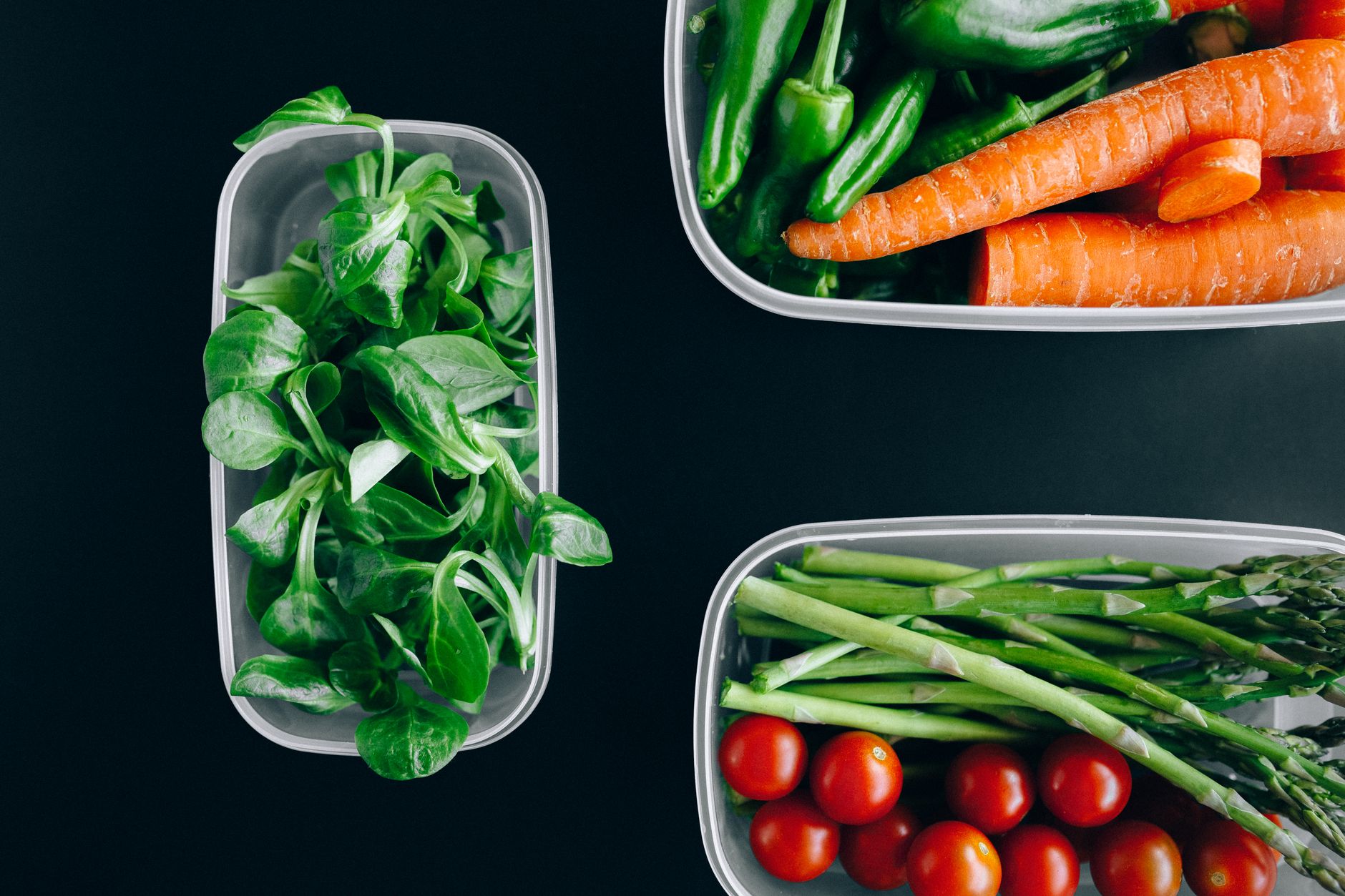
Late summer and early autumn are the best time to stock up for winter, and freezing remains one of the simplest, most reliable ways to preserve seasonal vegetables and herbs. Unlike canning, it doesn’t call for special skills or equipment, and it holds onto flavor and nutrients noticeably better than trying to keep produce fresh for months.
It also skips the salt, vinegar, and sugar that canning typically requires, which makes freezing an appealing option for anyone who wants to preserve vegetables in as close to their natural state as possible.
Why freezing works so well
Freezing stops or drastically slows down the processes that cause vegetables to spoil — microbial growth, enzymatic reactions, moisture loss. That’s why properly frozen vegetables and herbs picked at peak season often end up tasting better and being more nutritious in winter than out-of-season “fresh” versions shipped in from far away.
Blanching: why and when
Most vegetables benefit from blanching before freezing — a brief dip in boiling water for 1-3 minutes, followed immediately by an ice-water bath to stop the cooking. This halts the enzymes that would otherwise keep breaking down texture, color, and flavor even inside the freezer. Broccoli, cauliflower, green beans, peas, corn, and carrots are typically blanched this way. Herbs, berries, and a few vegetables like bell peppers are usually frozen without blanching, since it preserves their structure better.
Freezing herbs
Herbs like dill, parsley, basil, and cilantro can be frozen a few different ways. The simplest: wash thoroughly, pat dry, chop finely, and portion into small bags or containers. Another handy method is packing chopped herbs into ice cube trays, topping each cube with a bit of water or oil, and freezing — this gives you ready-made portions for soups and sauces. Basil in particular does well frozen in oil, since it tends to darken quickly when exposed to air.
Freezing in small portions
One of the most useful tricks is freezing vegetables and herbs in small portions rather than one solid block. To do this, spread the food in a single layer on a tray and freeze for a few hours before transferring it into storage bags. This method — sometimes called flash-freezing — keeps pieces from clumping together, so in winter you can pull out exactly as much as a given recipe needs.
Packaging and storage
It’s worth using bags or containers specifically meant for the freezer, and pressing out as much excess air as possible — this lowers the risk of freezer burn and ice buildup. Labeling each package with the freezing date is a good habit too: most vegetables and herbs hold their quality for about 8-12 months, and a date makes it easy to know what to use up first.
Using frozen vegetables
Frozen vegetables generally don’t need thawing before cooking — they can go straight into a soup, stew, or hot pan, skipping the thawing stage where vegetables often lose texture and turn mushy. The exception is anything where the crisp texture of raw vegetables really matters; frozen produce works better in soups, stews, smoothies, or baking than it does in a fresh salad.
Common mistakes to avoid
One of the most common mistakes is freezing overly large portions in a single bag, which then forces a full thaw even when only a small amount is needed. Another frequent issue is packaging that isn’t sealed tightly enough, letting ice crystals and freezer burn form and dulling flavor and texture once thawed. Both problems are easy to avoid by portioning food into single-meal amounts from the start and pressing out as much air as possible before the bag goes into the freezer.
 Share via email