Articles
How to Remove Bitterness from Eggplant
2025-09-14
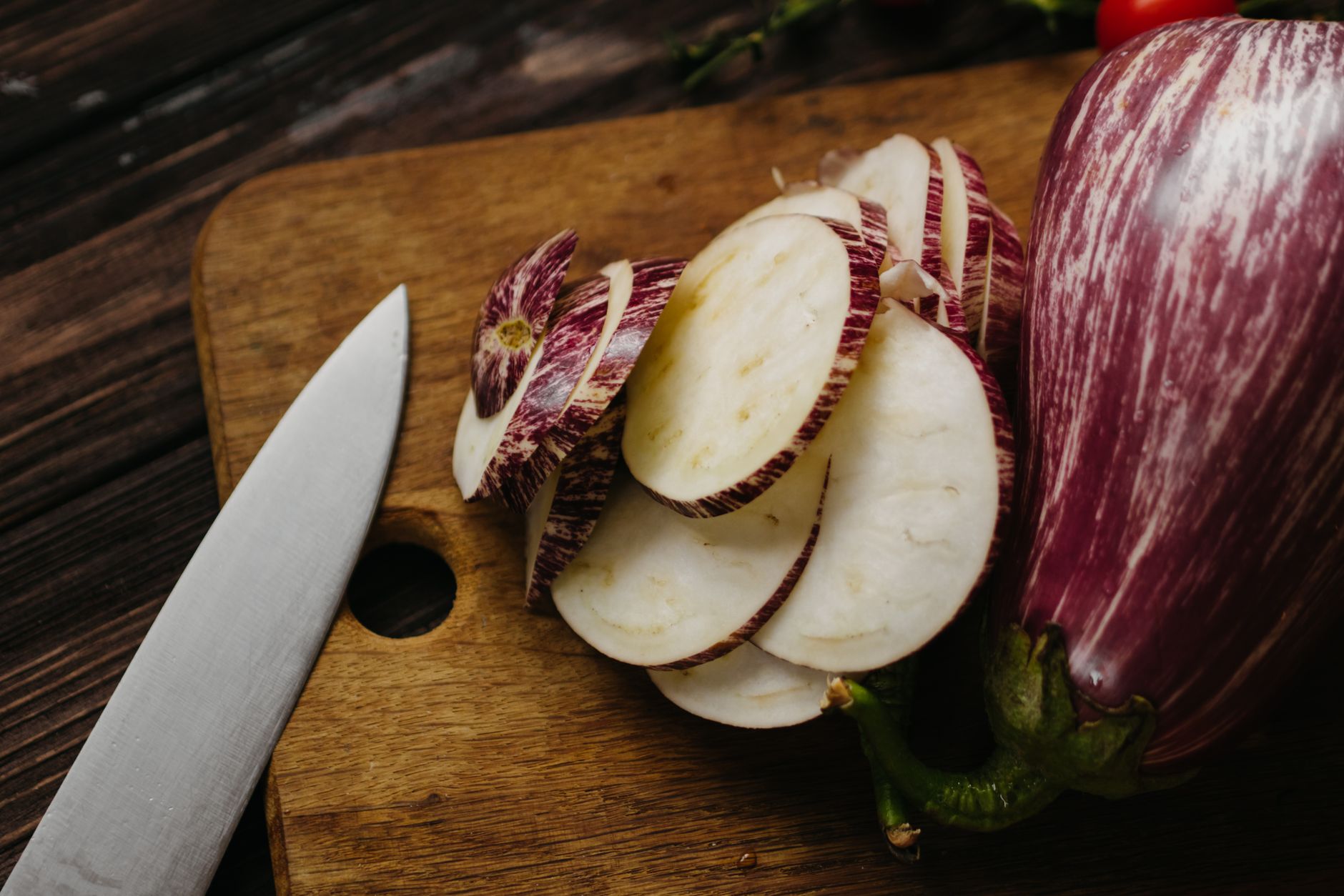
A bitter eggplant can throw off an otherwise well-planned dish, which is why many cooks salt every slice out of habit, “just in case.” In reality, bitterness isn’t random — it comes down to a few specific factors, and it’s easy to manage once you know what causes it.
Where the bitterness comes from
The bitter taste in eggplant comes from solanine and related compounds, along with certain phenolic substances that occur naturally in the skin and flesh. Their concentration rises as the fruit ages, so the older and larger an eggplant is, the more likely it is to taste bitter. Fruit that’s overripe or has been sitting in storage for a while tends to be more bitter as well.
Choosing an eggplant that won’t be bitter
The most reliable way to deal with bitterness is to prevent it in the first place by picking the right fruit. Young, small to medium eggplants with taut, glossy skin and no bruises or dark patches are far less likely to be bitter than large, overripe ones. Press the skin gently with a finger — a fresh eggplant should spring back quickly rather than stay dented. The seeds inside a young eggplant are pale and small; large, dark seeds are usually a sign of an overripe fruit and a higher chance of bitterness.
The classic method: salting
The best-known and most reliable fix is salting, sometimes called “de-gorging” the eggplant. Cut the eggplant into rounds or cubes, sprinkle it generously with coarse salt, and let it sit for 20-30 minutes. During that time, the salt draws out bitter liquid from the flesh — you’ll see beads of moisture form on the surface. Rinse the pieces under cold water afterward and pat them dry with a paper towel before cooking.
An important side effect of salting is that it also pulls moisture out of the flesh, which means the eggplant absorbs noticeably less oil when fried. That makes salting worthwhile even for eggplant that isn’t particularly bitter to begin with — the finished dish ends up with a firmer texture and less greasiness.
Soaking in salted water
An alternative to dry salting is soaking cut eggplant in cold, lightly salted water for 15-30 minutes. This method is a bit gentler than dry salt, but it still helps draw out some of the bitter compounds and keeps the flesh from browning in the meantime. Pieces still need to be patted dry after soaking, or they’ll absorb extra water and won’t brown as well when fried or roasted.
Should you peel it
Many of the bitter compounds are concentrated in the skin and the layer just beneath it. If you’re unsure about a particular eggplant, or the dish doesn’t depend on the skin’s texture, you can peel it partially or fully. Stripe-peeling — removing alternating strips of skin rather than all of it — cuts down on bitterness while keeping some texture and a nicer look for roasting or frying.
Cooking itself helps too
Long cooking methods like roasting, braising, or slow frying soften bitterness on their own, since some of the bitter compounds break down or evaporate at high heat. That’s why slow-cooked dishes like stews or eggplant spreads don’t always need salting first, especially if the eggplant used is fresh and on the smaller side.
The practical takeaway
The easiest way to avoid bitterness is to choose young, small eggplants with firm skin and cook them soon after buying. If you’re unsure about a particular fruit, or you’re making a dish that won’t simmer for long, it’s worth spending the extra 20-30 minutes on salting or soaking — a cheap bit of insurance that also improves the texture of the finished dish.
 Share via email