Articles
Apples: Varieties and Benefits
2025-09-24
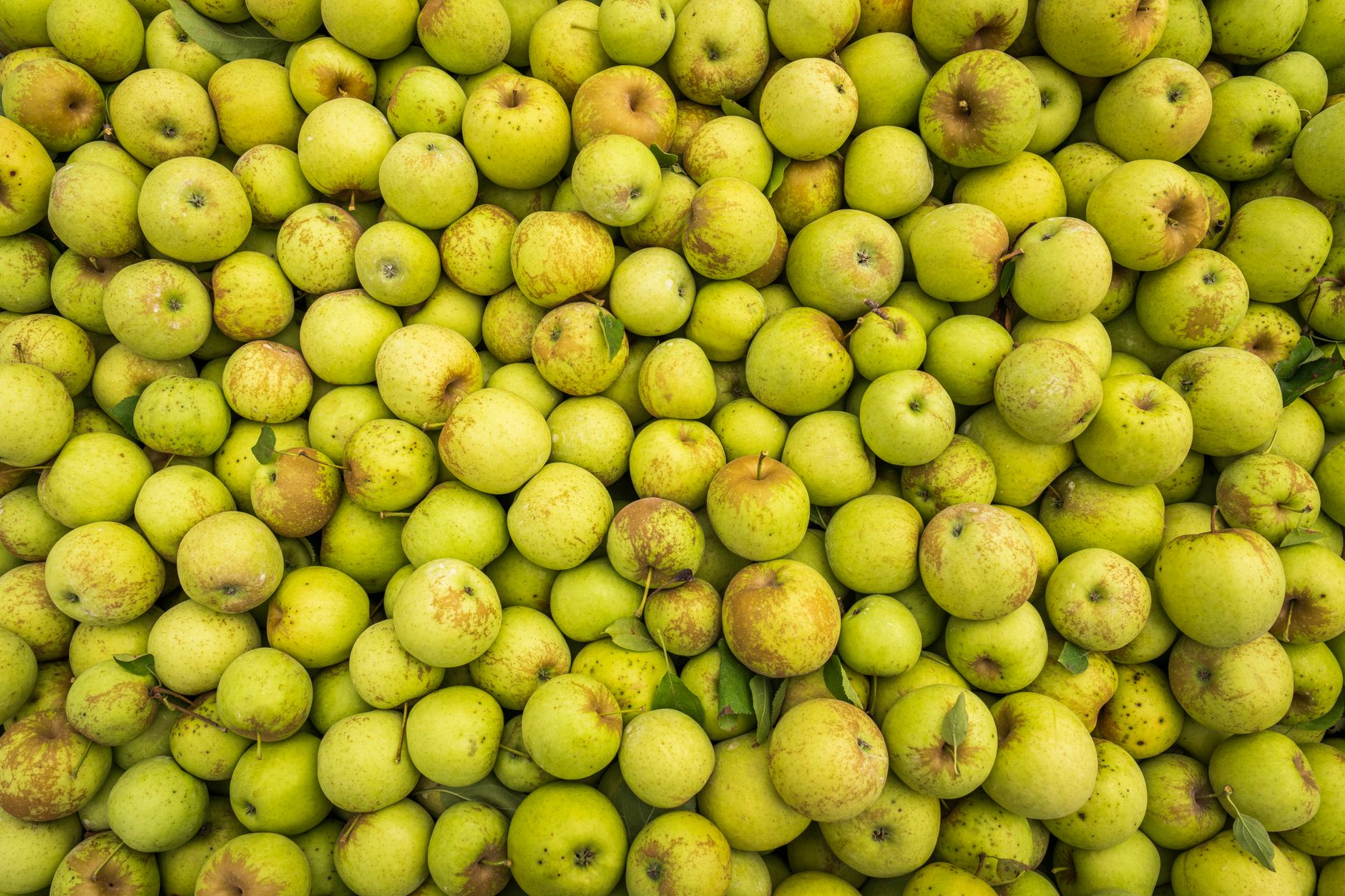
Apples are so common that it’s easy to overlook just how much variety hides behind that one word. Different varieties differ enormously in sweetness, texture, and what they’re best used for in the kitchen, and the fruit as a whole remains one of the most accessible sources of fiber and vitamins year-round.
Sweet varieties for snacking
Varieties like Gala, Fuji, and Golden Delicious are notably sweet with soft, juicy flesh. They’re great eaten fresh, tossed into a salad, or used in a light dessert, but they tend to break down and turn mushy when baked, which makes them a less reliable pick for pies.
Tart, firm varieties for baking
Granny Smith, Braeburn, and Jonagold hold their shape well under heat and bring a noticeable tartness that balances the sugar in a filling. These are the varieties most often recommended for apple pie, strudel, or crumble — they don’t collapse into applesauce and keep a bit of tang against the sweetness of the crust or dough.
All-purpose varieties
Some varieties, like Honeycrisp, sit somewhere in the middle: sweet enough to eat out of hand, yet firm enough to hold up in the oven. If you only have one type of apple on hand, an all-purpose variety like this is usually a safe bet whether you’re eating it fresh or baking with it.
Fiber and staying full
Apples are a solid source of fiber, especially if you eat them unpeeled — much of the pectin, a soluble fiber, is concentrated in the skin, and it helps you feel full longer while being gentle on digestion. A single medium apple can take the edge off hunger between meals while still being a relatively light snack.
Vitamins and antioxidants
Apples provide vitamin C along with various plant antioxidants, including flavonoids that are especially concentrated in the skin. Levels vary somewhat between varieties, but eating apples regularly is broadly associated with good health — it’s one of those foods that nutrition experts almost universally recommend keeping in the diet.
Low in calories
One clear advantage of apples is how few calories they carry relative to their size and sweetness: a medium apple typically has around 80-100 calories, which makes it a convenient snack for anyone watching their intake without giving up something sweet and satisfying to bite into.
Apples in savory dishes and sauces
Beyond desserts and baking, apples work well in savory cooking too — they’re a classic pairing with rich meats like pork or duck, where the fruit’s tartness cuts through the richness. For sauces and applesauce, almost any variety works, including the softer ones that fall apart when baked — here, flesh that breaks down quickly is exactly what you want rather than a drawback.
Fresh, dried, and baked apples
How an apple is prepared changes both its flavor and, to some extent, its nutritional profile. Drying concentrates the sugars, so the calorie count per gram climbs noticeably, which means dried apples aren’t quite the light snack they might seem and are best eaten in modest portions. Baked apples, by contrast, stay fairly light — much of the fiber and vitamin content is retained, and the flesh turns soft and naturally sweeter without needing added sugar, making it a convenient dessert for anyone cutting back on sweets.
Seasonality and local varieties
Even though apples are sold year-round, most varieties have a distinct harvest season in late summer and fall, when the fruit is at its most fragrant and juicy straight off the tree. Apples bought in season from local growers often taste noticeably better than out-of-season fruit that may have spent months in cold storage before reaching the shelf. It’s also worth seeking out lesser-known local varieties — they don’t always make it into big supermarket chains, but they can be a pleasant surprise, often with more complex flavor than the familiar Gala or Fuji.
Choosing and storing apples
When picking apples, look for a firm feel and avoid any with bruises or soft spots, which signal the fruit is starting to spoil. Apples keep noticeably better in the refrigerator — at room temperature they ripen and soften much faster, losing crispness and juiciness within just a few days. If you’ve got a batch where a few are softer than the rest, use those first in a sauce or a baking filling and save the firmest ones for longer storage.
Next time you’re at the store, it’s worth looking past the price tag to the variety itself — snacking, baking, and sauce-making all call for slightly different apples, and knowing the difference makes it easier to get the most flavor out of every one you buy.
 Share via email