Articles
How to Properly Store Bread
2025-10-15
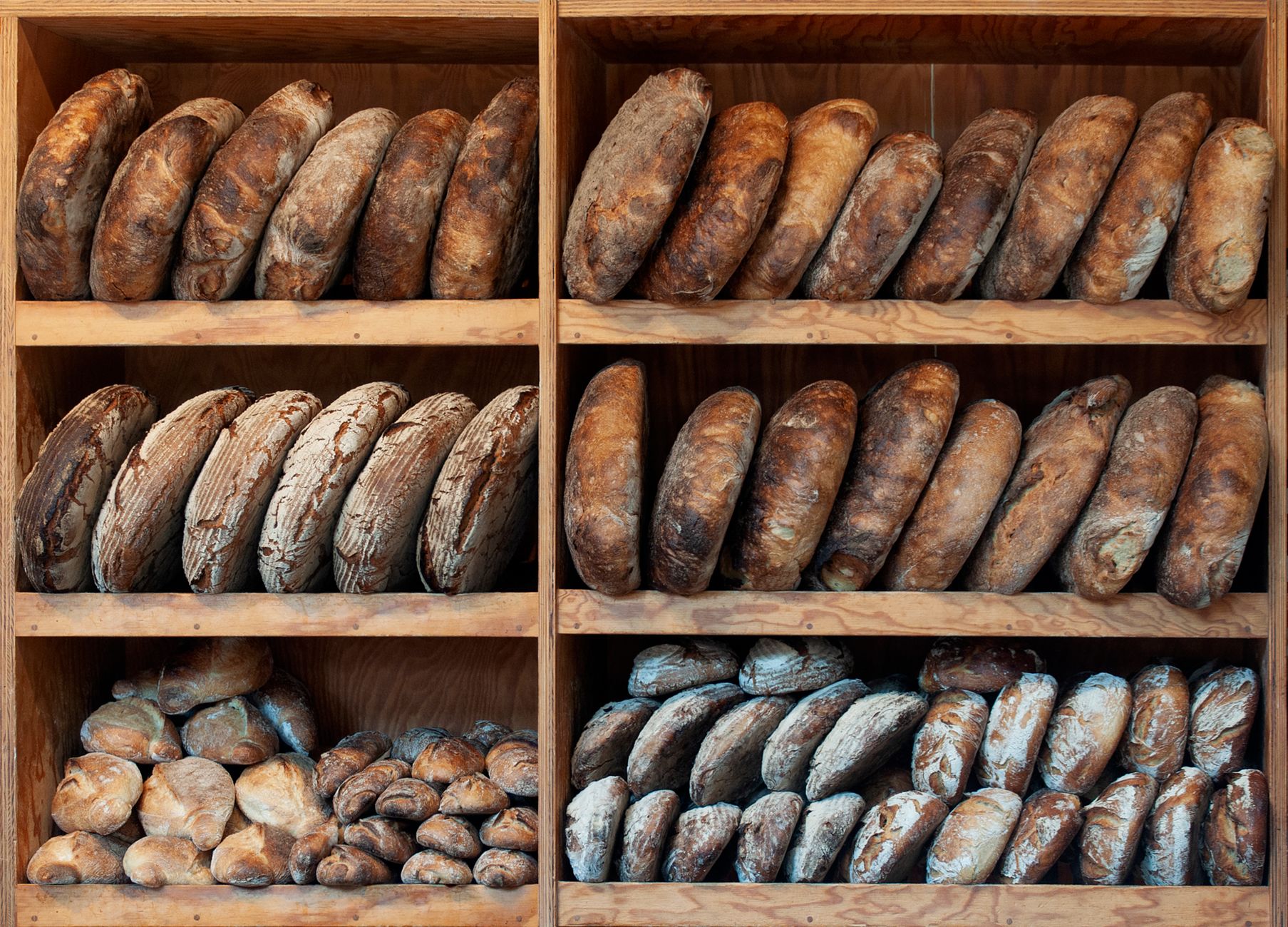
Bread is one of those foods where instinct tends to lead people astray. Plenty of people stash a loaf in the fridge on the assumption that cold equals safe, then wonder why it’s turned rock-hard by the next day. Understanding what actually happens to bread in storage isn’t complicated, and it makes a real difference in how long it stays enjoyable.
Why bread goes stale
Staling isn’t simple drying-out — it’s a process called starch retrogradation. The starch molecules that swelled during baking gradually rearrange themselves over time and release moisture from inside the crumb, which is what makes the texture turn dense and crumbly. This process happens fastest at temperatures just above freezing, which is exactly the range of a typical refrigerator. That’s why bread stored in the fridge goes stale far faster than bread left out at room temperature.
Room temperature is best for the next few days
If you plan to finish a loaf within two to four days, the best place for it is a bread box or a paper or cloth wrap at room temperature, not the fridge. A bread box with some ventilation is a good compromise: it protects the loaf from drying out without trapping so much moisture that mold can take hold on soft bread. Artisan loaves with a thick crust are best stored crust-side out in a paper or linen bag — paper lets a little air through, which keeps the crust crisp much longer than plastic would.
Soft sliced sandwich bread, on the other hand, actually does fine in a sealed plastic bag — it has no crust to protect, and the airtight wrap keeps it from drying out.
Why the fridge is a poor choice
Beyond speeding up starch retrogradation, the fridge has another downside: bread readily absorbs odors from other foods stored nearby. The one case where refrigeration genuinely makes sense is a humid climate with a real risk of mold and no realistic chance of finishing the loaf quickly — in that situation, a slight loss of texture is the lesser evil compared to spoiled bread.
Freezing for long-term storage
If you won’t get through a loaf within a few days, freezing is the right call, not the fridge. Unlike refrigeration, freezing essentially halts starch retrogradation, because the water in the crumb turns solid before the starch molecules have a chance to rearrange. It helps to slice the loaf before freezing, so you can pull out one or two pieces at a time instead of thawing the whole thing, and to wrap it tightly, pressing out as much air as possible to avoid freezer burn.
Frozen bread holds up well for roughly one to three months. The best way to thaw slices is straight from the freezer into a toaster or oven — that restores the crust and texture far better than slow thawing at room temperature, which tends to leave the crumb damp from condensation.
Reviving bread that’s already gone stale
Bread that’s already stale can be partly brought back to life. For a whole loaf or a large piece, lightly mist it with water and pop it into a hot oven for a few minutes — the heat temporarily loosens the crystallized starch structure, and the crust turns crisp again. The effect is temporary, though: the bread will stale again within a few hours, so it’s best to eat a revived loaf the same day.
What’s worth remembering
Different types of bread behave differently: whole wheat bread, thanks to its fiber content and slightly higher moisture dough, generally stales a bit more slowly than white bread, and sourdough resists mold longer than yeasted bread because of its more acidic dough. But the general rule holds across the board — room temperature for the next few days, the freezer for the long haul, and the fridge only as a last resort.
 Share via email