Articles
Pumpkin: Benefits and Selection
2025-10-22
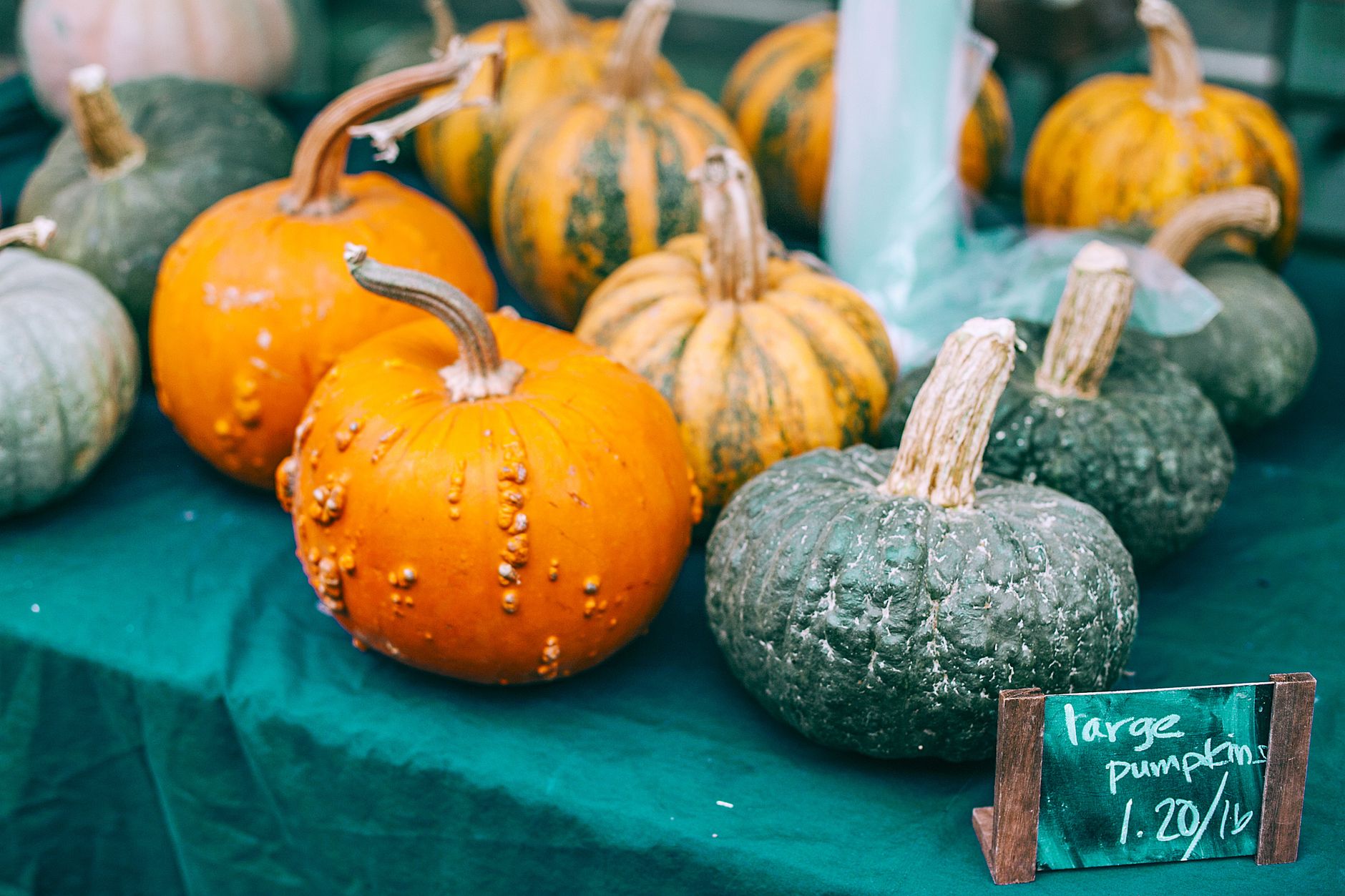
Fall is pumpkin season, and it’s one of the most rewarding vegetables of the cold months: it keeps for a long time without refrigeration, costs little, and works in everything from soup to porridge to pie. At the same time, it’s easy to get lost among a dozen varieties of different shapes and colors, and picking the wrong one can leave you with dry, watery flesh instead of something sweet and fragrant.
Why pumpkin is good for you
Pumpkin is one of the most accessible sources of beta-carotene, the plant pigment the body converts into vitamin A. Beta-carotene is what gives the flesh its deep orange color — generally, the more vivid the color, the higher the content. Vitamin A supports eye health, skin condition, and immune function.
Beyond that, pumpkin is a decent source of fiber while being low in calories — raw flesh runs around 25-30 calories per 100 g, which makes it an easy choice for anyone watching their weight. It also contains potassium, vitamin C, and small amounts of B vitamins. Pumpkin seeds, often thrown away along with the pulp, are worth saving separately — toasted in the oven, they make a satisfying snack packed with plant protein and healthy fats.
The main varieties
A handful of pumpkin types dominate the produce aisle, each with its own flavor and texture. Butternut squash, with its elongated shape and sweet, nutty flavor, is excellent roasted or blended into soups. Round culinary pumpkins with dense orange flesh are versatile and work well in both porridge and baking. The decorative varieties sold closer to Halloween are usually bred for shape and color rather than taste — their flesh tends to be more watery and stringy, and they’re not the best choice for cooking.
How to pick a ripe pumpkin
Start by judging the weight: a good pumpkin should feel heavy for its size, which signals dense, moist flesh rather than hollow spots inside. The skin on a ripe pumpkin should be hard and matte, without a glossy shine and without soft spots or dents when pressed with a finger.
Check the stem: on a ripe pumpkin it’s dried out, woody, and firmly attached. If the stem is missing entirely, the cut area tends to spoil faster, so that pumpkin is best used soon rather than stored long-term. Knock on the skin with your knuckles — a dull, slightly hollow sound suggests the pumpkin is mature and has enough room inside for its seeds, while a sharper, ringing sound can mean it’s underripe.
How to store it
A whole pumpkin with intact skin and stem keeps for months in a cool, dark place like a pantry or cellar — sometimes up to half a year, depending on the variety. A cut pumpkin, on the other hand, behaves like any other fresh vegetable: wrapped tightly and refrigerated, it only lasts a few days, so it’s worth deciding what you’ll cook before cutting more than you need at once.
What to do with the flesh
Fresh pumpkin flesh can be roasted in large chunks, pureed into soups, braised with onion and spices, or used as a filling for baked goods. Roasted pumpkin mashed into a puree also freezes well in portions, ready to go into pancakes, porridge, or even smoothies later — a good way to stretch the fall harvest through the winter.
 Share via email