Articles
How to Boil Eggs Perfectly
2025-11-10
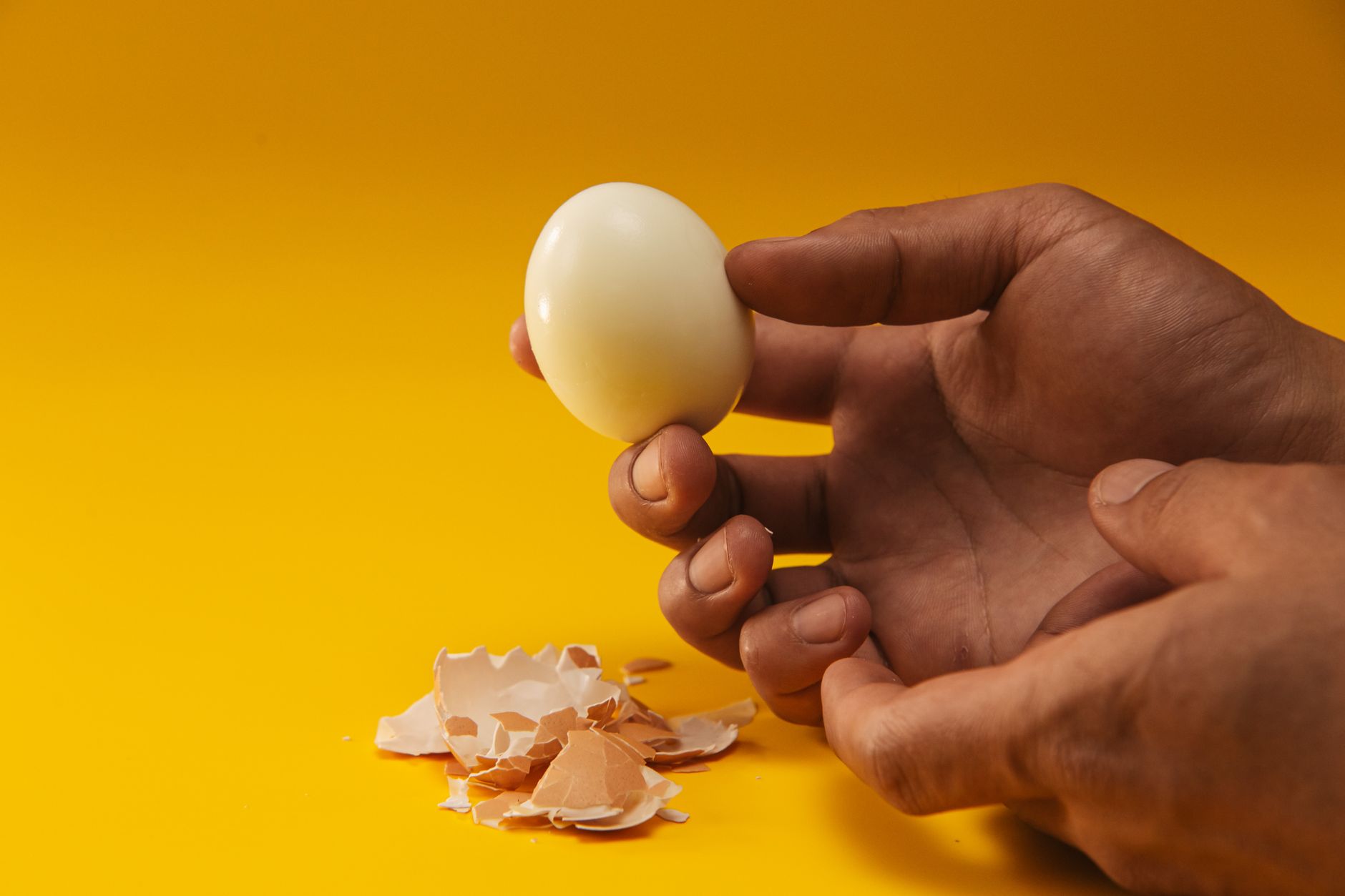
Boiling an egg sounds like the simplest thing in the kitchen, yet it causes a surprising amount of small frustration: a yolk that turns out grayish, a white that never sets evenly, or a shell that tears off in chunks along with the egg white. In practice, the outcome comes down almost entirely to two things — precise timing and how you cool the egg afterward.
Starting in cold water versus boiling water
There are two common ways to start: place the eggs in cold water and bring everything to a boil together, or lower them gently into water that’s already boiling. The second method gives more predictable results, since the clock starts immediately and consistently, whereas starting from cold water means the time to reach a boil varies with the number of eggs and the size of the pot. To keep the shells from cracking on contact with hot water, let the eggs sit out of the fridge for a few minutes beforehand, and lower them in with a spoon rather than dropping them.
Timing for a soft-boiled egg
For a soft-boiled egg, where the white has set but the yolk stays runny, 3-4 minutes in already-boiling water is usually enough. Closer to 3 minutes gives a looser yolk; closer to 4 minutes, the white firms up a bit more and the yolk thickens slightly while still being liquid.
Timing for a jammy egg
A jammy egg sits in between: the white is fully set, and the yolk is soft and slightly sticky but no longer runs. That texture usually takes 5-6 minutes of boiling. It’s a good format for salads and toast, since the yolk holds its shape but still looks appealingly soft when the egg is cut open.
Timing for a hard-boiled egg
For a fully hard-boiled egg, with both the white and yolk firm all the way through, about 9-10 minutes of boiling is typically enough. It’s best not to go past 10-12 minutes, since the yolk starts to turn dry and crumbly, and a grayish-green ring often forms around it — a reaction between sulfur in the white and iron in the yolk from too much heat, and a sign the egg has been overcooked.
How to avoid the gray ring around the yolk
That ring mostly comes from cooking the egg too long and then letting it cool too slowly afterward. To keep the yolk bright yellow, stick to the recommended time and transfer the eggs straight into cold water, or run them under cold water, the moment the timer goes off. The sudden cooling stops the cooking process and makes peeling easier at the same time.
Why cooling eggs right away matters
An ice bath isn’t just about being able to handle the eggs sooner. It halts the residual heat that would otherwise keep cooking the yolk from the inside even after the egg is out of the pot. A couple of minutes in cold water is usually enough to bring the temperature down and lock in the texture at exactly the stage you were aiming for.
How to peel a boiled egg easily
Very fresh eggs tend to be harder to peel, since their whites have a lower pH and cling more tightly to the shell membrane. Eggs that have sat in the fridge for a week to ten days usually peel much more easily. It also helps to tap the egg gently all over on a hard surface before peeling, so the shell cracks in many small places, and to peel it under running cold water, which gets between the membrane and the white and loosens the shell.
A quick reference
To sum it up: 3-4 minutes for a soft-boiled egg with a runny yolk, 5-6 minutes for a jammy yolk that holds its shape, and 9-10 minutes for a fully hard-boiled egg. In every case, start with already-boiling water and cool the eggs right away afterward — that’s really all it takes to get a consistent, predictable result every time.
 Share via email