Articles
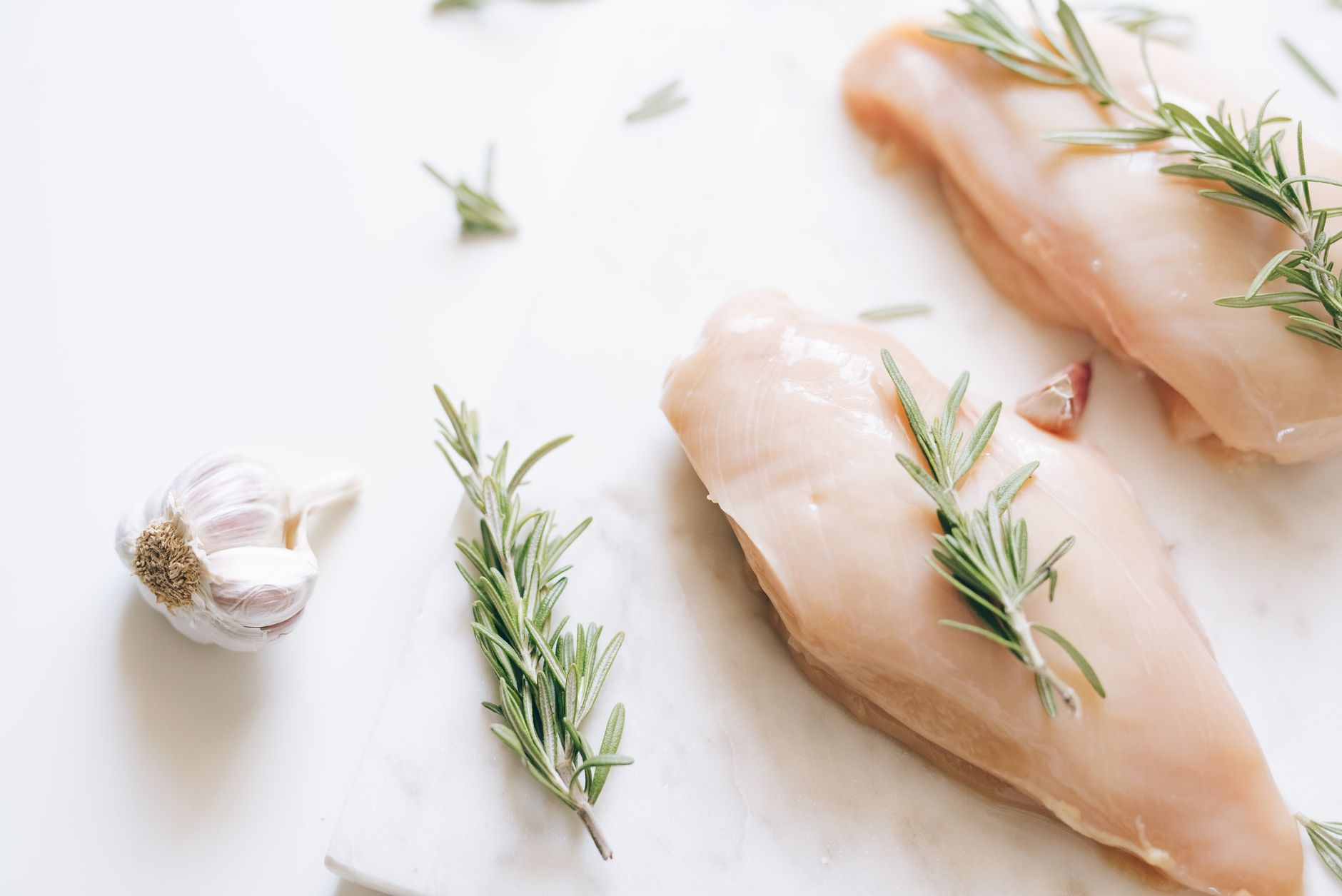
Chicken breast has a split reputation. On one hand, it’s one of the cheapest, most accessible sources of protein around. On the other, it’s shorthand for bland “diet food” that’s disappointingly easy to overcook. In truth, chicken breast deserves better — get the technique right and it turns out juicy, and nutritionally it’s genuinely one of the most convenient meats for everyday cooking.
Nutritional profile
Skinless chicken breast is a concentrated protein source with relatively little fat: roughly 110-165 calories per 100 g of cooked meat depending on the cooking method, and about 22-31 g of protein in that same portion. Fat content is low, especially once the skin is removed before cooking — the skin and the fat just underneath it account for most of chicken’s calorie load. That ratio makes chicken breast a useful staple both for people watching their overall calorie intake and for those who need more protein, whether they train regularly or are recovering from illness.
Beyond protein, chicken meat supplies B vitamins — notably niacin (B3) and B6, both involved in energy metabolism — along with minerals like phosphorus and selenium. Chicken breast protein is considered complete, meaning it supplies all the essential amino acids the body can’t produce on its own.
Why it dries out so easily
The defining trait of chicken breast is how little fat and connective tissue it contains, which leaves almost no room for cooking mistakes. Thigh or drumstick meat has fat and collagen that render down during long cooking and help keep the meat moist; breast meat has neither, so overheating drives moisture out fast — the muscle fibers tighten and squeeze out water, leaving the meat dry and stringy. More often than not, the culprit is either too-high heat or simply leaving it on for “a bit extra, just to be safe.”
How to keep it juicy
A few techniques make a real difference. Brining is one of the simplest: even a basic solution of about a tablespoon of salt per liter of water, applied for 20-30 minutes, helps the meat hold on to more moisture as surface proteins denature slightly. Even thickness matters too — chicken breasts are often thicker on one end, so pounding the thicker portion flat, or butterflying the breast, helps it cook more evenly.
Temperature control is the real key. Chicken is safe to eat once it reaches an internal temperature of 74°C (165°F), but that’s exactly the point where it’s easy to overshoot on high heat. The safer approach is to use a meat thermometer and pull the chicken off the heat a few degrees early, around 70-71°C — the temperature keeps climbing for a few minutes as the meat rests. That resting period matters too: about 5 minutes lets the juices redistribute through the meat instead of running out the moment you cut into it.
Cooking methods that work well
For everyday cooking, a handful of methods hold up reliably. Pan-searing over medium heat with a lid on lets you monitor the process visually as it cooks. Baking at a moderate oven temperature (180-200°C / 350-400°F), covered loosely with foil, protects the meat from drying out. Poaching or steaming is the gentlest option of all, especially for salads and soups, where the chicken is simply cooked through in liquid rather than seared.
A few last things to keep in mind
Chicken breast isn’t the most flavorful cut on its own, precisely because it’s so lean, which is exactly why it pairs so well with bold spices, marinades, and sauces. And as with any raw poultry, it should be refrigerated for no more than 1-2 days, with cutting boards and hands washed thoroughly after handling to avoid cross-contamination.
 Share via email