Articles
Salmon and Trout: Health Benefits
2025-11-18
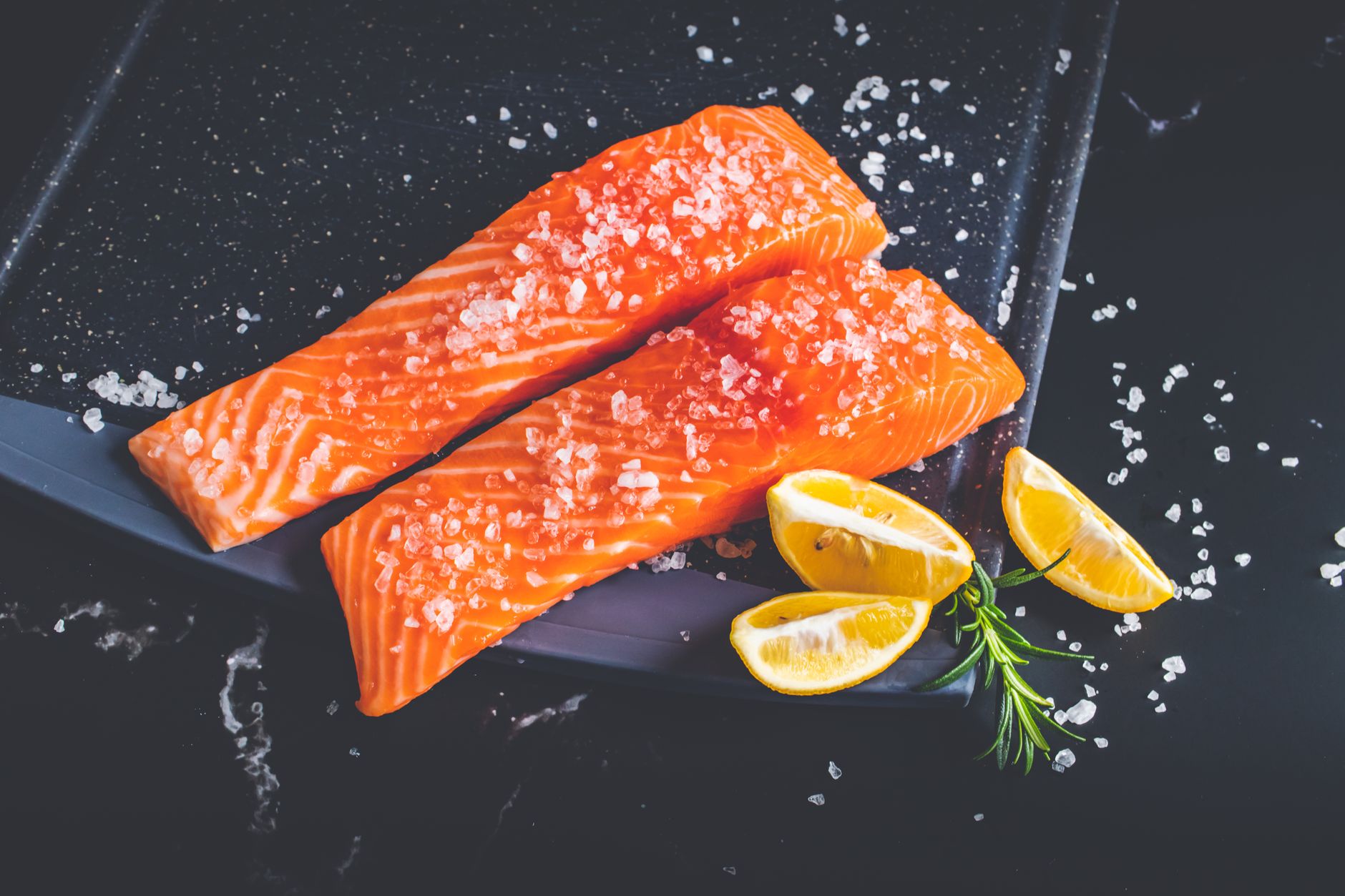
Salmon and trout are probably the most recognizable fish on the seafood counter, and for good reason. Beyond their rich flavor and easy versatility in the kitchen, both are among the most nutrient-dense fish commonly recommended as a regular part of a healthy diet.
What makes them “oily fish”
Salmon and trout both belong to the salmonid family, along with related species. Their signature pink-to-orange flesh comes from carotenoid pigments, mainly astaxanthin, which the fish accumulate through their diet — krill and other crustaceans in the wild, or supplemented feed on fish farms.
Omega-3s and heart health
The main reason nutritionists rate salmon and trout so highly is their omega-3 fatty acid content, particularly EPA and DHA. These fats aren’t produced by the body in meaningful amounts and need to come from food. Regularly eating fatty fish is linked to a lower risk of cardiovascular disease — omega-3s help support healthy triglyceride levels and are generally considered beneficial for heart function. That’s part of why most healthy-eating guidelines recommend fatty fish a couple of times a week.
Protein and other nutrients
Beyond fat, salmon and trout are also a solid source of complete protein — typically around 20-25 g per 100 g of cooked fish, and it’s protein the body absorbs well. Both are also good sources of vitamin D, which many people don’t get enough of, especially in regions with limited sunlight, along with vitamin B12, important for nervous system function, and selenium, a mineral with antioxidant properties.
How salmon and trout differ
Salmon and trout are close relatives within the salmon family, so their nutritional profiles are quite similar. In practice, the differences tend to come down to origin and texture: Atlantic salmon is usually fattier and larger, while trout tends to be a bit more delicate in flavor and texture, and often smaller. Rainbow trout, frequently sold simply as “trout,” sits somewhere between river trout and salmon in richness and flavor. Nutritionally, there’s no meaningful gap between them — both deliver solid amounts of omega-3s and complete protein.
Wild-caught or farm-raised
Wild and farm-raised fish differ mainly in fat composition and price. Farm-raised fish is often fattier due to feed composition, which isn’t necessarily a downside — the fat is still beneficial, just in a slightly different ratio. Wild-caught fish tends to cost more and have a firmer texture. The choice between the two usually comes down to budget and personal taste rather than any major difference in health value.
How to pick good-quality fish
When buying fresh fish, a few signs help: the flesh should be firm and spring back when pressed, the smell should be mild and oceanic rather than sharply “fishy,” and the eyes, if buying it whole, should be clear rather than cloudy. Frozen fish is also a solid, often more affordable option — freezing has little impact on omega-3 or protein content as long as the fish is thawed properly in the refrigerator rather than at room temperature.
How often to eat it
Most national dietary guidelines suggest fatty fish about 1-2 times a week. That’s generally enough to get the benefit of the omega-3s and other nutrients without exceeding sensible limits on mercury and other contaminants, which can accumulate in small amounts in fish, particularly in larger predatory species.
 Share via email