Articles
Quinoa: What It Is and Its Benefits
2025-12-06
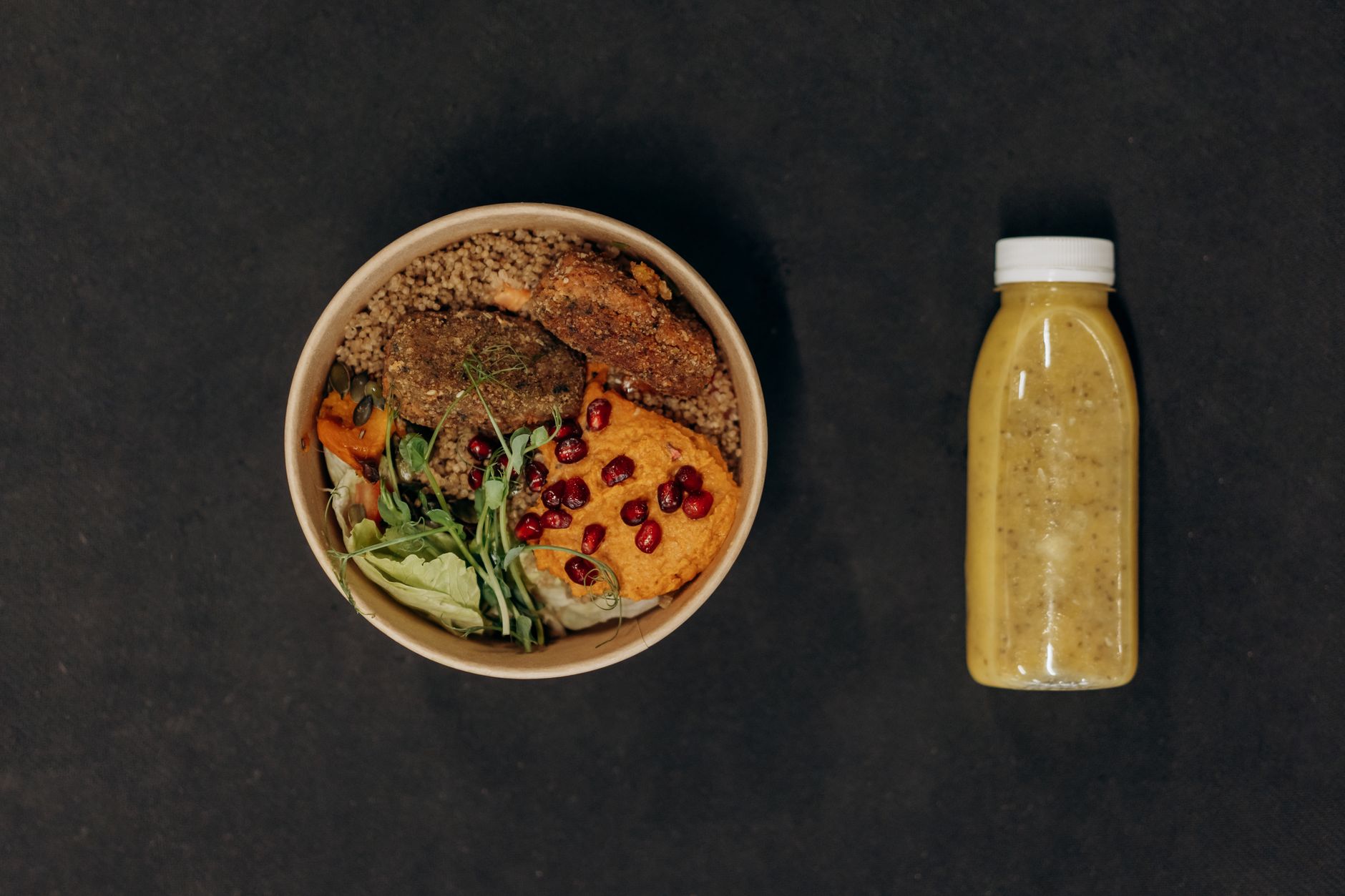
What quinoa actually is
Quinoa is the seed of a goosefoot-family plant native to the Andes of South America, where it was cultivated long before the rise of the Inca empire. Botanically, it isn’t a cereal grain at all, even though it’s cooked and eaten the same way — boiled as a side, tossed into salads, stirred into soups. That’s why quinoa is often described as a “pseudo-grain”: it behaves like a grain in the kitchen but stands apart in its origins.
Visually it resembles tiny round couscous, but once cooked, each grain sprouts a small curled white tail — that’s the germ separating from the seed. Quinoa comes in white, red, and black varieties, and while the flavor differences are subtle, the red and black kinds tend to be a bit firmer and nuttier.
Nutritional profile
The main reason quinoa stands out among grains is that it contains a complete set of essential amino acids — its protein is comparable in quality to animal protein, which is unusual for a plant food. That’s exactly why it’s frequently recommended as a solid protein source for vegetarians and vegans.
Beyond protein, quinoa is rich in fiber, which makes it filling and good for digestion, along with magnesium, iron, and manganese. It’s naturally gluten-free, making it suitable for people with gluten intolerance or celiac disease, unlike wheat, rye, or barley. That said, it’s still a fairly calorie-dense grain thanks to its complex carbohydrates, so portion size is worth keeping in mind alongside the rest of a meal.
How to cook it
Before cooking, it’s worth rinsing quinoa under cold water — the grains carry a naturally bitter compound called saponin on their surface, which protects the plant from insects, and rinsing removes most of it. Many brands now sell pre-rinsed quinoa, but an extra minute under the tap never hurts.
Cooking is straightforward: use roughly two parts water to one part quinoa, bring to a boil, then cover and simmer on low heat for 12-15 minutes until the water is fully absorbed. Let it rest, covered, for a few minutes afterward, then fluff with a fork. Cooked quinoa works well as a side dish, in warm or cold salads, and as a stuffing for vegetables — it absorbs the flavor of sauces and spices nicely while staying pleasantly firm.
What pairs well with it
Quinoa goes well with almost any vegetables, fresh herbs, and dressings built on olive oil and lemon juice, as well as with nuts and dried fruit for a touch of sweetness. It pairs nicely with legumes and avocado, making for a filling, protein-balanced plate without meat. Thanks to its neutral, nutty flavor, quinoa fits equally well into Mediterranean and Asian-style dishes, which makes it a convenient grain to keep in regular rotation.
Choosing and storing it
Stores typically carry three types of quinoa — white, red, and black — and sometimes a pre-mixed blend of all three. White quinoa is the usual choice for everyday cooking since it cooks fastest and has the mildest flavor, while red and black hold their shape better, which makes them better suited to salads where you don’t want the grains falling apart. It’s worth checking the expiration date and packaging seal, since like other grains, quinoa can develop a slightly bitter edge over time as its natural oils oxidize.
Uncooked quinoa keeps well for a year or more in a tightly sealed container in a cool, dry spot. Cooked quinoa keeps in the fridge in a covered container for about four to five days, which makes it a good candidate for batch cooking — a single pot can be reheated and folded into different meals throughout the week.
Quinoa across different diets
Thanks to being gluten-free and high in protein, quinoa often shows up on recommended-food lists across a range of eating patterns, from vegetarian and vegan diets to gluten-free eating for celiac disease or gluten sensitivity. It’s also common in diets focused on blood sugar management, since its fiber content slows down carbohydrate absorption compared to more refined grains like white rice.
That said, it’s worth not treating quinoa as some kind of miracle “superfood” — it’s simply a solid, nutritious grain that fits well into a varied diet alongside other whole grains. As with any grain, what matters isn’t just having it on the plate, but a sensible portion size balanced against everything else in the meal.
 Share via email