Articles
Lenten Dishes for the New Year Table
2025-12-11
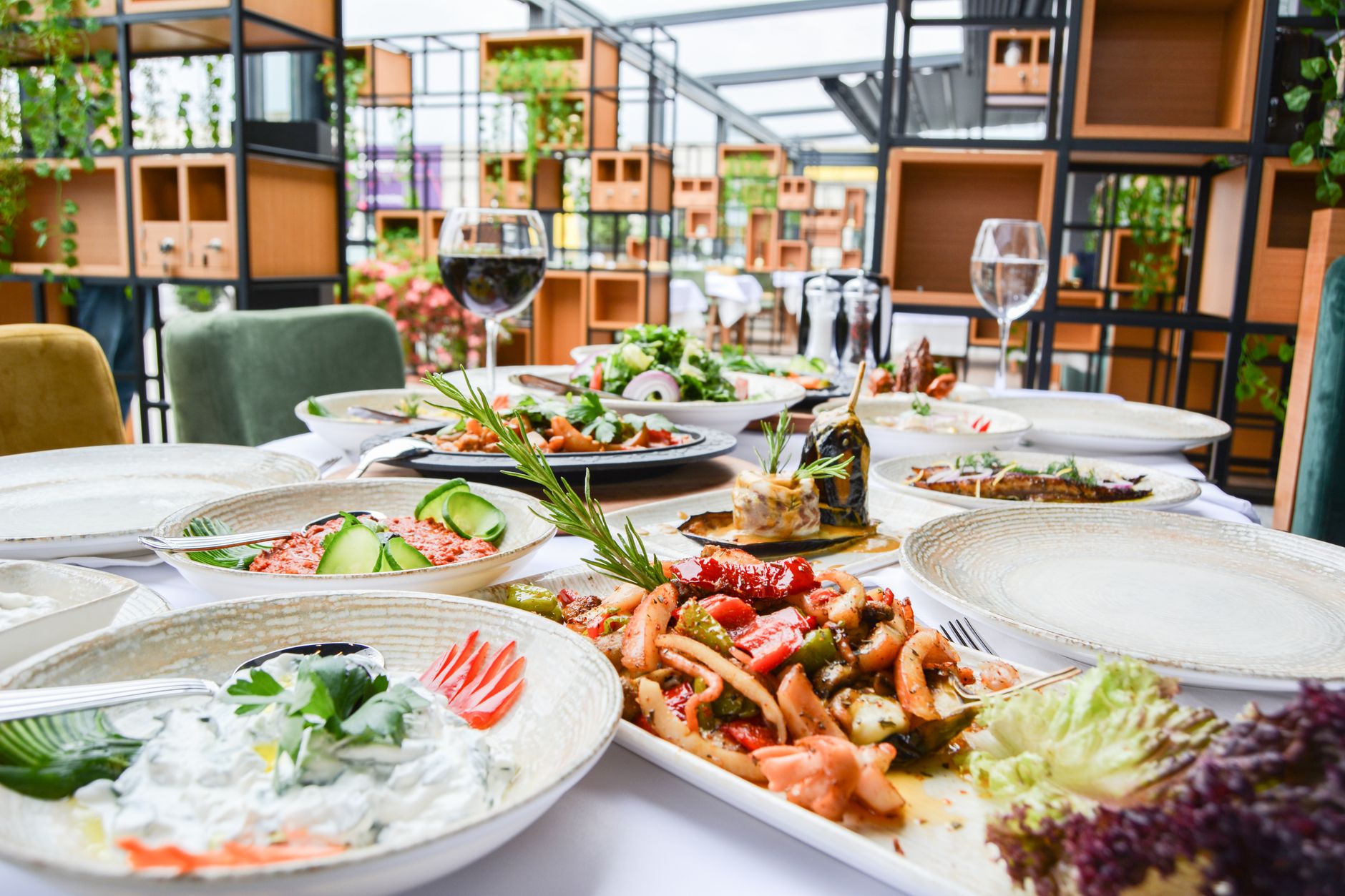
New Year during the Nativity Fast
In Russia, New Year’s Eve traditionally falls during the Nativity Fast, which runs until January 7th, so many families face the question of how to set a festive table without meat, and on the strictest days without fish or dairy either, while still keeping the sense of celebration intact. The good news is that lenten cooking has long stopped meaning a sparse table — vegetables, mushrooms, grains, and legumes leave plenty of room for dishes that are both interesting and filling.
It’s worth noting that the exact rules of the fast, including which days allow fish, vary and are best checked against a church calendar or with a priest if you’re following a specific tradition — here we’re using “lenten” in the broad culinary sense, meaning dishes made without animal products.
Appetizers and salads
A lenten table starts with appetizers, and vegetables and mushrooms offer plenty of options. Vegetable lavash rolls made with plant-based mayonnaise or hummus, marinated mushrooms, eggplant and zucchini vegetable spread, and beet salads with prunes and walnuts all look festive and don’t come across as a scaled-down version of the usual spread.
A good substitute for mayonnaise-based salads is a dressing built on tahini and lemon juice or a plant-based mayonnaise — both give a similar creamy texture while staying fully meat- and dairy-free.
Hot dishes without meat
The main hot dish on a lenten New Year’s table is often mushroom-based: a julienne made without cream or cheese, mushroom pilaf, or vegetables stuffed with mushrooms all stand in well for meat dishes in both heartiness and depth of flavor. Legume-based dishes work well too — lentil patties or a chickpea and vegetable stew provide enough protein that the table doesn’t feel lightweight.
On the fasting days when fish is permitted by the calendar, it also often becomes the centerpiece — a whole roasted fish or lenten fish cakes make a fine substitute for the usual meat platter.
Side dishes and grains
Grains are one of the easiest lenten side dishes — quinoa, bulgur, or buckwheat with sautéed mushrooms and onion look and taste just as good as the more familiar potato sides. Roasted potatoes with herbs and garlic work well too, along with vegetable stews of pumpkin, carrot, and cabbage seasoned generously for a fuller flavor.
Desserts
Lenten desserts are usually made without butter, eggs, or milk, relying instead on vegetable oil and coconut or plant-based milk. Fruit salads, baked apples with nuts and honey, and lenten baked goods made with plant milk all provide a sweet finish without breaking the fast. Dried fruits and nuts set out in small bowls also make an easy no-cook dessert.
Bread and baked goods
Lenten baking can dress up the table too: hand pies filled with cabbage, mushrooms, or apples made with plant-based dough, along with lenten potato pies, make a fine substitute for the usual sandwiches and canapes. This kind of dough is typically made with water or plant milk and vegetable oil instead of butter, and it holds up surprisingly well against richer, egg-and-butter versions, especially with a well-seasoned filling.
Homemade lenten bread or a batch of fresh lavash also makes a welcome addition — it pairs nicely with vegetable spreads and mushroom appetizers and gives the table the sense of homely abundance that a New Year’s spread calls for.
Drinks for a lenten table
For drinks, cranberry morse and other berry compotes work well on a lenten table, along with a plant-based mulled wine made without honey or other animal-derived sweeteners, and herbal teas served with dried fruit. These options fit the fast completely and also help cut through a long meal that’s likely to include a fair number of rich, hearty dishes.
Putting the whole table together
When planning a lenten New Year’s spread, it helps to mix a few different textures and temperatures — cold appetizers, something warm or hot, baked goods, and a dessert — so the table doesn’t feel monotonous. Many lenten dishes can be made ahead of time, which is especially useful during the holiday rush, and the sheer variety of vegetables, mushrooms, grains, and legumes makes it possible to set a table just as generous as a traditional festive one. The real key is not trying to recreate meat and dairy dishes exactly, but building the menu around what plant-based cooking does best: fresh ingredients, varied textures, and bold seasonal flavor.
 Share via email