Articles
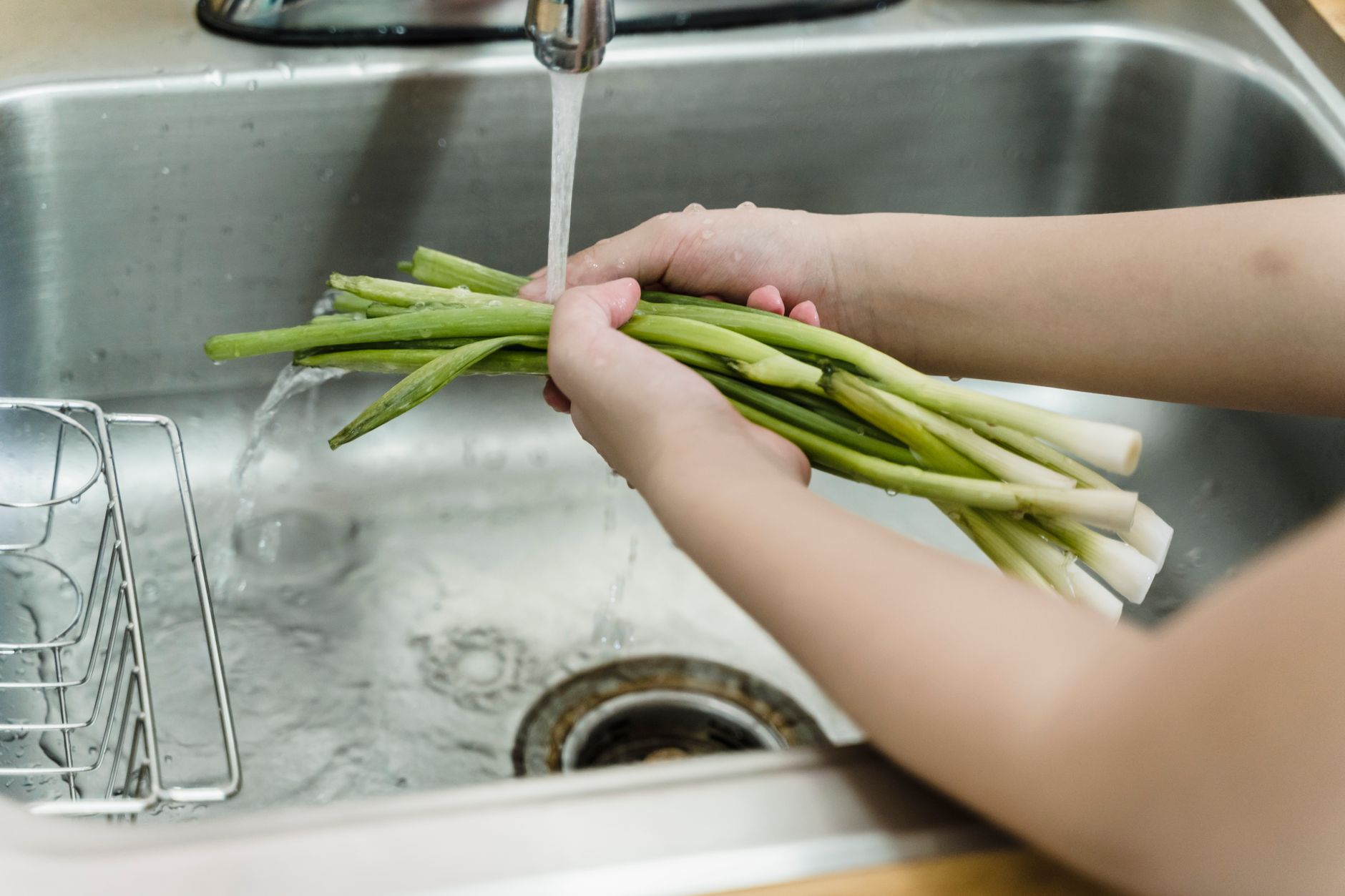
Washing produce seems too simple to think much about — a quick rinse under the tap and you’re done. But the surface of fruits and vegetables can carry dirt, residue from handling, and bacteria picked up during transport and storage, so a handful of small habits make this routine step noticeably more effective.
Running water is the foundation
For most fruits and vegetables, cold running water is genuinely enough. The mechanical action of water combined with light rubbing by hand removes a good share of surface dirt and reduces the bacterial load. Specialty produce washes aren’t necessary — there’s no convincing evidence they outperform plain water, and some can leave their own residue behind on the surface.
When a brush is worth using
Vegetables with a sturdy skin — potatoes, carrots, beets, squash — do better with a vegetable brush under running water. The firm surface can handle a fair amount of scrubbing without damaging the flesh, and a brush reaches into the uneven texture of the skin far better than a stream of water alone.
Soft fruits and berries need a gentler touch
Berries, peaches, and other soft fruits shouldn’t be scrubbed — the skin bruises and breaks down easily, which shortens how long they’ll keep. A short soak in a bowl of cold water with a gentle swirl works better, followed by draining and laying them out on a paper towel to dry. Strawberries and raspberries in particular are best washed right before eating rather than ahead of time, since lingering moisture speeds up mold growth in storage.
Leafy greens: change the water a few times
Lettuce, spinach, and other leafy greens are washed more effectively in a large bowl of cold water, changed two or three times, rather than under a running tap. Grit and dirt settle to the bottom of the bowl instead of just sliding around the surface of the leaves, which tends to happen when rinsing under a faucet. After washing, greens should be dried thoroughly in a colander or salad spinner — leftover moisture accelerates spoilage in the fridge.
Produce with a waxy coating
Some fruits and vegetables — apples, cucumbers, citrus — can carry a thin wax coating applied after harvest to slow moisture loss and extend shelf life. Plain water alone doesn’t always cut through it; warm (not hot) water with some light scrubbing from a brush or sponge helps more. For citrus that’s headed for zesting, it’s worth being especially thorough about scrubbing the peel.
Does baking soda or vinegar help
A baking soda solution is a common home method for extra cleaning of firmer produce. Items are soaked for 10-15 minutes, then rinsed thoroughly under running water. A diluted vinegar solution works on a similar principle and is sometimes used for berries and greens, though anything treated this way should be well rinsed afterward so no aftertaste lingers.
When to wash — before storage or before eating
The general rule: wash fruits and vegetables right before eating or cooking them, not immediately after bringing them home if they’re headed for the fridge. Extra surface moisture creates favorable conditions for mold and speeds up spoilage, especially with berries and leafy greens. The exception is firmer vegetables like carrots or beets, which can be washed ahead and dried well before going into the fridge.
What washing doesn’t replace
It’s worth keeping in mind that even thorough washing doesn’t remove every trace of substances used during growing, and it doesn’t substitute for cooking where that’s needed for food safety. Still, as a daily habit, careful washing meaningfully cuts down on surface dirt and bacteria, and makes eating fresh produce a safer bet overall.
 Share via email