Articles
What to Cook for Christmas
2025-12-29
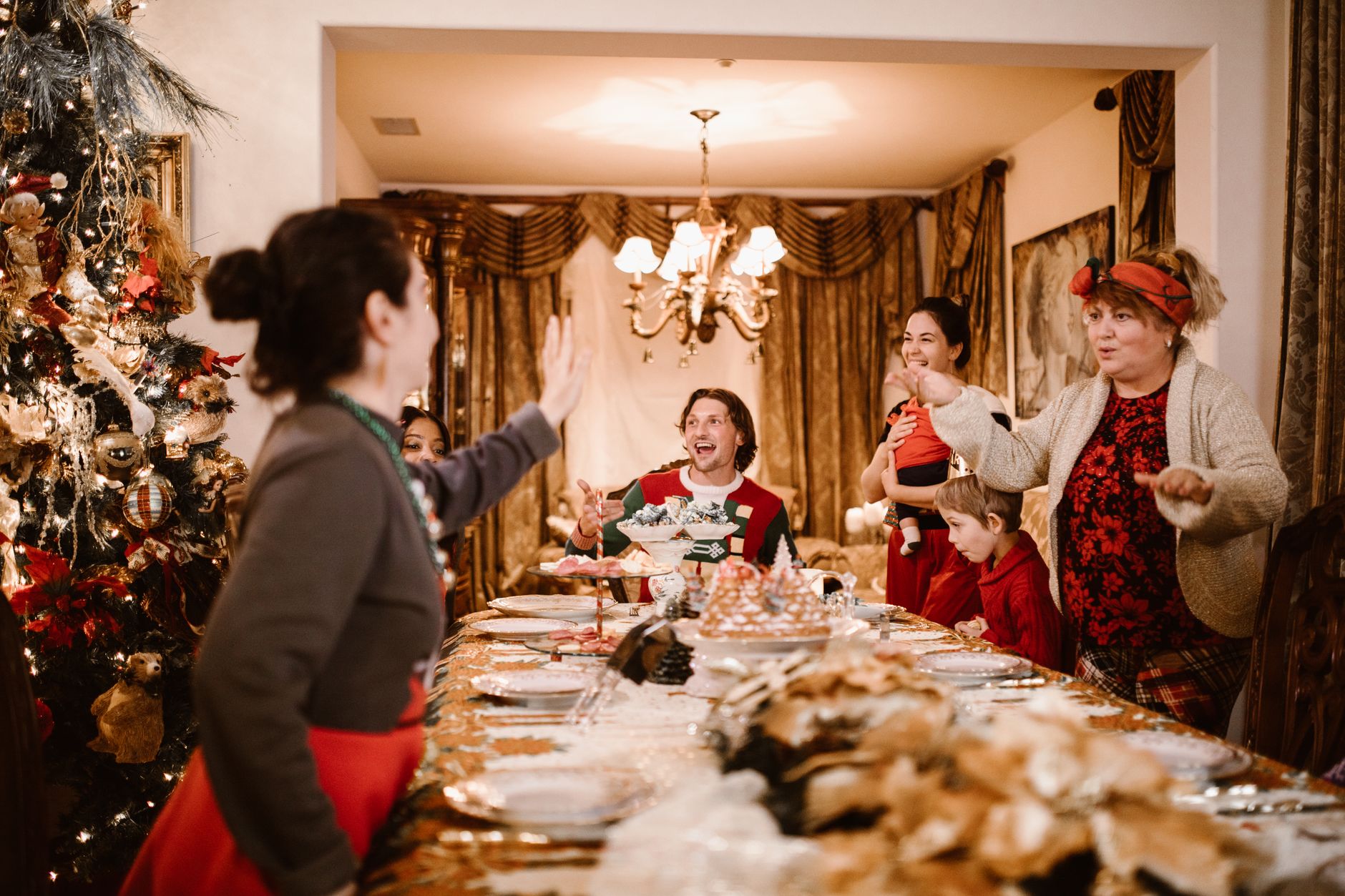
Orthodox Christmas, celebrated on January 7, marks the end of a forty-day fast — which is exactly why the holiday table on this day tends to be especially generous. After weeks of limited meat and dairy, there’s a real appetite for a genuinely festive spread, and this roundup gathers ideas for building one.
After the fast, an appetite for richness
The main thing that sets a Christmas table apart from a New Year’s one is the craving for rich, indulgent dishes — meat, butter, cream — that people have gone without for over a month. It’s the right occasion to make the kind of food that usually gets saved for special days: a deeply flavored broth, fatty roasted poultry, cream-based sauces.
A festive roast as the centerpiece
A whole roasted bird or cut of meat is a classic centerpiece for the Christmas table — goose, duck, or a pork shank with a crisp crackling skin. Goose or duck stuffed with apples and prunes works particularly well: the tartness and sweetness of the filling balance the richness of the bird, and the juices released during roasting soak the stuffing through. For something less involved, a whole pork loin roasted with garlic and herbs makes an easier alternative that still looks impressive on the table.
Kutia and other Christmas Eve dishes
Some dishes naturally carry over from the January 6 Christmas Eve table: kutia, a wheat, rice, or barley dish with honey, poppy seeds, and dried fruit, carries deep symbolic roots and many families serve it on Christmas Day as well. Uzvar, an unsweetened dried-fruit compote, traditionally accompanies kutia and offers a refreshing contrast after rich meat dishes.
Warm sides and salads
Roasted potatoes with rosemary, braised cabbage with apples, or a spiced roasted pumpkin side all pair nicely with the main roast, and winter vegetables are at their best this time of year. On the salad side, lighter options built around beets, walnuts, and cheese, or a classic vinaigrette-style vegetable salad, keep the table from feeling too heavy alongside everything else.
Pies and pastries
It’s hard to picture a Christmas table without homemade pies. Savory pies filled with cabbage, meat, or fish work well as a cold starter on their own, while sweet pies with apples, farmer’s cheese, or dried fruit bridge the gap toward dessert. Many of these can be baked a day or two ahead, which takes real pressure off the day of the meal itself.
Desserts for the table
For dessert, spiced baked goods — honey cake, gingerbread, or cinnamon-and-candied-fruit loaves — feel right at home alongside winter holidays. A lighter option, like baked apples with honey and walnuts or a farmer’s cheese casserole with raisins, works well too, especially after a substantial main course.
Drinks worth serving
Mulled wine or warm honey-and-spice sbiten make fitting drinks for the occasion, both suited to cold weather and a cozy evening indoors. For anyone skipping alcohol, uzvar or a tart cranberry drink fills the festive-drink role just as well.
Simple ways to prepare ahead
The easiest way to handle a Christmas table is to spread the work across a few days. Kutia, pies, and desserts can all be made a day or two in advance, and uzvar or cranberry drink keep well too, which leaves the day itself free for focusing on the hot main dish and any fresh salads. That kind of planning takes the scramble out of the holiday and leaves more time to actually sit down at the table.
 Share via email