Articles
Winter Produce: What to Choose
2026-01-12
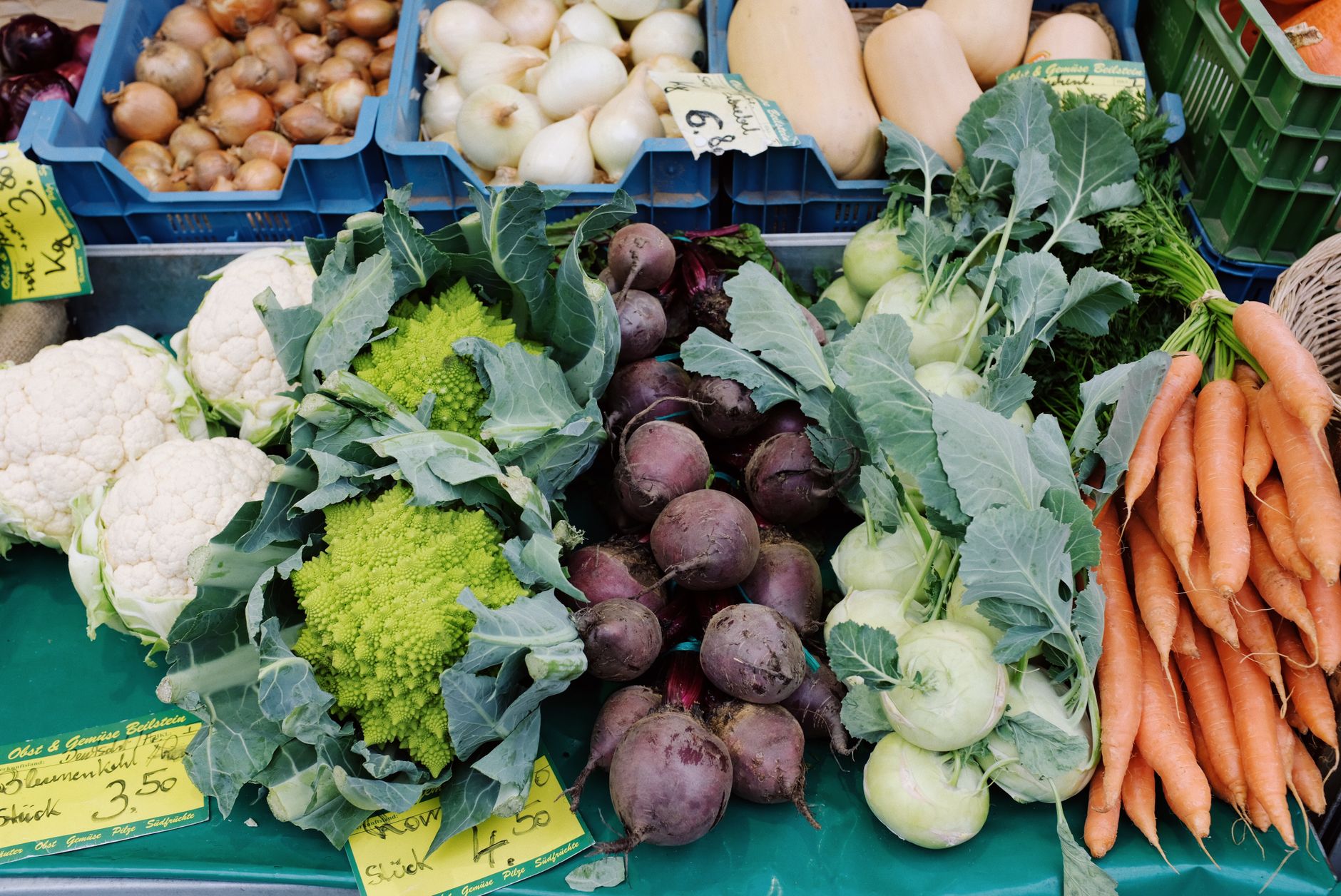
Produce aisles look a lot thinner in winter than in summer — fresh greens and berries are scarce, and tomatoes or strawberries shipped in from far away usually taste disappointing. That doesn’t mean winter cooking has to be limited or dull, though. Cold weather has its own lineup of fruits and vegetables that are genuinely at their best right now.
Root vegetables — the backbone of winter cooking
Carrots, beets, turnips, radishes, and Jerusalem artichokes keep well all winter without losing flavor or nutrients, because that’s exactly what they’re built for — a dense structure and low water content protect them from spoiling. Beets are especially good this time of year: after months in storage, some of their starch converts to sugar, giving them a sweeter, more concentrated flavor than they had right after harvest in fall.
When picking root vegetables at the store or market, look for firmness — the vegetable shouldn’t give under light pressure or have soft spots. The skin should be intact, without cracks or signs of rot near the base. Oversized carrots or beets are often fibrous inside, so medium-sized ones tend to taste better.
Cabbage in every form
Green and red cabbage, Brussels sprouts, kale, and broccoli are all naturally cold-season vegetables — they tolerate frost well and often turn sweeter after a light freeze. A good head of green cabbage should feel heavy for its size, a sign that the leaves are packed tightly with no hollow spots inside.
Brussels sprouts are best bought small and bright green, without yellowing outer leaves. Kale and other leafy greens should have crisp, not limp, leaves — they lose moisture quickly in storage, so it’s worth using them sooner rather than later.
Citrus — winter’s vitamin C source
Oranges, mandarins, grapefruit, and lemons hit peak season in winter, which is exactly why they’re most fragrant and most affordable during the coldest months. A good piece of citrus should feel dense and heavy for its size, a sign of juicy flesh — lighter fruit is often dry inside.
Citrus is an easy way to add variety to a winter menu beyond just snacking: orange zest pairs well with roasted root vegetables, and a squeeze of lemon juice brightens up heavier winter soups and stews.
Winter squash and late-season apples
Winter squash, especially dense varieties like butternut, keeps for months and stays sweet and flavorful long after harvest. When choosing one, check the stem — it should be dry and firmly attached, and the skin should have no soft spots.
Late-season apple varieties are bred specifically for long storage and hold onto their crisp texture and tartness well into spring. They work equally well baked or eaten fresh.
Building a solid winter diet
The main idea behind eating well in winter isn’t trying to recreate summer’s fresh-salad abundance — it’s leaning into what’s genuinely good this time of year. Root vegetables and cabbage deliver fiber and a good range of B vitamins, citrus covers vitamin C needs, and winter squash and late apples add natural sweetness without reaching for refined sugar.
Frozen vegetables and fruit are a legitimate part of a winter diet too — they’re usually frozen shortly after harvest, so their vitamin content often beats “fresh” produce that’s traveled a long way to get to the shelf. The freezer is an underrated source of seasonal variety in winter.
A sensible mix of fresh seasonal root vegetables, cabbage, citrus, and good frozen produce makes it entirely possible to eat varied and well through the coldest months, without overpaying for out-of-season produce that rarely tastes as good as it should.
 Share via email