Articles
Turmeric: Properties of the Spice
2026-01-25
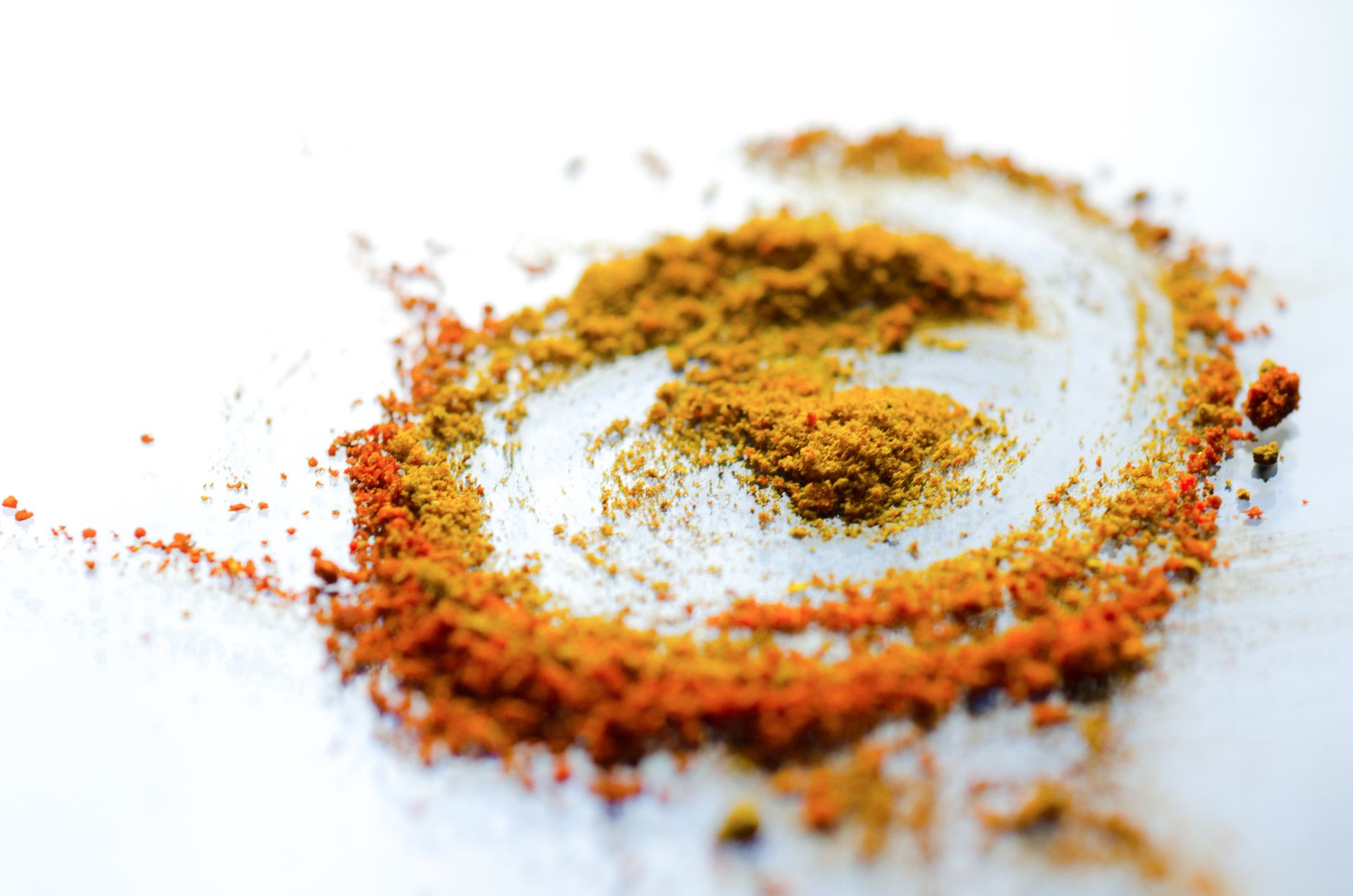
Turmeric is the vivid yellow spice ground from the root of a plant in the ginger family, long used across South and Southeast Asian cooking, and in recent years turned into one of the most talked-about spices in wellness circles. Here’s a look at what the research actually supports versus what tends to get overstated.
What turmeric is
Turmeric comes from the dried, ground rhizome of Curcuma longa, a close relative of ginger. It’s a core ingredient in many curry blends, contributing not just an earthy flavor but also the deep golden color the spice is known for — turmeric has historically been used to dye fabric and even as a natural food colorant.
Curcumin and its properties
The main active compound in turmeric is curcumin, part of a group of compounds called curcuminoids, credited with anti-inflammatory and antioxidant properties. Lab studies and some small clinical trials do point to a real anti-inflammatory effect, and curcumin has been studied in the context of joint pain, digestive health, and oxidative stress. Most of this research, though, is either small-scale or conducted in test tubes and animals, so it’s worth treating turmeric as an interesting spice rather than a proven remedy or a substitute for actual medical treatment.
Absorption: why turmeric needs help
One key limitation of curcumin is its poor bioavailability — the body absorbs only a small fraction of what you actually eat in a pinch of the spice. That’s why curcumin supplements are often paired with black pepper, or more specifically with piperine, a compound in black pepper that meaningfully boosts curcumin absorption. Curcumin also absorbs better alongside fat, which is one reason turmeric in a dish cooked with oil or cream tends to be more effective than the dry spice on its own.
Cooking with turmeric
In the kitchen, turmeric earns its place on flavor alone: it brings a warm, faintly bitter note to soups, stews, rice, and marinades, and pairs especially well with black pepper and ginger. Golden milk — warm milk spiced with turmeric, ginger, and black pepper — became popular precisely as a way to get both the flavor and the potential benefits of the spice in one cup. It’s worth using turmeric with a light hand, though; too much turns a dish bitter and stains everything it touches, cookware included.
Turmeric supplements
Beyond cooking, curcumin is sold as capsules and extracts formulated to deliver concentrations far higher than what you’d get from the spice in food. Anyone considering these supplements should check with a doctor first, especially if taking other medications — curcumin can interact with blood thinners and a few other drug classes.
Who should be cautious
In ordinary cooking amounts, turmeric is safe for most people, but high doses or concentrated supplements can cause digestive upset, and in people with gallstones it can worsen symptoms, since turmeric stimulates bile production. Pregnant women and anyone on blood-thinning medication should talk to a doctor before using turmeric in therapeutic doses.
Choosing and storing turmeric
When buying turmeric powder, look at the color — good-quality turmeric has a deep orange-yellow hue and a distinct aroma, while a dull or pale powder may be old or cut with cheaper fillers. Store it in a tightly sealed jar away from light, since both light and air speed up the loss of aroma and potency. Fresh turmeric root, when you can find it, keeps in the fridge for a few weeks and can be used much like fresh ginger — grated or finely chopped before it goes into a dish.
 Share via email