Articles
Beetroot: Health Benefits
2026-01-29
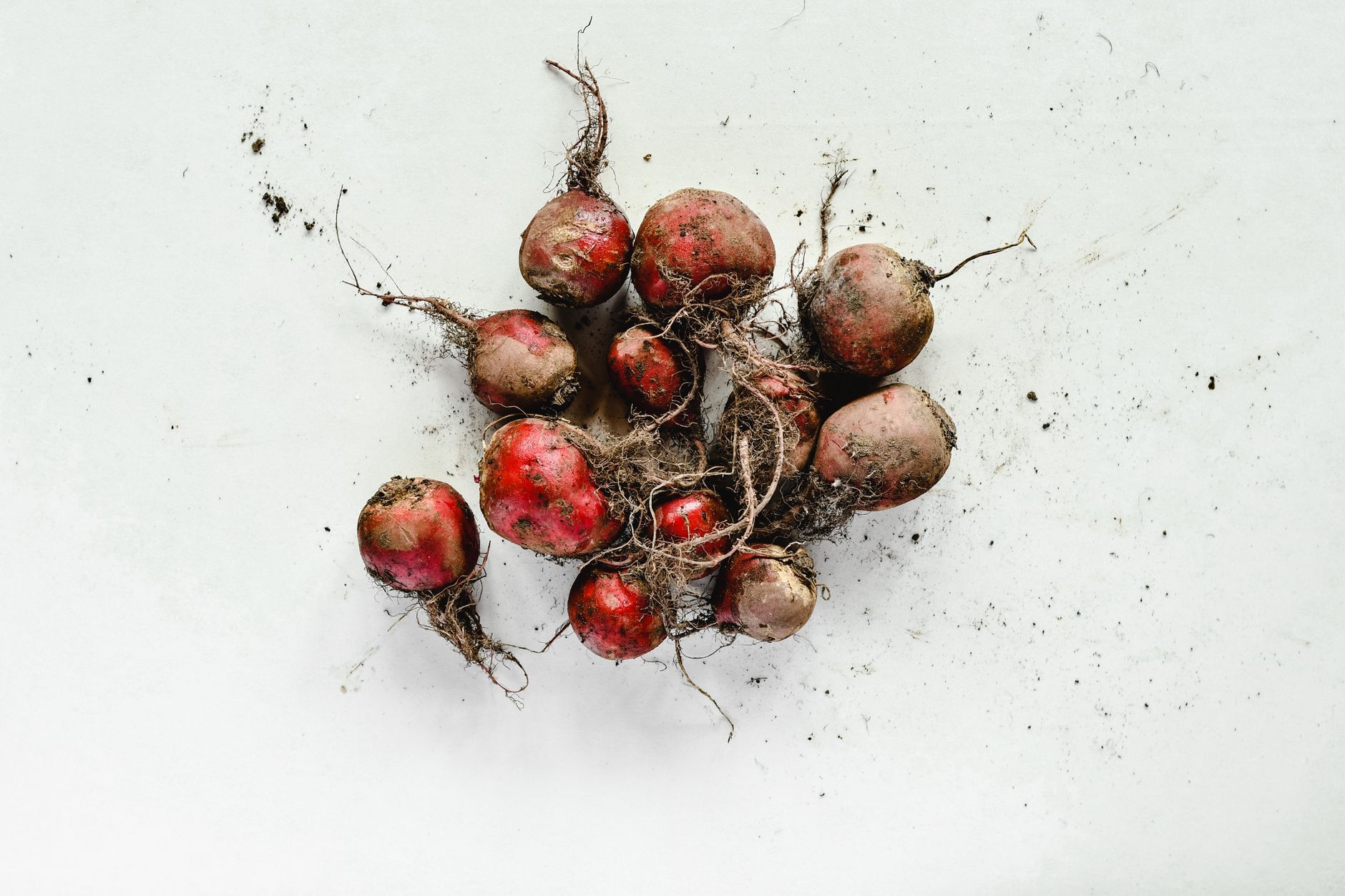
Beetroot rarely gets much attention, which is a shame given how cheap it is, how long it keeps, and how much nutritional value it packs into an unglamorous root vegetable that sits at the back of most refrigerators.
A dense nutritional profile
Beets are rich in fiber, folate, manganese, and potassium, along with a decent amount of vitamin C. Their deep crimson color comes from betalains, plant pigments with antioxidant properties that are fairly unique to beets among common vegetables. Beet greens are edible too, and in some respects they’re even more nutrient-dense than the root itself, so it’s worth keeping them rather than tossing them out.
Nitrates and blood pressure
Beetroot is one of the few vegetables naturally high in nitrates, which the body converts into nitric oxide. This compound relaxes blood vessels, which is why beets and beet juice are often linked to modest improvements in blood pressure and exercise tolerance. The effect isn’t dramatic or a substitute for medical treatment, but regularly including beets in your diet is a reasonable, low-cost addition to an overall healthy routine.
Digestive support
Thanks to their fiber content, beets support regular digestion and help you feel full longer. Pectin and other fibers in beets also act as food for beneficial gut bacteria, giving beets a mild prebiotic effect. That said, because of the fiber, it’s worth increasing beet intake gradually rather than all at once, to avoid temporary digestive discomfort.
Beets and the liver
Beets contain betaine, a compound involved in the liver’s natural detoxification pathways, which helps cells cope with oxidative stress. This isn’t a “cleanse” in the marketing sense — it’s support for enzymatic processes the liver already carries out on its own.
Raw, boiled, or roasted
How you cook beets changes their taste and texture but doesn’t strip away all their nutritional value. Boiling causes some loss of vitamin C and other water-soluble compounds into the cooking water, so if you’re boiling beets whole, it helps to leave the skin and root end on until they’re done — this keeps more juice and color inside. Roasting in foil tends to preserve more nutrients than a long boil, while raw grated beet in a salad is the least processed option, though its dense texture and earthy flavor aren’t for everyone.
Beet juice
Beet juice concentrates the vegetable’s beneficial compounds, including nitrates, but it concentrates natural sugars too. It’s best sipped in small amounts or diluted with water or other juices — straight beet juice can be intense both in flavor and in how it sits with digestion if you’re not used to it.
Choosing and storing
When picking beets, look for roots that feel firm rather than soft or shriveled, since softness usually signals they’ve already started losing moisture and flavor. Any attached greens should look fresh, not wilted. Beets keep best in a cool, dark spot or the refrigerator with the greens trimmed off — left attached, the leaves continue pulling moisture from the root, speeding up spoilage.
Who should be more cautious
Because of their relatively high natural sugar content, beets aren’t entirely neutral in terms of blood sugar impact, so anyone closely monitoring their glucose levels should eat them in moderation and pair them with protein or fat to soften the spike. Beets are also high in oxalates, which is worth keeping in mind for anyone prone to oxalate kidney stones.
Beetroot is a simple, inexpensive, and genuinely versatile vegetable — good in soup, in a salad, or roasted whole with a drizzle of olive oil. Making it a regular part of your diet is a cheap way to add fiber, antioxidants, and natural nitrates to your plate without reaching for anything exotic.
 Share via email