Articles
Cooking Hacks for One Person
2026-01-31
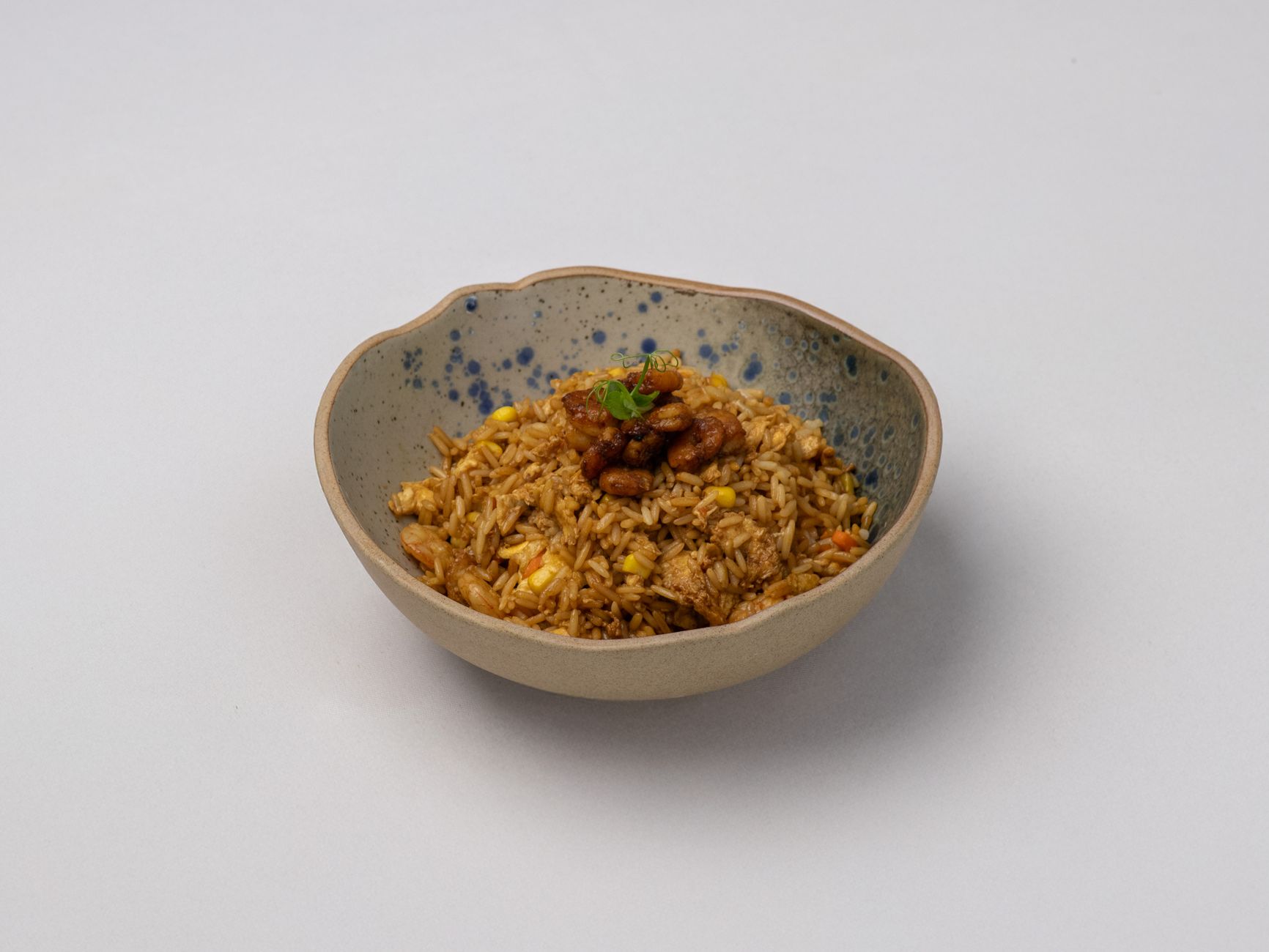
Cooking for one is its own skill, and it’s not as simple as dividing a family recipe by four or six. Most recipes online and in cookbooks assume a household of several people, and without adjusting the approach, it’s easy to end up either eating the same leftovers all week or giving up and ordering takeout because cooking “just for me” feels like too much effort for too little payoff.
Cook in batches and freeze what you can
One of the most reliable habits is cooking a full-size batch of something that freezes well — soup, stew, chili, meatballs, pasta sauce — then portioning it into single-serving containers and freezing most of it right away. It saves time and effort down the road, and having five or six different meals stashed in the freezer keeps weeknight eating from feeling repetitive.
Shop around a plan, not a recipe
One person can’t realistically get through half a cabbage or a full bag of carrots before it starts going soft. It helps to plan two or three meals for the week that share ingredients, so one bunch of herbs or one vegetable gets used across multiple dishes instead of buying a separate batch for every single recipe.
Lean on frozen vegetables and herbs
Frozen vegetables aren’t a downgrade — they’re often the smarter choice specifically for cooking solo, since they don’t spoil on a schedule and are usually frozen soon after harvest, keeping much of their nutritional value intact. Fresh herbs can be frozen too: chop them finely and freeze small portions in an ice cube tray with a bit of oil, which makes a convenient starter for sauces and dressings later.
Scale recipes down thoughtfully
When cutting a recipe down to one serving, not every ingredient should shrink proportionally. Spices, garlic, and herbs can often stay close to their original amount, since they affect flavor more than volume. Salt and cooking liquid, on the other hand, need more careful recalculating, or a small portion can end up oversalted.
Build meals that shift day to day
The same base — cooked rice, grilled chicken, roasted vegetables — can anchor several different meals over a week: a bowl with sauce one night, taco filling the next, a quick soup with added broth after that. This cuts down on active cooking time without making it feel like you’re eating the exact same dish several days running.
Get a few smaller pans and dishes
A smaller skillet, a smaller saucepan, and a compact baking dish genuinely make cooking for one easier — sauces and stews reduce to the right consistency more evenly in a smaller volume, and there’s less risk of the edges scorching that comes with cooking a small portion in oversized cookware.
Don’t default to toast and eggs
It’s tempting to settle for a sandwich or scrambled eggs when cooking only for yourself, but a proper hot meal doesn’t take much more effort if the ingredients are already prepped or stashed in the freezer. A bowl of soup or stew reheated in five minutes is often faster, tastier, and more nutritious than a rushed makeshift snack.
Use leftovers on purpose
Set aside one “leftovers night” a week to clear out whatever’s built up in the fridge instead of cooking something new. It saves ingredients from going bad and cuts down on food waste, which is a common issue specifically when cooking for one.
Cooking for one doesn’t have to be dull or a poor use of time and money. A bit of planning, smart use of the freezer, and a willingness to cook a bit more than you need right now turn it into just as satisfying a routine as cooking for a full household.
 Share via email