Articles
Seafood: Shrimp and Mussels Benefits
2026-02-10
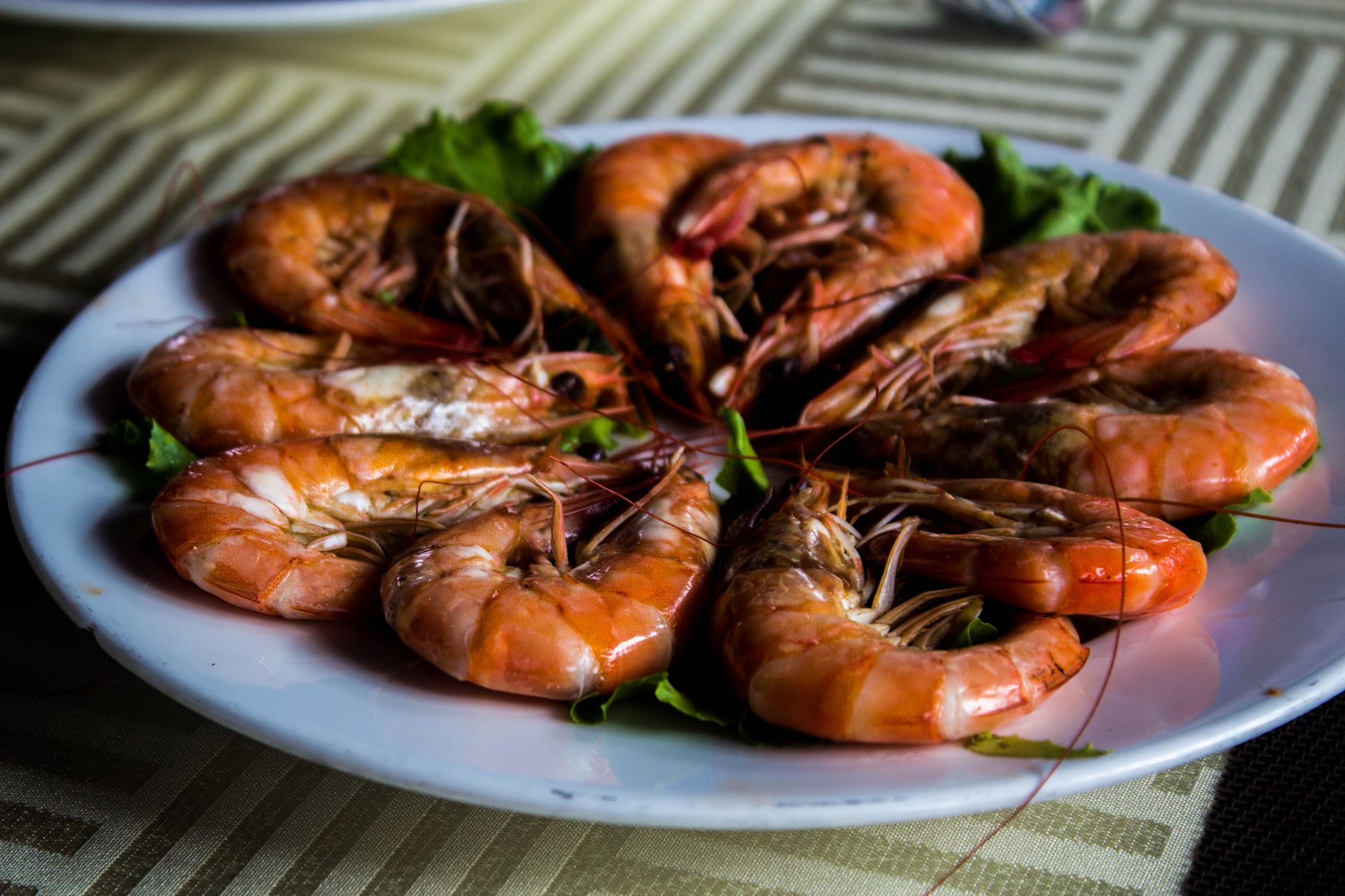
Shrimp and mussels tend to get treated as special-occasion food rather than a weeknight staple, even though nutritionally they’re among the leanest, most efficient sources of animal protein you can find at a regular grocery store. It’s worth understanding what they actually offer and how to cook them well, if only to justify putting them on the menu more often than just for a dinner party.
High protein, low calories
Both shrimp and mussels pack a lot of protein into relatively few calories: a 100g serving of cooked shrimp delivers roughly 20-24g of protein for around 90-100 calories. Mussels have a similar profile, though they tend to run a touch higher in calories due to their glycogen content. That ratio makes seafood a convenient option for anyone watching calorie intake without wanting to sacrifice a filling meal.
A reliable source of iodine and selenium
Seafood is one of the few genuinely dependable dietary sources of iodine, a mineral essential for normal thyroid function. Iodine deficiency remains fairly common in regions far from the coast, and regularly eating seafood helps close that gap. Selenium, another mineral found in shrimp and mussels, functions as an antioxidant and plays a role in numerous metabolic processes.
Vitamin B12 and iron
Mussels in particular are rich in vitamin B12, which is essential for nervous system function and red blood cell production — a nutrient that’s often lacking in diets that limit meat. Mussels also carry a notable amount of iron, and in a form the body absorbs more readily than iron from plant sources.
Omega-3 fatty acids
While shrimp and mussels contain less total fat than oily fish like salmon or mackerel, a portion of what fat they do have comes as beneficial omega-3 fatty acids, traditionally linked to cardiovascular health. They’re not the main source of omega-3s in most diets, but it’s a welcome bonus on top of everything else these foods already offer.
The cholesterol question
Shrimp have long had a somewhat undeserved reputation because of their relatively high cholesterol content. Current nutrition science, however, shows that dietary cholesterol has a much smaller effect on blood cholesterol levels than once assumed — saturated and trans fats in the overall diet matter far more. For most people, eating shrimp in moderation poses no meaningful risk.
Buying and cooking
When buying fresh shrimp or mussels, pay attention to smell — it should read as clean and oceanic, not sharp or ammonia-like. Frozen seafood is a perfectly good alternative to fresh, especially when fresh isn’t reliably available, since freezing usually happens very soon after the catch and preserves nutritional quality well. Before cooking mussels, sort through them and discard any that don’t close when tapped, along with any that stay shut after cooking.
Cook both shrimp and mussels briefly — overcooking turns them tough and rubbery. Shrimp are done as soon as they turn from gray-translucent to pink, and mussels are ready the moment their shells pop open, which usually takes just a few minutes steamed or simmered.
Working seafood into regular meals
Shrimp work well in pasta, salads, soups, and on the grill, while mussels are classically steamed in white wine with garlic or folded into paella and other rice dishes. Given how quickly they cook and how much nutritional value they offer, it’s worth keeping a bag of frozen shrimp or mussels on hand for a fast weeknight dinner rather than saving them only for special occasions.
 Share via email