Articles
Rice: Types and Differences
2026-02-11
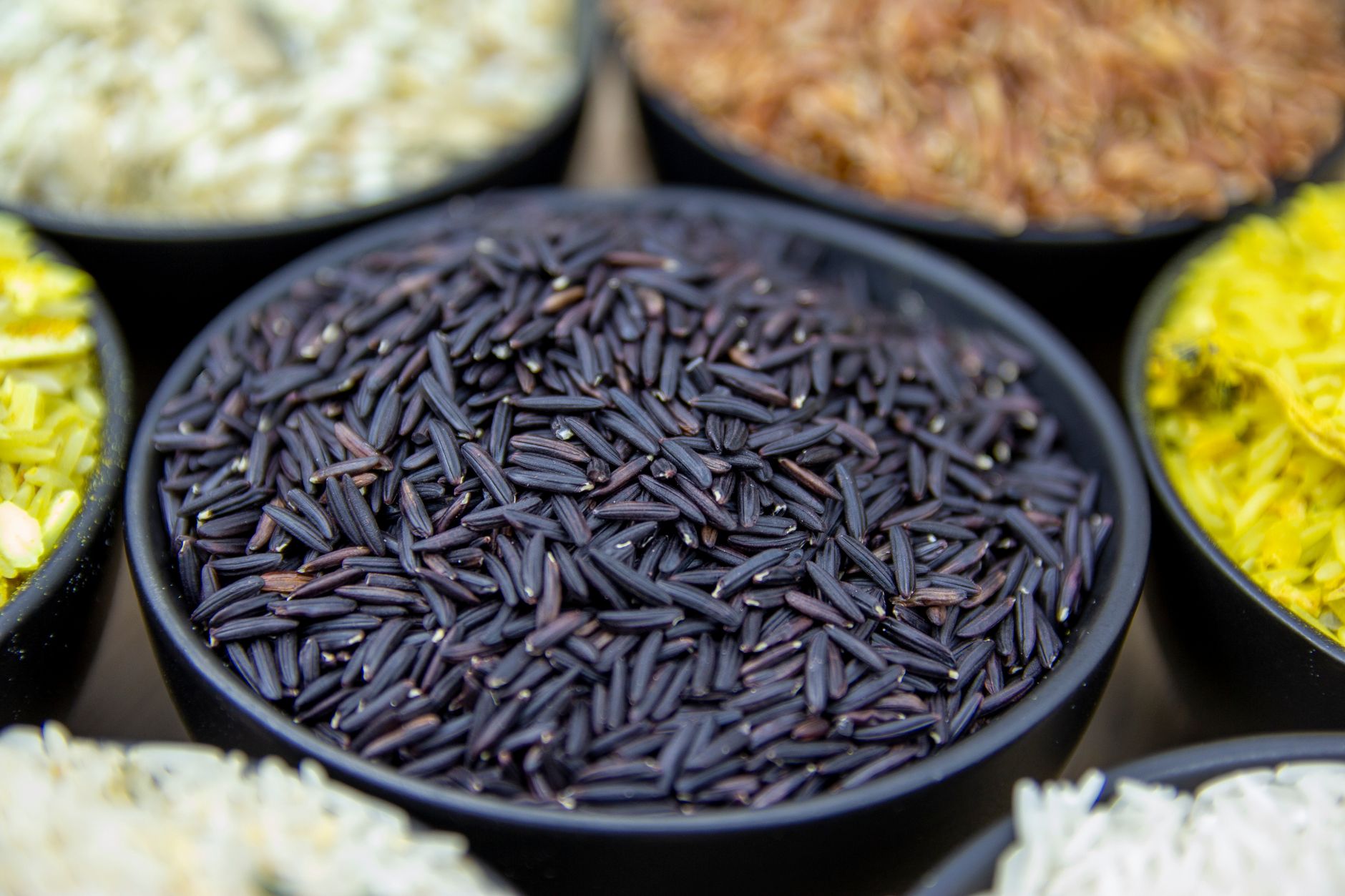
Rice looks like one of the simplest foods around, until you walk down the rice aisle and find a dozen different kinds staring back: long-grain, short-grain, basmati, jasmine, arborio, brown, wild. Each behaves differently in the pot, and knowing why makes it a lot easier to pick the right one for a given dish.
Long-grain vs. short-grain
The main thing that separates rice varieties is grain shape and length, which directly determines texture after cooking. Long-grain rice contains less amylopectin, the starch responsible for stickiness, so the grains stay separate and fluffy once cooked. Short-grain rice is the opposite — high in amylopectin, it clumps together after cooking, which is exactly what’s wanted for sushi, risotto, or rice pudding, where a creamy or sticky texture is the point.
Basmati
Basmati is a long-grain variety with a distinctive nutty aroma, traditionally grown in India and Pakistan. When cooked, basmati grains elongate to nearly twice their raw length while staying slender and separate, making it the classic choice for pilaf, curry, and other dishes where rice is served as a side rather than absorbed into a sauce.
Jasmine
Jasmine rice is another long-grain variety, but with a slightly softer, faintly sticky texture compared to basmati, along with a characteristic floral aroma. It’s a staple of Thai and other Southeast Asian cooking and pairs well with steamed dishes and sauces, where the rice needs to cling together a little without turning mushy.
Arborio and other risotto rice
Arborio is a short-grain Italian variety high in starch, which releases gradually into the broth as it’s stirred, creating risotto’s signature creamy texture. Related varieties like carnaroli and vialone nano are also used for risotto and are sometimes considered even better, since they hold their shape a bit more firmly while still delivering that same creaminess.
Brown rice
Brown rice is essentially the same grain as white rice, just with the bran layer and germ left intact — the parts removed during white rice production. That extra layer means brown rice carries more fiber, B vitamins, and minerals, but it also takes noticeably longer to cook, usually 35-45 minutes versus 15-20 for white rice. Its texture is chewier and slightly nutty, which not everyone used to white rice takes to right away.
Wild rice
Wild rice isn’t actually rice at all — it’s the seed of a semi-aquatic grass only distantly related to true rice. It has a dark color, a distinct nutty flavor, and a firm, chewy bite even after a long cook. Wild rice is often blended with regular white or brown rice to add textural contrast and a richer flavor to a dish.
Glycemic index and nutrition
Different rice varieties vary noticeably in glycemic index, a measure of how quickly a food raises blood sugar. White rice, especially short-grain, tends to have a higher glycemic index than basmati or brown rice, both of which contain more fiber and release their starch more slowly. For anyone watching blood sugar, basmati or brown rice is generally a better pick than standard short-grain white rice.
How to cook it right
Water-to-rice ratios also shift from one variety to another: long-grain rice typically needs less water, around 1.5-1.75 cups per cup of rice, while risotto rice takes broth added gradually, in small increments, throughout the cooking process. Rinsing rice before cooking washes off some of the surface starch and leaves the finished grains fluffier — a step that matters a lot for basmati and jasmine, but should be skipped entirely for risotto rice, where that surface starch is exactly what creates the creamy texture.
Storage
Raw rice, stored dry in a sealed container, can keep for years, but brown rice spoils faster than white because of the oil in its germ, and is better kept in the refrigerator. Cooked rice should be cooled quickly and refrigerated for no more than a day or two — left at room temperature, cooked rice can harbor bacteria responsible for food poisoning.
 Share via email