Articles
Buckwheat vs Rice: Which Is Healthier
2026-03-06
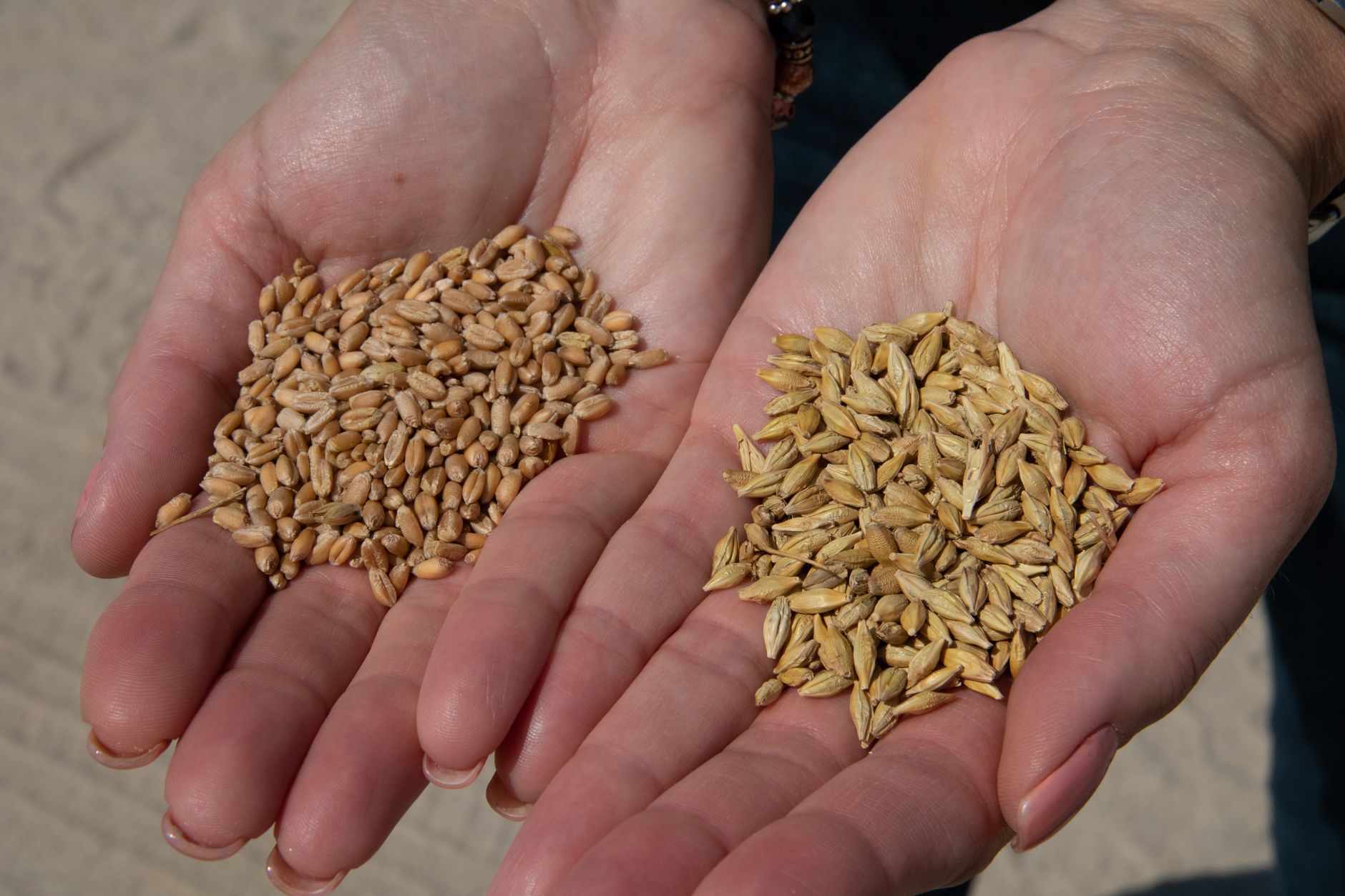
Buckwheat and rice both have a reputation as wholesome, everyday staples, but they’re actually quite different foods once you look past the “healthy grain” label. Their nutrient profiles, glycemic index, and how they behave in the kitchen all diverge in ways worth knowing before you decide which one belongs on your plate more often.
What’s actually in them
Buckwheat isn’t technically a cereal grain at all — it’s the seed of a flowering plant related to sorrel — but it’s cooked and eaten the same way. A cooked 100 g serving runs around 90-100 calories and delivers noticeably more protein than most grains, roughly 3.5-4 g per serving, along with fiber, magnesium, manganese, and rutin, a plant compound with antioxidant properties.
Cooked white rice lands in a similar calorie range, about 100-130 calories per 100 g, but with much less fiber and protein, since milling strips away the bran and germ, where most of the nutrients are concentrated. Brown rice is closer to buckwheat in this regard: it keeps the bran layer intact and contains more fiber, B vitamins, and minerals than white rice.
Glycemic index and satiety
One of the most practical points of comparison is the glycemic index — how quickly a food raises blood sugar. Buckwheat sits in the moderate range, typically 50-60, thanks to its fiber content and resistant starch. White rice runs notably higher, often 70 or above, especially the short-grain varieties used for sushi or rice pudding. Brown rice falls in between, usually around 50-55.
In practice, this means buckwheat and brown rice tend to provide steadier, longer-lasting fullness, without the sharp blood sugar spike and subsequent energy dip associated with fast-digesting carbs. For anyone watching their blood sugar, buckwheat or brown rice is generally the better default over white rice, though that doesn’t mean white rice has to be avoided entirely.
Allergens and tolerance
Buckwheat is naturally gluten-free, as is rice, so both work well for people with gluten intolerance or celiac disease. That said, buckwheat can itself trigger allergic reactions in a small number of people, so it’s worth introducing carefully the first time, especially with children.
Rice, by contrast, is considered one of the most hypoallergenic grains and is often among the first solid foods given to infants for exactly that reason. It’s also generally gentler on digestion, which makes it a go-to choice during stomach upset or recovery from illness.
Cooking and versatility
Rice is the more adaptable grain in the kitchen — it shows up in pilaf, sushi, risotto, porridge, and side dishes across nearly every cuisine, and it absorbs the flavor of spices and sauces while staying fairly neutral on its own. Buckwheat has a distinct, nutty flavor that doesn’t suit every dish, but it shines as a standalone side, in porridge, and in savory fillings.
Cooking time is roughly comparable between the two: 15-20 minutes for buckwheat and 15-25 minutes for white rice depending on the variety, while brown rice takes longer, around 35-45 minutes, because the bran layer is still intact.
So which one should you pick
If the goal is maximum fiber, protein, and minerals with a moderate glycemic load, buckwheat or brown rice comes out ahead of white rice. But white rice doesn’t deserve to be written off — it cooks faster, digests more easily, and remains a solid source of energy, particularly when paired with protein, vegetables, and healthy fats that help offset its higher glycemic index.
The most practical approach isn’t picking one grain for life, but rotating buckwheat, white rice, and brown rice through your meals — that way you get a wider range of flavors, textures, and nutrients than sticking with just one ever could.
 Share via email