Articles
Chia and Flax Seeds: Benefits
2026-03-19
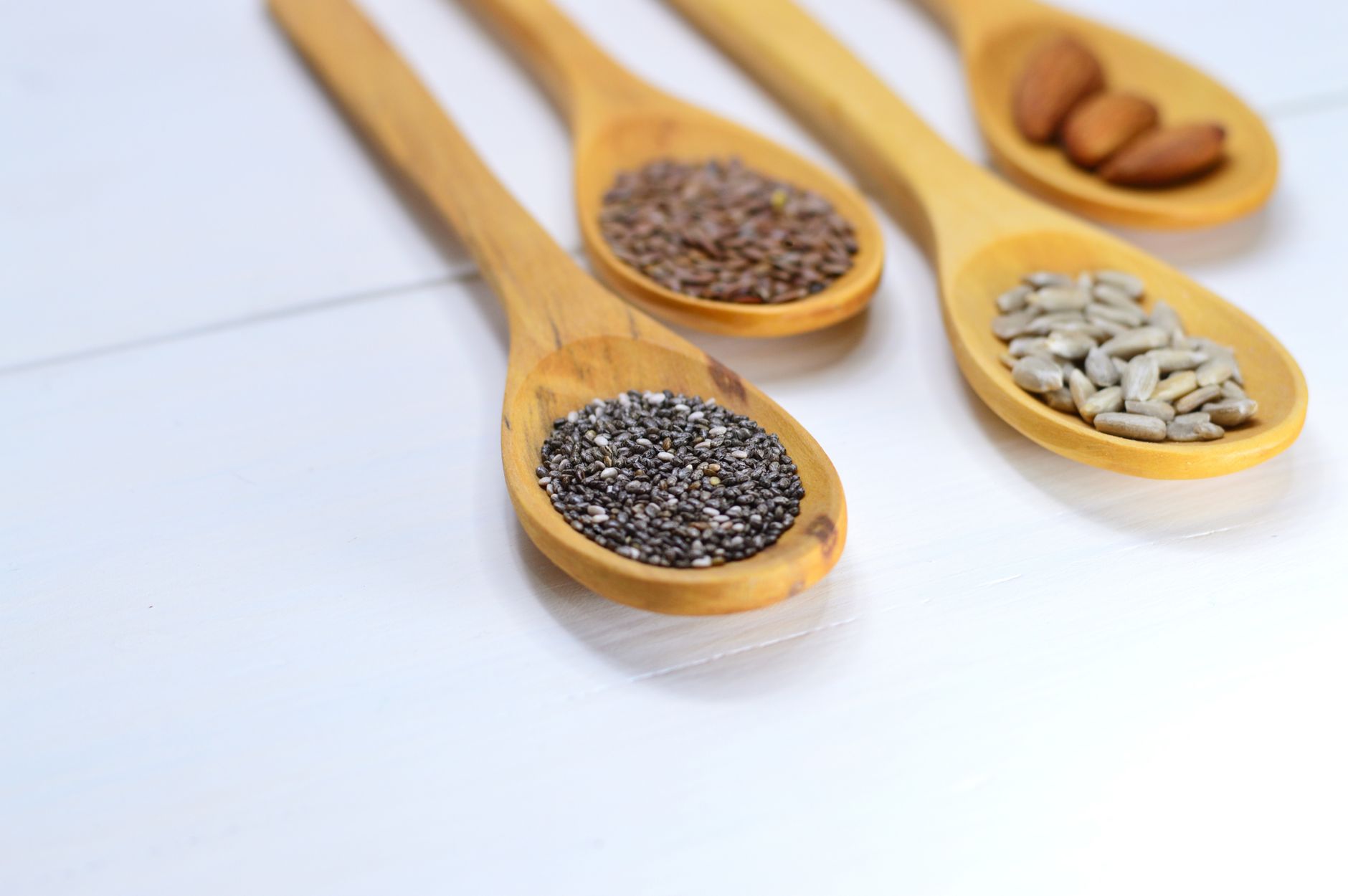
Chia and flax seeds tend to get mentioned in the same breath — both are small, unassuming, and consistently ranked among the most nutritious seeds you can add to your diet. They do have a lot in common, but there are also a few real differences worth knowing so you can get the most out of each one.
Plant-based omega-3s
Both chia and flax are among the richest plant sources of alpha-linolenic acid (ALA), a type of omega-3 fat. The body can convert some ALA into the more active forms of omega-3, though not nearly as efficiently as it uses omega-3s from fish. Still, for anyone who doesn’t eat fish regularly or follows a plant-based diet, chia and flax are a convenient way to get more of these beneficial fats into the day.
A serious amount of fiber
Both seeds are high in fiber, and both contain a mix of soluble and insoluble types. The soluble fiber is behind the gel-forming trick both seeds are known for: mix either one with water or milk, and within a few minutes the liquid noticeably thickens. That same property is what makes ground flax or chia a popular egg substitute in baking, mixed with water into a gel before going into the batter.
Flax needs grinding, chia doesn’t
One key difference between the two comes down to how the body actually absorbs them. Whole flax seeds have a tough outer shell that can pass through the digestive tract largely intact, meaning a lot of the nutrients inside never get absorbed. That’s why flax is usually recommended ground — either ground fresh right before eating or bought pre-ground and kept in the fridge so the fats don’t go rancid. Chia seeds work differently: their shell is soft enough that the body can access the fats and fiber inside even when the seeds are eaten whole.
Flax’s lignan content
Flax also stands out for its lignans, plant compounds with antioxidant properties that are structurally similar to estrogen. Flax contains far more lignans than most other plant foods, which is part of why it often comes up in discussions of hormone balance, even though there’s no firm consensus on an ideal daily amount.
Protein and minerals
Both seeds provide a decent amount of plant protein along with magnesium, phosphorus, and manganese. Chia is notable for having relatively high calcium content for a plant food, which makes it a useful addition for anyone cutting back on dairy.
Working them into meals
The easiest approach is stirring either seed into food you’re already making — yogurt, oatmeal, smoothies, or homemade baked goods. Ground flax blends well into pancake or bread batter, while chia is a favorite for pudding: soak the seeds in milk or a plant-based milk alternative for a few hours or overnight, and they turn into a dessert with a pleasantly jelly-like texture.
It’s worth starting with small amounts — a tablespoon or two a day — especially if your diet hasn’t included much fiber before. Ramping up fiber intake too quickly, without enough fluid to go with it, can cause bloating or discomfort, so it’s better to introduce these seeds gradually while drinking enough water.
A few things to keep in mind
Both seeds are generally well tolerated, though some people may have an individual sensitivity. Because of their fiber content and their tendency to absorb liquid, dry chia seeds in particular shouldn’t be eaten in large amounts without first being soaked. Anyone taking medication that affects blood clotting should check with a doctor before eating flax regularly, given its lignan and fatty acid content.
Overall, chia and flax are an inexpensive, simple way to add fiber, plant-based omega-3s, and extra protein to a diet, as long as they’re introduced sensibly and in gradually increasing amounts.
 Share via email