Articles
Garlic: Benefits and Contraindications
2026-03-22
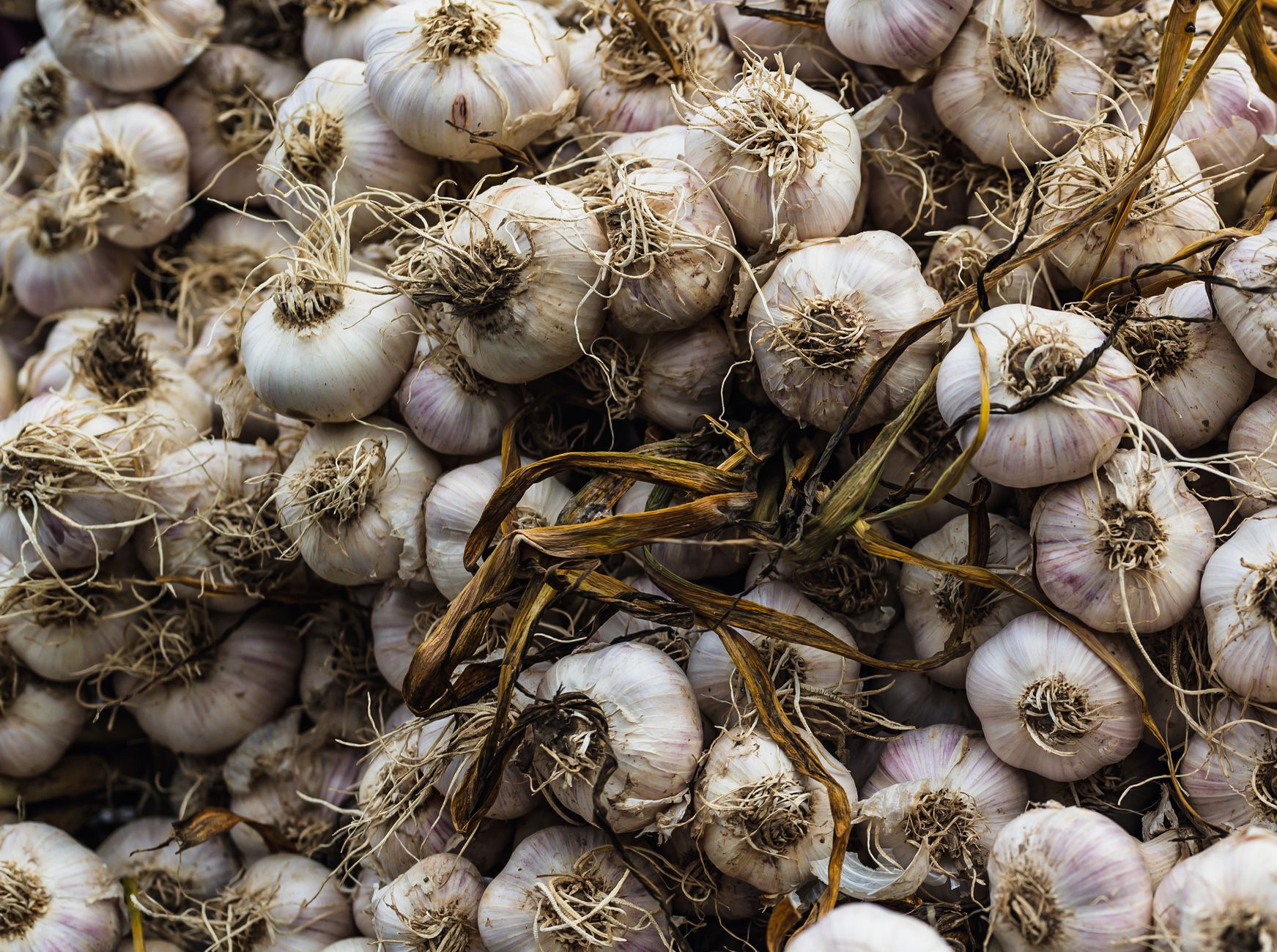
Garlic is one of the most recognizable ingredients in any kitchen, but beyond flavor, it’s long attracted attention as a food with real potential health benefits. Many of those benefits trace back to one specific compound that only forms under certain preparation conditions.
Allicin, and how to actually get it
Garlic’s key active compound, allicin, doesn’t exist in an intact clove — it forms only after the clove is damaged in some way, whether chopped, crushed, or minced. That physical damage triggers a reaction between an enzyme called alliinase and a compound called alliin, and allicin, along with its characteristic sharp smell, is the result. That’s why it’s often recommended to crush or finely chop garlic and let it sit for 5 to 10 minutes before cooking — giving the reaction time to happen before heat starts breaking down the enzymes involved.
Heart and blood vessel health
Garlic has been studied for quite a while in the context of cardiovascular health. Some research suggests regular garlic consumption may modestly lower blood pressure and contribute to a small reduction in cholesterol levels. The effect is usually not as strong as what medication can achieve, but as part of an overall healthy diet, garlic can be a reasonable addition.
Immune support and colds
Garlic has a long-standing reputation for supporting the immune system, and some studies suggest regular consumption may slightly reduce how often people catch colds. There isn’t strong evidence that garlic can treat a cold that’s already underway, but as part of a broader diet that supports immune function, it has a fair claim to a spot on the plate.
Antioxidant properties
Garlic contains sulfur compounds and other antioxidants that help the body counter oxidative stress, a process linked to cell damage and accelerated tissue aging. That’s part of why garlic often shows up on lists of generally health-supportive foods, alongside other members of the allium family like onions and leeks.
Cooking reduces the benefits
Extended cooking breaks down a good portion of garlic’s beneficial compounds, allicin in particular, which is fairly unstable when heated. Garlic added at the very start of a dish and simmered for a long time alongside everything else retains fewer active compounds than garlic added toward the end of cooking, or raw garlic used in something like aioli or a salad dressing. Anyone looking to get the most benefit might consider using at least part of the garlic in a dish raw or only lightly cooked.
Digestion and potential discomfort
Garlic can be fairly hard on the digestive system, and for some people it triggers heartburn, bloating, or general stomach discomfort, especially in larger amounts or on an empty stomach. People with irritable bowel syndrome are sometimes advised to limit garlic, since it’s high in fermentable carbohydrates (FODMAPs) that can trigger symptoms.
Contraindications and precautions
Garlic has mild blood-thinning properties, so anyone on anticoagulant medication, or facing an upcoming surgery, should talk to a doctor before consuming large amounts of garlic, particularly in supplement form. People with clotting disorders should be similarly cautious. High-dose garlic supplements can also interact with certain medications, so it’s worth checking with a healthcare provider before starting one — typical culinary amounts of garlic generally don’t raise these concerns.
For most people, garlic in ordinary cooking amounts is a safe, beneficial food worth keeping on hand, not just for flavor but for what it adds to an overall healthy diet.
 Share via email