Articles
Tofu: What It Is and How to Cook It
2026-03-30
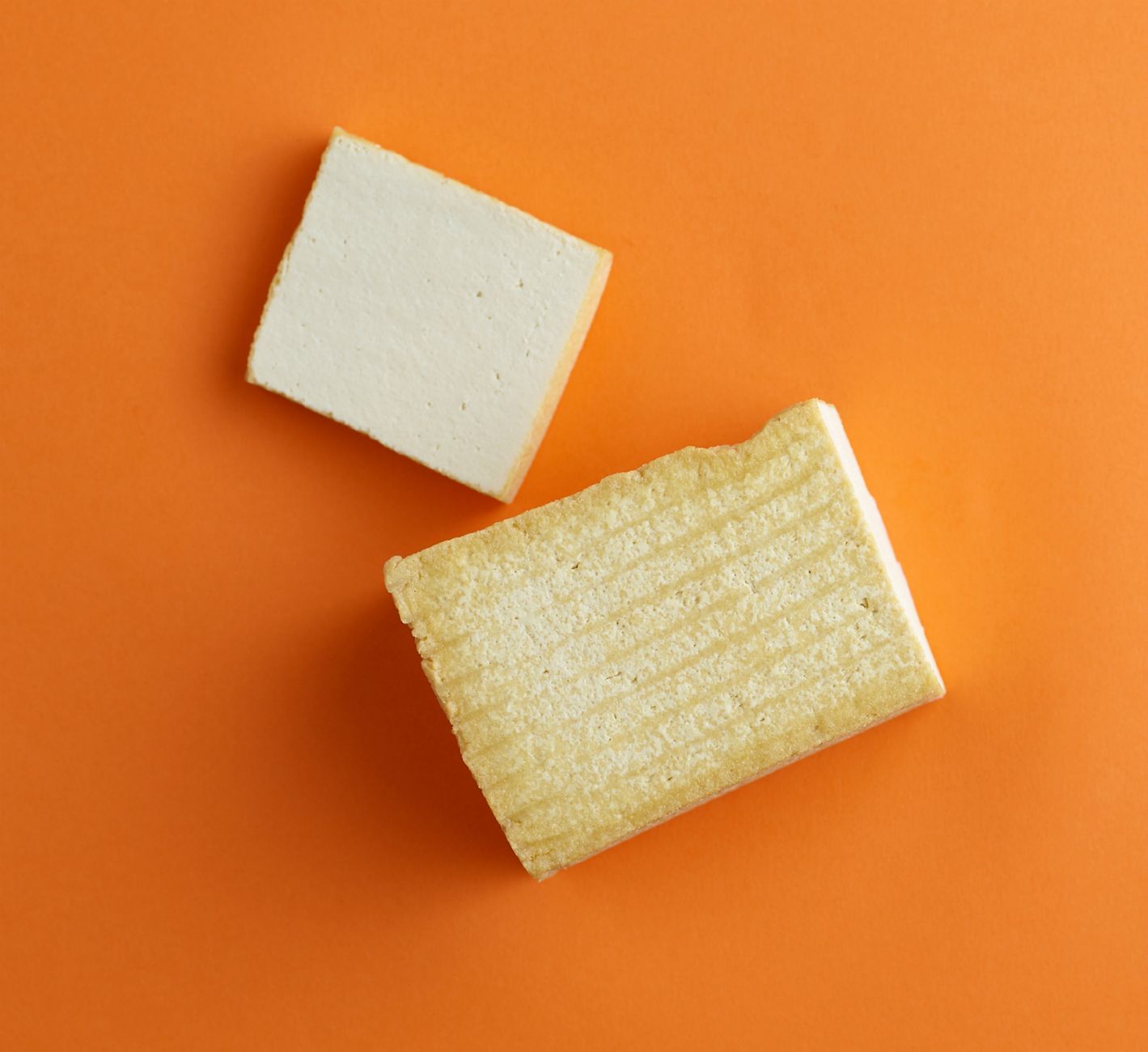
Tofu has a reputation for being bland or exotic, but it’s really neither — it’s a centuries-old food with a fairly simple production process, essentially soy milk curd, and with the right cooking approach it becomes one of the most versatile plant-based proteins you can keep in the kitchen.
What tofu is made from
Tofu starts as soy milk, made by soaking and grinding soybeans, which is then curdled using a coagulant — usually a calcium or magnesium salt, sometimes citric acid. The curds are pressed to remove the whey, and the resulting block’s density depends on how much liquid is pressed out. The process is conceptually close to cheesemaking, just with soy milk standing in for dairy.
Finished tofu has almost no flavor of its own — it’s neutral and porous, which is exactly why it absorbs marinades, sauces, and spices so readily and ends up tasting like whatever it’s cooked with.
The different types of tofu
The main thing that separates tofu varieties is density, which determines how each one is best cooked. Silken tofu is the softest and most water-rich, closer to custard in texture — it won’t hold up to frying, but it’s ideal for smoothies, sauces, desserts, and soups where it gets blended or stirred in.
Soft and medium tofu sit in between — usable in soups like miso soup, but still too delicate for high-heat searing. Firm and extra-firm tofu are the most practical for everyday cooking: they hold their shape when sliced, pan-fried, grilled, or roasted without falling apart.
Nutritional value
Tofu is a solid source of plant protein, averaging around 8 g of protein per 100 g, and it’s a complete protein containing all the essential amino acids — a rare trait among plant foods, which makes it especially valuable in vegetarian and vegan diets. It also provides calcium (particularly when calcium salts are used as the coagulant), iron, and manganese, while staying relatively light on calories, usually 70-90 per 100 g for firm tofu.
Soybeans, the base ingredient in tofu, contain isoflavones, plant compounds structurally similar to estrogen. Decades of research haven’t supported earlier concerns that moderate soy consumption disrupts hormone levels in most people, and in many East Asian countries tofu and other soy foods have remained a daily staple for centuries without any clear downside.
How to cook tofu so it actually tastes good
The biggest secret to good tofu is getting rid of excess moisture before cooking. Firm tofu benefits from pressing: wrap the block in a paper towel or clean cloth, set something heavy on top (a cutting board with a few cans works fine), and let it sit for 15-30 minutes. The drier the surface, the better it browns when cooked and the more readily it soaks up a marinade.
Once pressed, tofu can be cut into cubes or slabs and marinated for at least 15-20 minutes in soy sauce, garlic, ginger, and a little oil — its porous structure means it picks up flavor fast. Pan-fry it over medium-high heat in a little oil, resisting the urge to flip it too often so a crisp crust has time to form. Baking works well too — around 200°C (400°F) for 25-30 minutes gives a firm, slightly chewy exterior with a soft center, without needing much oil.
The bottom line
Tofu is a flexible, nutrient-dense ingredient that’s genuinely easy to cook once you match the type to the dish and remember to press out excess moisture first. Firm tofu is your go-to for frying and roasting, silken tofu belongs in sauces and desserts, and a good marinade paired with proper drying turns this famously neutral food into a real stand-in for meat or fish in almost any recipe.
 Share via email