Articles
Secrets to Tender Braised Meat
2026-04-20
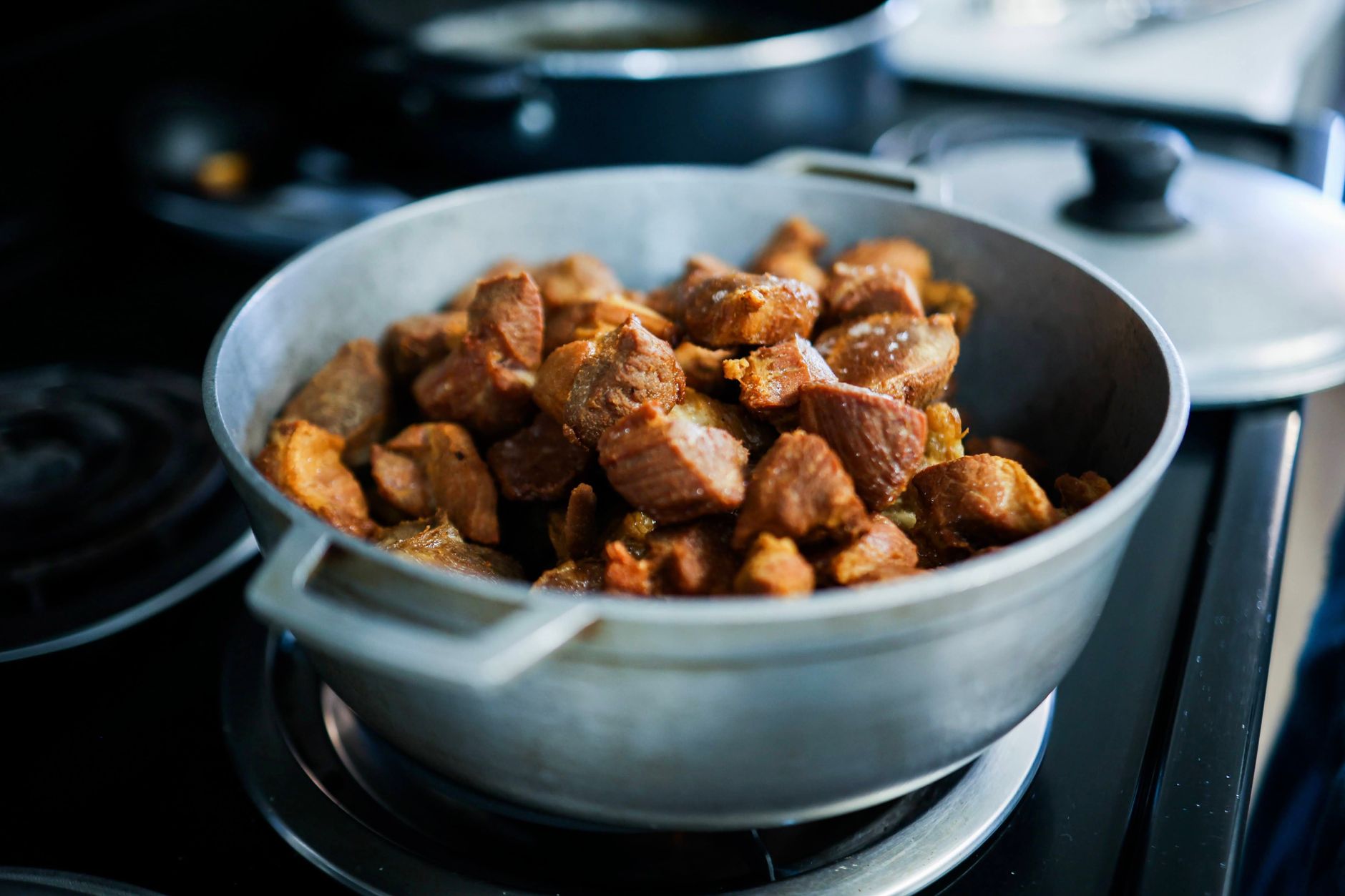
Braised meat is supposed to fall apart at the touch of a fork, but in practice it often comes out tough and dry even when the recipe was followed closely. The gap usually isn’t in the recipe itself — it’s in understanding what’s actually happening to the meat’s fibers and connective tissue over the course of a long, slow cook.
Picking the right cut matters most
Not every cut braises equally well. Braising calls for cuts with plenty of connective tissue — beef shank, chuck, brisket, or pork shoulder are classic choices. The collagen packed into these cuts is what breaks down into gelatin over long, low heat, giving the finished meat that signature silky tenderness. Lean, quick-cooking cuts like tenderloin, by contrast, only get tougher the longer they braise.
Why meat gets tougher partway through
One of the most common sources of frustration is meat that seems tougher in the middle of cooking than it did at the start. That’s a normal stage: the protein fibers tighten up from heat before the collagen has had time to fully convert into gelatin, so the meat temporarily firms up. Pulling it off the heat at that point leads to disappointment — the fix is simply to keep braising until the collagen finishes breaking down and the texture turns tender again.
Long and low beats a rolling boil
The core principle of braising is low temperature over a long time, not an active boil. A hard boil tightens the protein fibers too abruptly and squeezes moisture out of the meat, leaving it dry even if the surrounding liquid looks perfectly saucy. A bare simmer — just the faintest ripple on the surface, whether on the stovetop or in a low oven — is a far more reliable target than any kind of vigorous bubbling.
Searing first isn’t just for looks
A quick, hard sear before braising does more than build a nice crust. The Maillard reaction that happens during searing creates hundreds of new flavor compounds, many of which end up dissolved into the braising liquid over the course of cooking. Skipping this step noticeably flattens the final flavor of the dish, even if the meat itself still turns out tender.
Acid helps, in moderation
A modest amount of acid — wine, tomatoes, vinegar, or beer — doesn’t just add flavor; it also helps soften connective tissue by gently affecting the structure of collagen. The key is not overdoing it: too much acid concentrated in the first few minutes of cooking can actually firm up muscle fibers instead, which is why acidic ingredients are usually added alongside enough other liquid, like stock or water, to dilute their effect.
Enough liquid, but not too much
Meat being braised should sit roughly halfway to two-thirds submerged in liquid, not fully drowned in it. That level lets part of the meat stay above the surface and brown slightly while it cooks, and it lets the liquid itself gradually pick up flavor from the meat and vegetables, turning into a concentrated sauce rather than just diluting everything.
Patience beats the timer
Different pieces of meat, even from the same cut, can cook at different rates depending on the animal’s age, the size of the piece, and the exact oven temperature. It’s far more reliable to judge doneness by prodding the meat with a fork for tenderness than to follow a recipe’s cook time to the letter — if the meat is still resisting the fork, it needs more time, whatever the recipe says.
Let it rest before serving
Once braised meat comes off the heat, it benefits from resting for ten to fifteen minutes so the fibers can relax and the juices redistribute evenly through the piece. Cutting or shredding it straight off the stove loses more juice and can make the meat seem drier than it actually is.
With these few principles in place, it gets much easier to hit consistently tender results with braised meat, whatever specific recipe is on the table.
 Share via email