Articles
Time-Saving Kitchen Hacks
2026-04-21
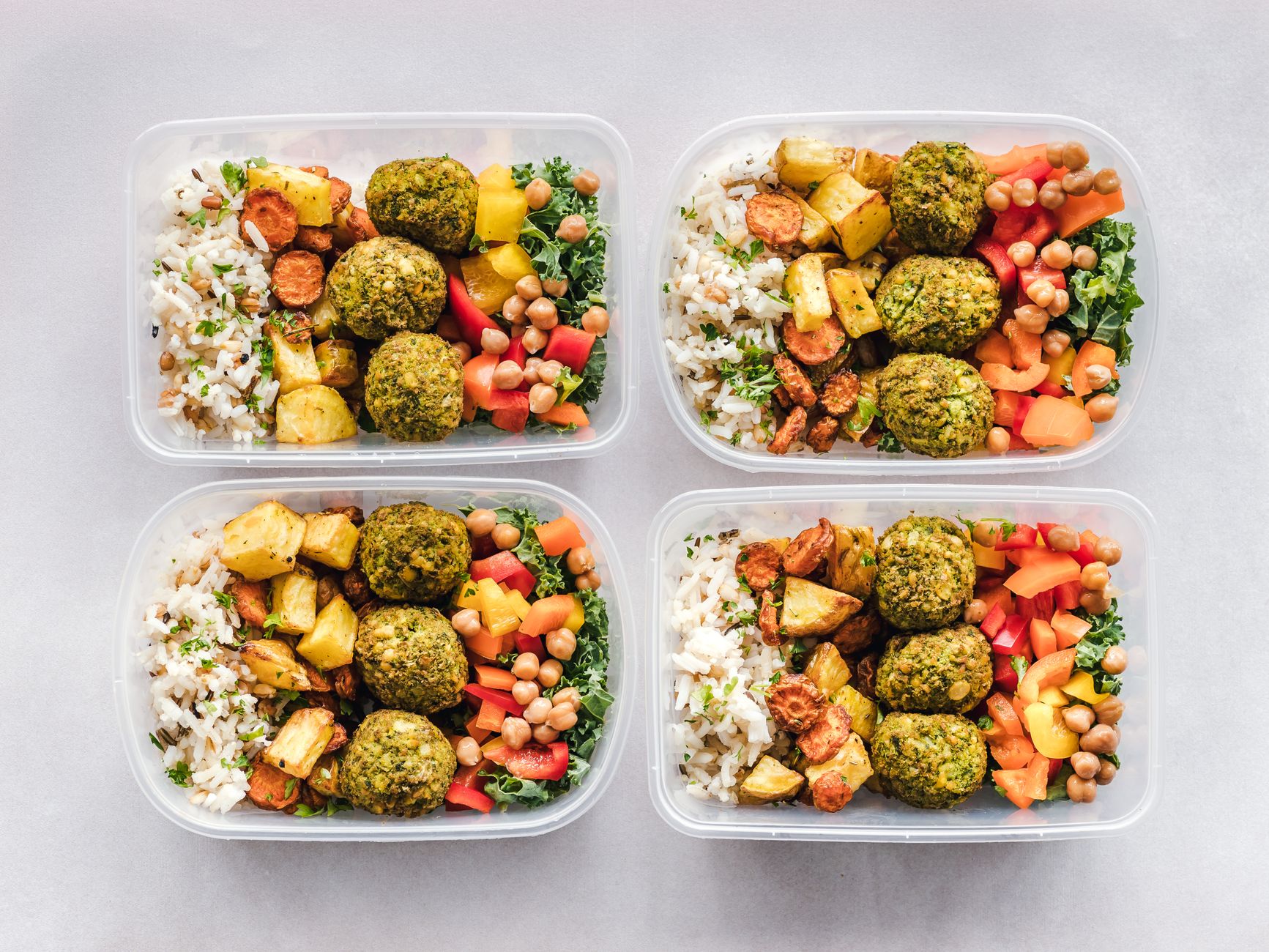
Cooking every day takes up more time than it seems, unless there’s at least some kind of system in place. The good news is that saving time in the kitchen doesn’t require becoming a perfectly organized chef — a handful of simple habits add up to a real difference over the course of a week.
Batch-prep ingredients ahead of time
One of the most effective habits is setting aside an hour or two once a week for basic prep work. Washed and chopped herbs, cooked grains, rinsed and cut vegetables for salads, or pre-chopped stir-fry mix sitting in containers in the fridge cut weeknight cooking time dramatically. There’s no need to cook fully finished meals for the whole week — just skipping the washing and chopping from scratch saves 15-20 minutes per meal.
Keep a set of “fast” proteins on hand
Frozen chicken breast, canned beans or chickpeas, eggs, and ready-to-eat cottage cheese are all things that turn into a real meal with almost no prep. Having a couple of these on hand makes it much easier to pull together dinner in 15-20 minutes, even with zero planning ahead of time.
Set up your workspace before you start
Pulling out all the ingredients and tools you’ll need before you start cooking — a habit known as mise en place — saves time not by speeding up the actual steps, but by removing the need to stop mid-recipe to hunt for a forgotten spice or a cutting board. This helps most with dishes that have several things happening at once.
Use one knife and one board smartly
A lot of time gets lost not in the cutting itself but in switching tools and washing hands repeatedly. Chopping everything that doesn’t require washing the knife in between first — all the vegetables in a row, say — before moving on to meat or fish cuts down on that switching time noticeably.
Cook bigger batches on purpose
This isn’t about eating the same dish all week with no variety — it’s about doubling or adding half again to a pot of soup, stew, sauce, or a grain side whenever you’re already cooking one, so the extra portion goes into the freezer or covers tomorrow’s lunch. The extra effort between cooking one portion and one and a half is minimal, while the time saved down the line is significant.
Let appliances do the work
A blender, slow cooker, or an oven set to roast can cook “on their own” in the background while you handle other things. Braising meat in a slow cooker or roasting vegetables in the oven doesn’t require standing over the stove the way pan-frying does — that freed-up time can go anywhere else.
Clean as you go, not after
Washing dishes and wiping down the counter while cooking, rather than afterward, saves time less on the cleanup itself and more on the mental resistance before the next meal — walking into a clean kitchen is a much easier start than facing a sink full of dirty dishes.
Plan meals even a few days out
Even a rough plan for the next three or four days removes the daily “what should I cook” question and lets you shop for everything in one trip instead of running to the store every other day. A shopping list built around a meal plan also cuts down on impulse buys and extra trips.
None of these habits require special equipment or a big lifestyle shift — the trick is introducing them one at a time, so they actually stick and start saving real time instead of turning into one more chore.
 Share via email