Articles
Spring Produce: What's New at the Market
2026-04-27
After a long winter when the produce aisle is mostly root vegetables and long-storage cabbage, spring brings the first wave of fresh greens and young vegetables. These aren’t just a welcome change of pace on the plate — they mark the turn of the season well before summer tomatoes and berries show up.
Radishes — the first sign of spring
Radishes are usually one of the first spring vegetables to hit the market, often as early as April. A good radish should feel firm with no soft spots or cracks, and the greens, if still attached, should look fresh and crisp rather than wilted — limp greens are a reliable sign the radish has been sitting around for a while. Young radishes are great in salads, but they’re just as good simply sliced with butter and salt, a classic spring pairing.
Spinach and other early greens
Spinach, arugula, sorrel, and young lettuce are among the first leafy greens ready for harvest in spring, since they tolerate cool weather well and grow quickly this time of year. Look for deep, even green color with no yellowing or wilted edges as the main sign of freshness. Sorrel stands out for its distinctive tartness, which makes it a natural base for spring soups.
Baby carrots and beets
Unlike root vegetables that have been in storage all winter, young carrots and beets have noticeably thinner, more tender skin and a sweeter flavor. They’re often sold in bunches with the tops still attached — fresh, non-yellowed tops are a good sign of a recent harvest here too. Young roots don’t need long cooking times and don’t require the thorough peeling their winter counterparts do.
Asparagus
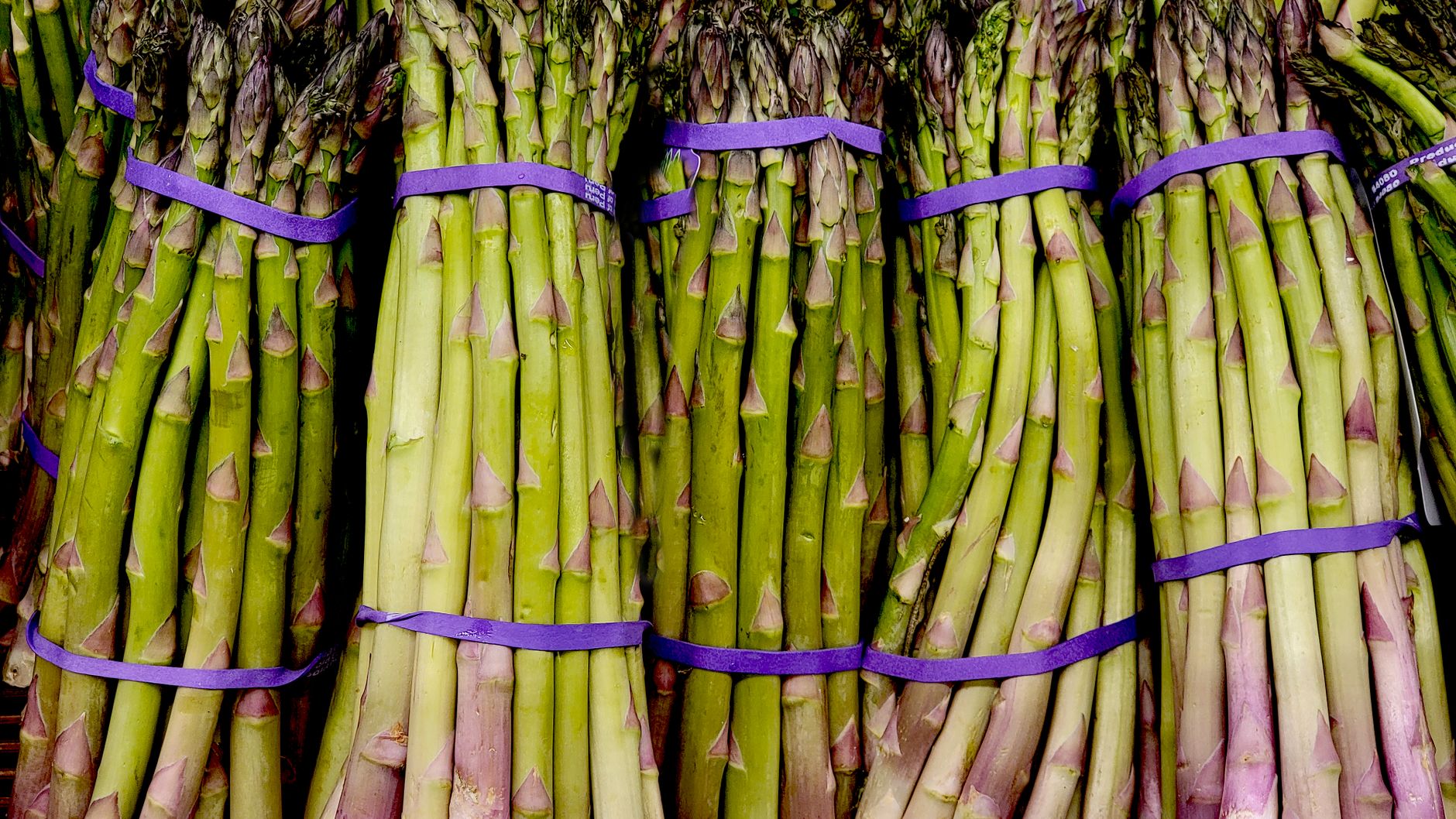
Asparagus is one of the most defining spring vegetables, with a fairly short season. Good asparagus has firm, springy stalks with tightly closed, not-wilted tips, and the cut end should look fresh rather than dried out. Thinner stalks tend to be more tender, though thick stalks can be excellent too when cooked properly.
Rhubarb
Rhubarb stands apart from the rest of the spring lineup — technically a vegetable, it’s used almost exclusively like a fruit, mostly in baking and desserts, thanks to its sharp tartness. Stalks should be firm and reasonably vivid in color, whether red, pink, or greenish — the color depends on the variety and isn’t a direct sign of ripeness. It’s worth remembering that only the stalks are edible — rhubarb leaves are toxic and never used in cooking.
Green onions and ramps
Green onions taste especially fresh and sharp in spring, and in many regions ramps (wild leeks) make a brief appearance around the same time, offering a garlicky aroma with a milder, greener flavor than regular garlic. Ramps are best bought right before cooking, since the leaves wilt and lose their aroma quickly in storage.
How to shop for spring produce
The general rule for spring greens and early vegetables is that the fresher the item, the crisper and more vivid it looks — any sign of wilting or drying out means it’s been sitting for a while. Spring produce generally doesn’t keep as well as winter root vegetables, so it’s better to buy with the next few days in mind rather than stocking up.
Green peas and young green beans
Toward the end of spring, fresh peas in the pod start showing up at markets — pick pods that feel firm and look bright, with peas inside that are small rather than overgrown, since overgrown peas turn starchy and lose some sweetness. Young green beans around the same time have thin, easily snapped pods with no noticeable strings running through them, a good sign they haven’t toughened up yet.
Why seasonality is worth paying attention to
Buying vegetables and greens right in season makes sense for more than just flavor. Seasonal produce tends to be cheaper, since it doesn’t need long storage or transport from far away, and it usually beats out-of-season options — grown in a greenhouse or shipped from another continent — on both taste and texture. Early spring greens also typically reach the market much faster after harvest than long-storage vegetables do, which shows up in both flavor and nutritional value.
Storing spring produce at home
Most spring greens keep best in the fridge wrapped in a damp towel or in a perforated bag, which helps them stay crisp for a few extra days compared to storing them loose and exposed. Asparagus does well stored upright in a glass with a little water, like a bouquet of flowers, which keeps the stalks from wilting as quickly. Radishes and young root vegetables are best separated from their greens if they’ll be stored more than a day or two, since the greens keep pulling moisture out of the root even after harvest.
 Share via email