Articles
Natural Honey: Spotting Fakes
2026-05-03
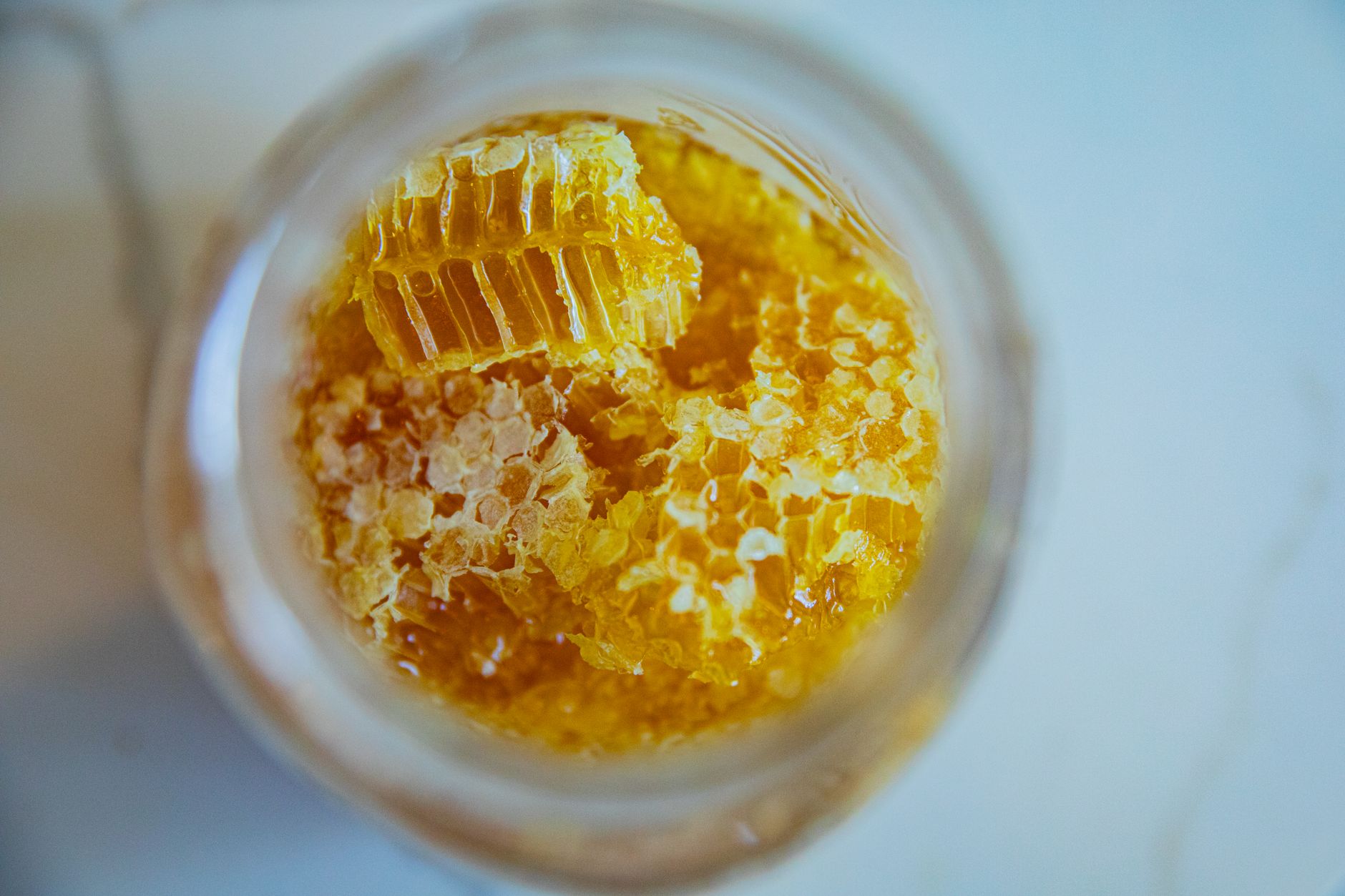
Honey is one of the most commonly adulterated foods on the market. The reason is straightforward: real honey is labor-intensive to produce and depends heavily on season and weather, while sugar or starch syrup is cheap and can look deceptively similar. Without a lab test, there’s no foolproof way to catch every case of adulteration, but a handful of signs can help you rule out the most obvious fakes.
Why honey gets faked in the first place
The most common trick is cutting honey with cheap syrups — from beet sugar, corn, or invert sugar — or selling something that’s mostly syrup with just a trace of real honey mixed in, purely to stretch volume and cut costs. There’s also a subtler issue with unripe honey: some beekeepers extract it before the bees have finished reducing its moisture content and capping the comb, which leaves a product that ferments faster and doesn’t keep as well.
Start with the source and the label
The single most reliable way to avoid fakes is buying from a source you can actually trace — a beekeeper you know, a farmers’ market stall selling directly, or a supplier with a track record and reviews. On packaged honey, check the ingredient list: if it includes sugar, syrup, molasses, or other sweeteners alongside honey, it’s a blend rather than pure honey, no matter how prominently the word “honey” is printed on the front.
Home checks worth doing (with caveats)
A few simple observations can give useful hints, though none of them replace a lab analysis on their own.
Thickness and flow. Real, properly ripened honey drips slowly off a spoon in a thick, continuous ribbon and tends to fold into a small mound on the surface rather than spreading out instantly. Honey that’s noticeably thin and watery may have been harvested too early or diluted.
Smell and taste. Genuine honey usually has a distinct, layered aroma — floral or herbal, sometimes with a faint bitterness on the finish, depending on the flower source. Syrup-based fakes tend to smell almost neutral and taste like plain sweetness without much depth.
The water test. Dropping a spoonful of honey into a glass of cold water is a common home check: real honey tends to sink and hold together as a dense blob, dissolving gradually rather than dispersing into the water right away. Treat this as a rough indicator rather than proof — water temperature and the specific honey variety both affect the result.
Crystallization is normal, not a defect
One of the most persistent myths is that crystallized honey has gone bad or isn’t real. In fact, crystallization is a natural process driven by the ratio of glucose to fructose in a given honey variety and by storage temperature. Many varieties — sunflower and buckwheat honey, for instance — start crystallizing within weeks of harvest, and it doesn’t affect quality at all. If anything, honey that stays perfectly liquid at room temperature for years is more worth questioning than honey that’s crystallized.
Tests to be skeptical of
You’ll sometimes see advice online about testing honey with iodine, burning a drop on a match, or dripping it on paper to see how fast it soaks in, with the claim that these reveal adulteration by color change or absorption speed. In practice these tests are unreliable — too many unrelated factors affect the outcome — so they shouldn’t be treated as decisive evidence either way.
The practical takeaway
The most reliable approach combines common sense with a trustworthy source. Pay attention to texture, smell, and taste, don’t be put off by crystallization, ask sellers about where the honey comes from, and if you have serious doubts, weigh the reputation of the producer more heavily than any single home test.
 Share via email