Articles
May 9 Victory Day Menu
2026-05-06
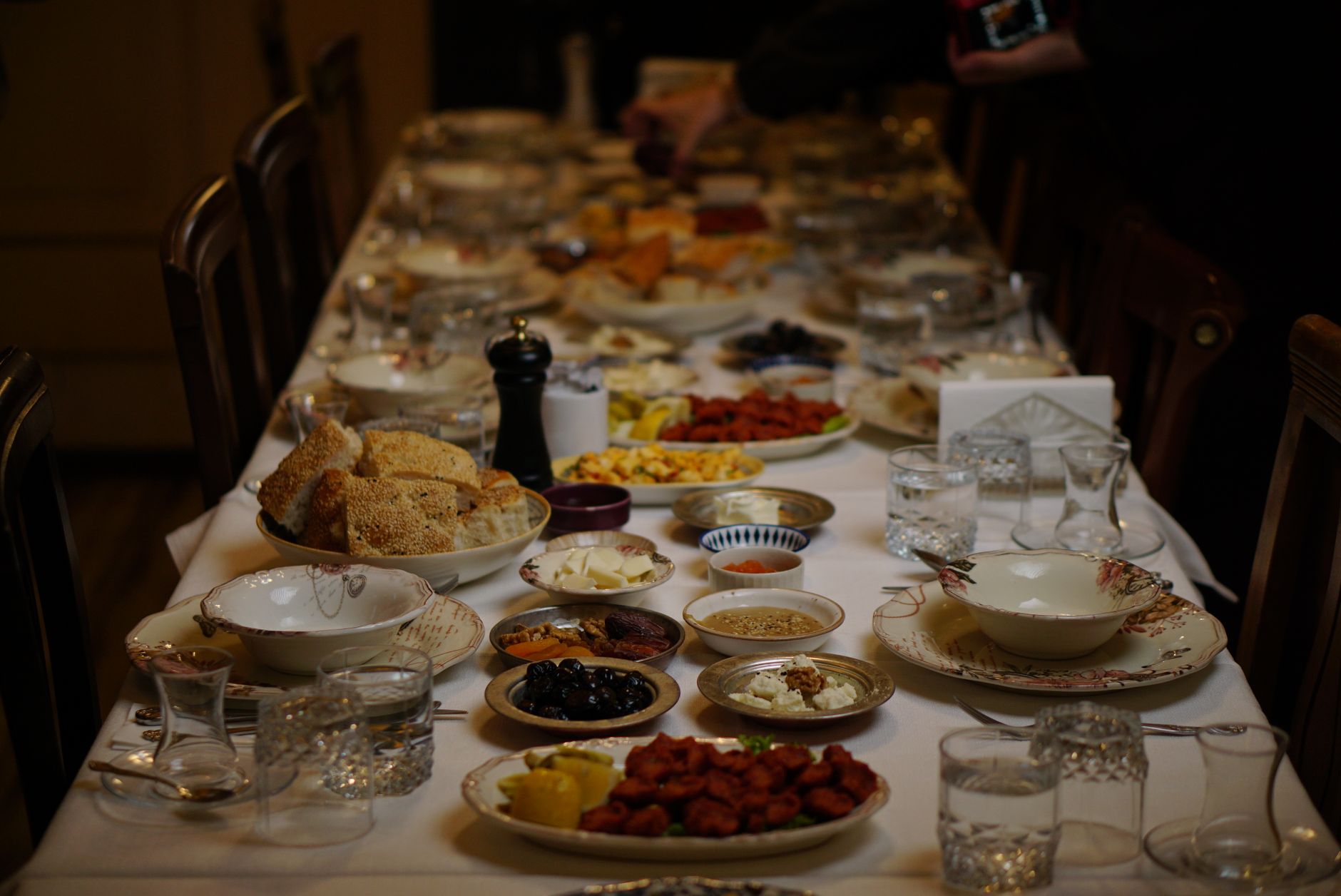
May 9, Victory Day, is a date when several generations of a family often end up around the same table — some arriving home after a parade or laying flowers at a memorial, others gathering in front of a television broadcast. The food on this day usually isn’t about elaborate cooking; it’s about warmth and simplicity, dishes tied to memory, to stories told by grandparents, and to the sense that this particular day deserves to be spent together.
A table meant for every generation
Victory Day spreads are typically planned so that everyone, from the oldest relatives to the youngest kids, feels at home at the table — nothing overly technical, just dishes that most people already love: salads, a hot main, some baking. Many families cook the same things their own grandparents served on this day. It’s less a strict culinary tradition and more a way of keeping memory alive through familiar, comforting flavors.
Starters and salads
The starter course looks much like any other Russian family holiday: a classic Olivier salad, herring under a fur coat, pickled vegetables like sauerkraut and cucumbers, and platters of cold cuts or fish. The advantage of these dishes is that they can be made a day ahead, which frees up the holiday itself for time with family rather than time in the kitchen.
A hot dish that nods to wartime simplicity
For the main course, many families lean toward something hearty and plain — a nod to field-kitchen cooking and wartime frugality: buckwheat porridge with stewed meat, mashed potatoes with meat patties, or a rich, filling soup. It’s not meant as a strict historical recreation so much as a symbolic gesture — a small reminder of how soldiers ate and how modestly the country lived through those years, paired with gratitude that today’s table can be so much fuller.
Bread, and why it matters here
Bread often holds a special place on the Victory Day table — less a side dish than a symbol in its own right. Dark rye bread, simple pies filled with potato, cabbage, or meat, fit naturally into the day’s mood: filling, easy to make in large batches, and easy to share around a crowded table.
Something sweet, and tea
The day usually winds down with tea and homemade baking — honey cake, apple charlotte, or a simple berry sponge. None of it requires advanced technique, but it adds to the feeling of a proper family holiday, especially if the kids help with the baking.
A moment of quiet at the table
Beyond the food, the Victory Day table often carries its own small ritual: a moment of silence for those who didn’t come home, a toast to veterans, a conversation about relatives who lived through the war. Many families spend part of the day looking through old photographs and listening to stories from the oldest at the table — and it’s that part of the gathering, more than the food itself, that gives the day its meaning.
Planning ahead
The easiest way to keep the day relaxed is to prepare everything that keeps well in advance — the salads, the pickles, the baking — and leave just the hot dish and final table setup for the day itself. That leaves more time for conversation, a walk to watch the parade, or gathering to see the fireworks together.
Victory Day is a holiday where food plays a supporting role. It gives people a reason to gather, but what actually makes the day matter is the memory and gratitude the table simply helps everyone share.
 Share via email