Articles
Avocado: How to Pick a Ripe One
2026-05-07
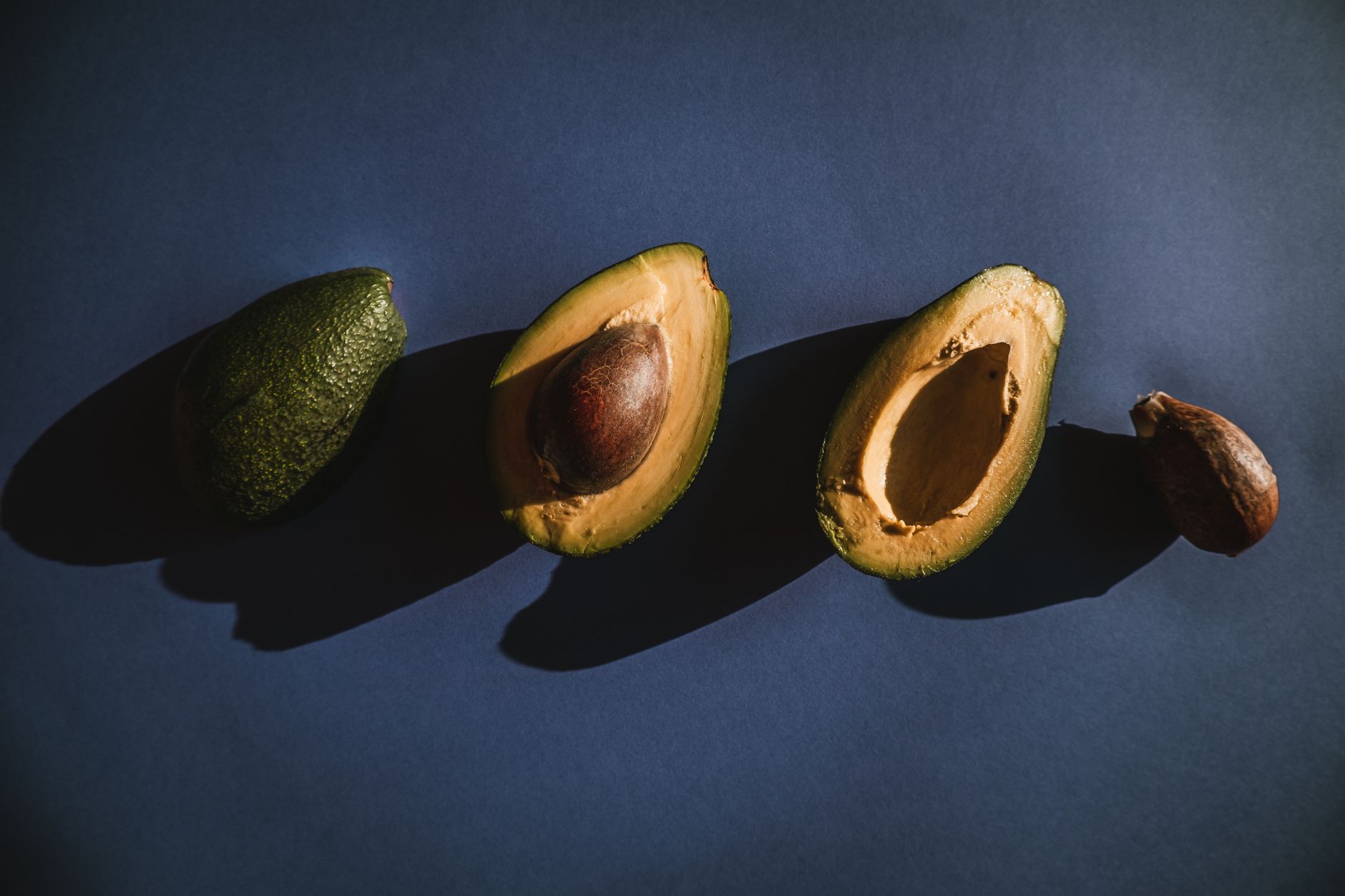
Avocado is an easy fruit to buy wrong. An underripe one is rock-hard and flavorless, while an overripe one turns into a dark, stringy mess with an off taste. The good news is that judging ripeness is straightforward once you know which cues actually matter.
Color isn’t the whole story
A lot of people default to judging avocados by skin color, but that only works for some varieties. Hass avocados, the most common type, really do darken as they ripen, shifting from bright green to a deep purplish-black. Smooth-skinned varieties, though, stay green regardless of ripeness, so color alone isn’t a reliable signal — and on some varieties the skin barely changes at all.
The squeeze test
The most dependable check is a gentle squeeze in the palm of your hand, not with your fingertips (fingertip pressure leaves bruises in the flesh). A ripe avocado gives slightly under light pressure and springs back. One that feels rock solid isn’t ready yet, and one that dents deeply and stays dented is likely overripe.
The stem trick
A more precise method, one produce staff often use, is to flick off the small dry stem at the top of the fruit. Bright green underneath means the avocado is ripe and ready to eat. A brown or dark color under the stem signals it’s overripe. If the stem won’t budge easily, or the flesh underneath is pale and almost white, the fruit still needs time.
Ripening one at home
A firm avocado ripens nicely at room temperature within 2-5 days. You can speed this up by putting it in a paper bag with a banana or an apple — both release ethylene gas, which triggers ripening. Avoid sealing it in an airtight plastic bag, though; without airflow, the fruit is more likely to spoil than to ripen properly.
Storage tips
Keep unripe avocados on the counter, not in the fridge — cold temperatures slow ripening and can stall it altogether. Once an avocado is ripe but you’re not ready to eat it, moving it to the fridge buys a few extra days at peak ripeness.
Cut avocado browns quickly once it hits the air, due to oxidation. A splash of lemon or lime juice on the cut surface slows this down, and pressing plastic wrap directly against the flesh — leaving no air gap — helps too. Keeping the pit in the half you’re storing also seems to slow browning slightly, though the lemon juice and plastic wrap do most of the work.
Why it’s worth eating
Avocado stands out among fruits for its fat content, but most of that fat is monounsaturated — the same kind found in olive oil — which is generally considered supportive of heart health as part of a balanced diet when eaten in moderation. It’s also a solid source of dietary fiber, which helps with satiety and digestion, and potassium, a mineral many people don’t get enough of.
Ways to use it
Avocado goes well beyond guacamole — it works on toast, in salads, blended into smoothies, and even in baking as a partial substitute for butter. Its smooth, creamy texture makes it a convenient base for dairy-free sauces, and its mild, faintly nutty flavor pairs well with both savory add-ins like lime and chili and sweeter ones like honey or cocoa.
Common mistakes to avoid
One common mistake is buying avocados already ripe when you don’t plan to eat them for a day or two — it’s better to buy them firm and let them ripen on your own counter. Another is judging quality by size alone: a bigger avocado isn’t necessarily riper or better, since firmness and the color under the stem tell you far more than how large the fruit is. And it’s not worth worrying over a few small dark spots on the skin — they’re almost always cosmetic and don’t affect the taste or safety of the flesh underneath.
 Share via email