Articles
How to Properly Store Spices
2026-05-15
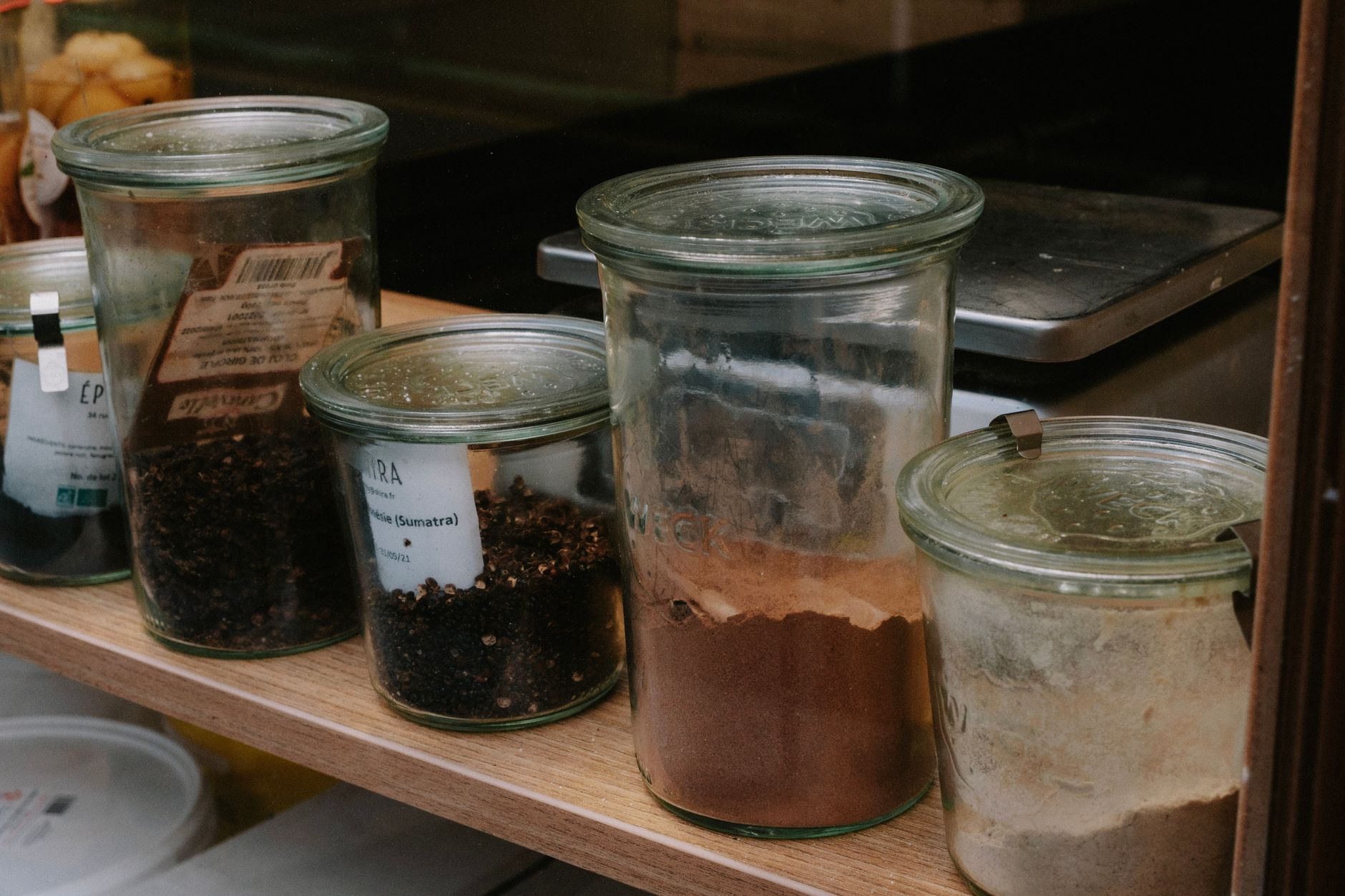
Spices rarely spoil in the way most food does — they don’t grow mold or go rancid in the usual sense. But they steadily lose flavor and aroma, and it happens faster than most people expect, especially if the spice jars are sitting somewhere they shouldn’t be.
The three enemies of flavor: light, heat, and moisture
Three things strip flavor from spices faster than anything else: direct light, heat, and moisture. Light breaks down the essential oils responsible for aroma, heat speeds up their evaporation, and moisture causes clumping and texture loss, especially in ground spices. That’s exactly why the shelf above the stove — a spot that seems convenient — is actually one of the worst places to keep spices, since it catches both heat and steam from whatever’s cooking.
Where spices actually belong
The ideal spot for spices is a dark, cool, dry cabinet well away from the stove, oven, and dishwasher. A drawer or closed cupboard beats an open shelf mainly because it blocks out light. If your spices live in clear glass jars, keep them behind a closed door rather than on display — open shelving looks nice, but it works against keeping spices fresh.
Ground spices vs. whole spices
Ground spices lose their flavor noticeably faster than whole ones, because grinding increases the surface area through which essential oils can evaporate. Whole spices — peppercorns, cinnamon sticks, whole nutmeg — hold onto their flavor for far longer and release it fully once ground right before use. If it’s practical, a small spice grinder or mortar and pestle makes it easy to grind spices as needed instead of buying them pre-ground.
Shelf life: a guideline, not a hard rule
Ground spices generally keep good flavor for 6-12 months, whole spices for 2-4 years, and dried herbs fall somewhere in between, around 1-3 years. These numbers are rough — a spice doesn’t become unsafe once the time is up, it just gradually loses potency. A better test than the purchase date is your own nose: rub a bit between your fingers, and if the aroma is faint or barely there, it’s time to replace it.
Glass jars beat plastic bags
Spices bought in bulk or in plastic packets are worth transferring into airtight glass jars with tight-fitting lids as soon as you get them home. Glass doesn’t absorb odors and doesn’t let air through the way plastic packaging does over time, and a tight seal keeps out moisture and stray kitchen smells. Smaller jars are actually more practical than large ones for this — the less air trapped inside when the lid is closed, the slower the aroma fades.
A special case: the fridge and freezer
For most spices, the refrigerator isn’t necessary and can even work against you — the temperature swings from opening the door create condensation, which leads to clumping. The exception is a handful of more delicate items, like ground paprika with a high oil content or certain seeds that turn rancid quickly at room temperature — these are sometimes better kept in the fridge or even the freezer, particularly in a hot climate.
Spices by the stove: convenience vs. shelf life
Plenty of people keep spices right next to the stove simply because it’s convenient — nobody wants to cross the kitchen for salt or paprika mid-recipe. A reasonable middle ground is keeping only the spices used almost daily within arm’s reach, and buying those in small amounts so they don’t sit around too long in less-than-ideal conditions. The rest of the collection, used less often, is better off in a dark cabinet, even if that’s slightly less convenient to reach.
Homegrown herbs from the windowsill or garden
If herbs are grown at home — basil or dill on a windowsill, say — they can be dried and stored by the same rules as store-bought spices: somewhere dark, cool, and airtight, away from heat sources. It’s best to dry fresh herbs in the shade rather than direct sun, since light breaks down essential oils just as effectively during the drying stage as it does in long-term storage.
A simple system that works
Organizing spice storage doesn’t take much: a closed, dark cabinet away from the stove, small airtight jars, and the occasional sniff test cover most of what matters. It also helps to label jars with a purchase or repackaging date, so there’s no guessing how long something has been sitting there, and to do the occasional cleanout, clearing away anything that’s long since lost its aroma.
 Share via email