Articles
Sugar Substitutes for Recipes
2026-05-17
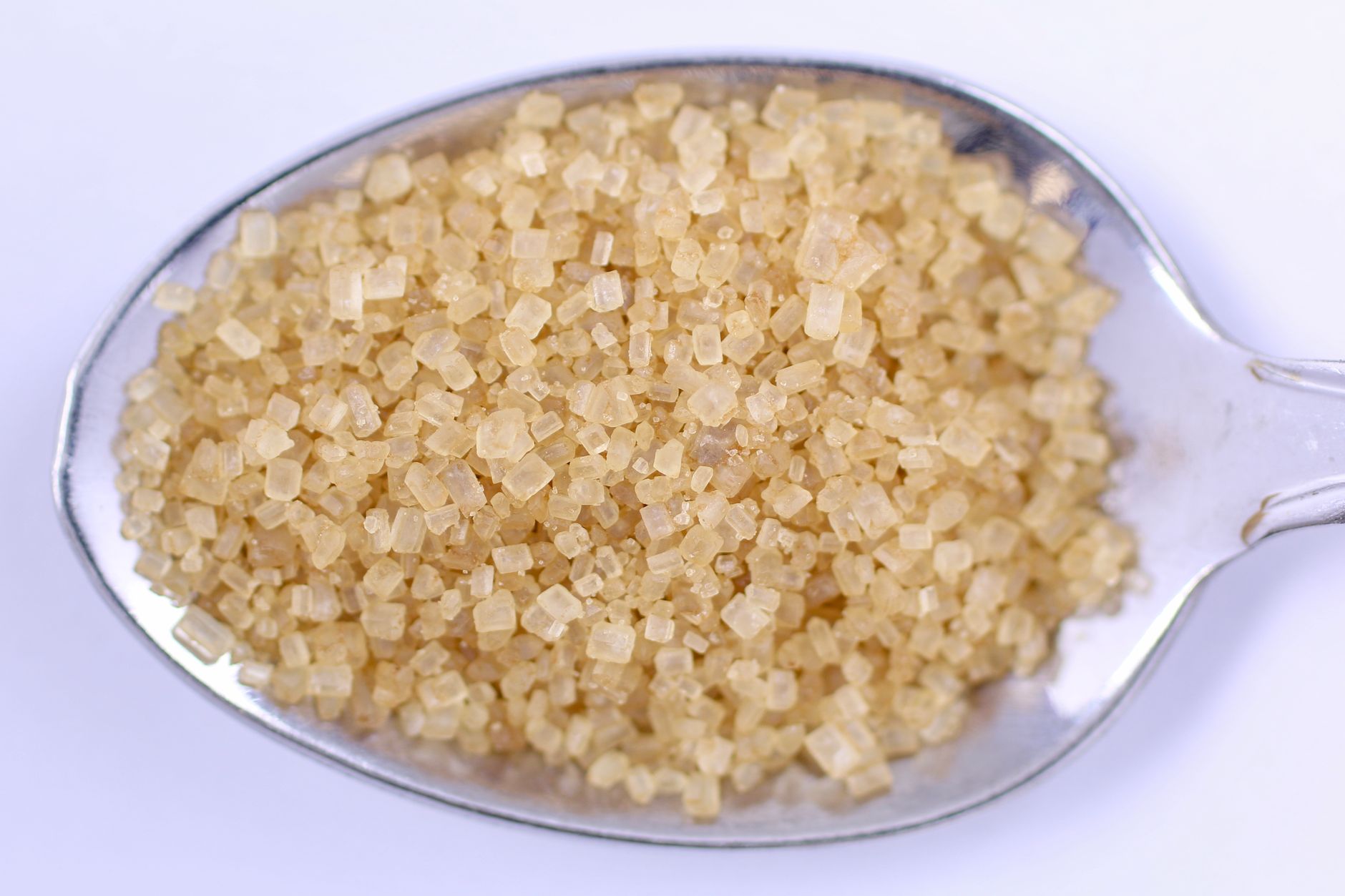
Cutting back on sugar usually runs into a practical question: what do you actually replace it with in a given recipe without wrecking the flavor or texture. Different sugar substitutes behave in very different ways, and there’s no single swap that works everywhere.
Honey: sweetness with a flavor of its own
Honey is roughly 20-25% sweeter than sugar by volume, so recipes typically call for a bit less of it than the sugar it’s replacing. It also brings its own flavor — anywhere from mild in light varieties to distinctly floral or earthy in darker ones — which is worth considering in delicately flavored dishes. Honey is also a liquid, so when substituting it in baking, the other liquid ingredients in the recipe are usually scaled back slightly.
Maple syrup: behaves a lot like sugar
Maple syrup is a touch less sweet than sugar and carries a mild caramel note that pairs well with baked goods, oatmeal, and nut-based desserts. Like honey, it’s liquid, so it calls for a small adjustment to the rest of the liquid in a recipe, but overall it behaves predictably and rarely overwhelms other flavors.
Dates and date paste
Chopped dates or date paste are a good option for anyone who wants to swap sugar for a whole-food ingredient rather than a concentrated syrup. Dates bring fiber along with sweetness and work especially well in energy bars, smoothies, and dense baked goods like brownies, where their texture helps bind the other ingredients. In lighter baking, like sponge cake, date paste can make the crumb denser than expected.
Erythritol and other sugar alcohols
Erythritol is one of the most popular near-zero-calorie sugar substitutes, close to regular sugar in sweetness and generally well-behaved in baking, including browning and caramelization. In larger amounts, sugar alcohols can cause digestive discomfort for some people, so it’s worth starting with a small portion, especially the first time trying a new product.
Stevia: a concentrate, not a one-to-one swap
Stevia is many times sweeter than sugar, so it can’t be substituted by volume — recipes typically call for a much smaller amount, and the exact ratio is usually printed on the specific product’s packaging. Some forms of stevia carry a faint bitter aftertaste, especially at higher concentrations, so it’s worth starting with less and tasting as you go, adding more only if needed.
How substitutes affect baked texture
Sugar in baking does more than sweeten — it holds onto moisture, helps a crust brown through caramelization, and shapes the structure of the batter. That’s why swapping in a low-calorie sweetener can shift the texture of the finished product, sometimes leaving it drier or paler on the outside than expected. Liquid substitutes like honey or maple syrup tend to give more predictable results in baking than dry sweeteners, which behave quite differently from sugar structurally.
Fruit purée as a natural sweetener
Applesauce or mashed banana are another way to cut back on added sugar, especially in muffins, quick breads, and pancakes. Beyond sweetness, purée adds moisture and helps keep the finished bake soft, so the amount of oil or butter in the recipe can often be trimmed slightly when using it. The trade-off is that purée brings its own noticeable flavor — banana or apple — which doesn’t suit every recipe.
Should you worry about glycemic index
Glycemic index — how quickly a food raises blood sugar — often comes up when comparing sweeteners. Honey and maple syrup aren’t much lower than table sugar on that scale, while erythritol and stevia sit close to zero, since the body barely metabolizes them as a glucose source. Still, glycemic index alone isn’t the whole story — portion size and what else is in the dish affect the body’s response just as much as the type of sweetener used.
Choosing the right substitute
The best choice really depends on what matters most in a given recipe: for keeping the familiar texture of a baked good, honey or maple syrup are the safer bet, while erythritol or stevia make more sense when the priority is cutting calories. Smoothies, oatmeal, and drinks are forgiving enough for almost any of these substitutes, but delicate baking like sponge cakes or meringues is worth testing ahead of time, since that’s where differences between sugar and its substitutes show up the most.
 Share via email