Articles
How to Marinate Meat for Grilling
2026-05-19
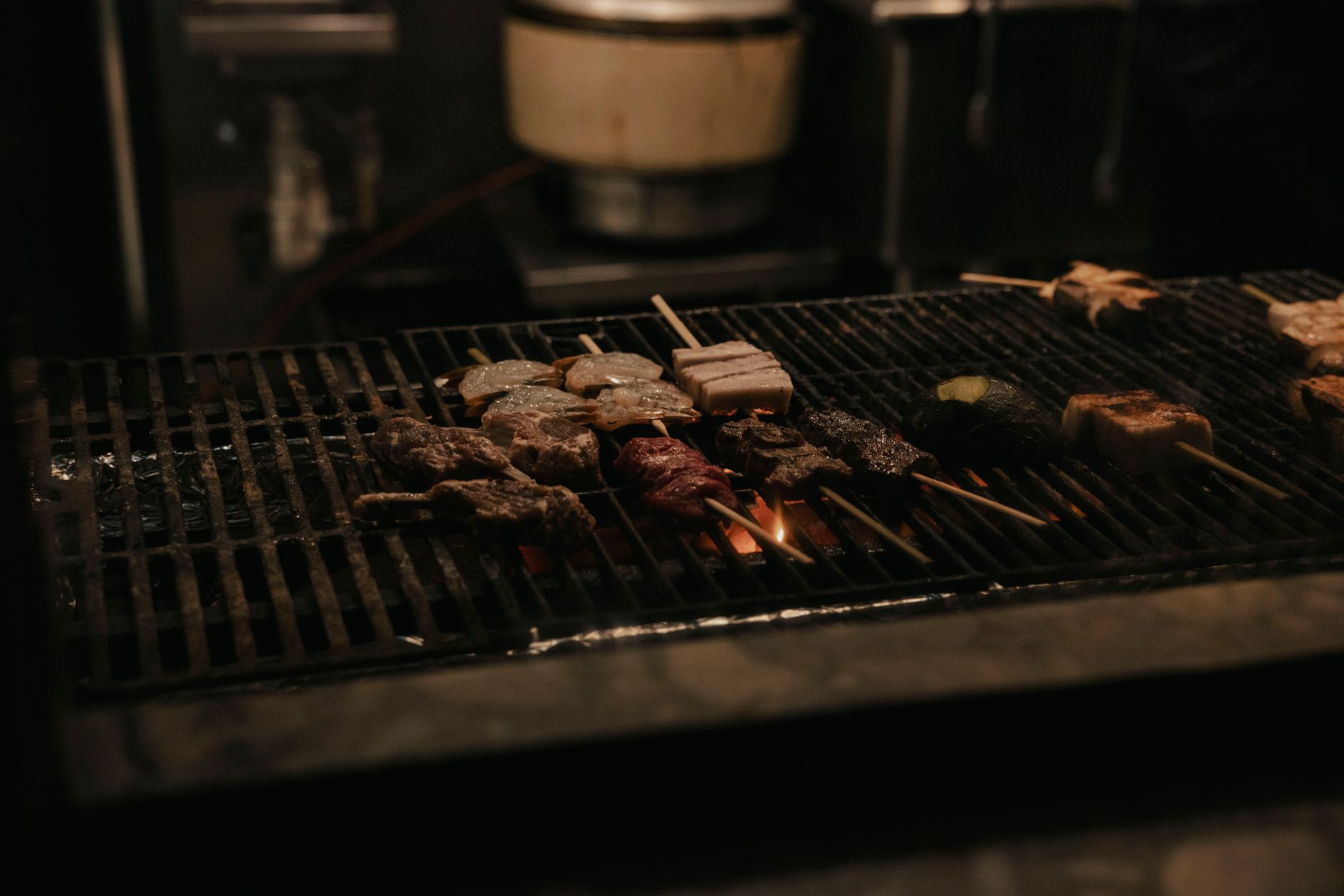
Grilling season inevitably brings up the same question: what to marinate the meat in — yogurt, wine, mustard, citrus — and for how long. Behind all the different marinade recipes out there sits a fairly simple shared logic.
What a good marinade is built from
Almost any working marinade comes down to three components: acid, oil, and salt, plus whatever spices and aromatics you want for flavor. The acid (vinegar, citrus juice, yogurt, wine, pomegranate juice) softens the surface of the meat slightly and adds tang, the oil helps spices spread evenly and helps retain moisture during cooking, and the salt carries flavor and, given enough time, helps the meat hold onto its juices better.
What a marinade actually does to meat
Contrary to popular belief, a marinade barely penetrates the interior of a piece of meat — most of its effect happens right at the surface and in the first few millimeters. The acid breaks down surface proteins slightly, which softens the texture there and helps the surface hold onto spices and flavor better. Don’t expect a marinade to “soak all the way through” no matter how long you leave it — the flavor mostly stays where it started, on the outside.
How long to marinate
There’s no single right answer, but there are useful guidelines. For tender cuts like chicken breast or tenderloin, 30 minutes to 2 hours is plenty — marinating longer in an acidic mixture can actually leave the texture dry or mushy. For tougher cuts, like pork shoulder or lamb, 4 to 12 hours works well, and sometimes even up to 24 hours in the fridge is fine, especially if the marinade isn’t too acidic.
The risk of over-marinating in acid
Marinating too long in a strongly acidic mixture is a common mistake, especially with vinegar or concentrated citrus juice. The acid keeps breaking down protein structure over time, and instead of tender meat you can end up with a dry, almost “pre-cooked” texture at the surface. If a recipe calls for a long marinating time, it’s better to build the marinade around a milder acid — yogurt, buttermilk, or wine — rather than straight vinegar.
Yogurt, wine, mustard: what’s the difference
Yogurt is a popular base thanks to its mild acidity and enzymes that work gently on the meat’s texture without drying it out, even over a long marinating time. Wine adds a more pronounced flavor and pairs well with red meat, while mustard essentially works as a ready-made blend of oil-like coating and acid that clings evenly to the surface of the meat. Choosing between them mostly comes down to taste rather than any major difference in results.
Onion as part of the marinade
Onion shows up in a lot of grilling marinades for more than flavor — enzymes in onion juice help soften the meat’s surface in a way similar to acid. For a more even effect, slicing the onion into rings or grating it works better than cutting it into large chunks, since that gets more of its juice in contact with the meat’s surface.
How much marinade to make
A common practical question is how much marinade is actually needed. The meat doesn’t have to be fully submerged — what matters more is that the marinade coats the whole surface rather than pooling at the bottom of the container. About 200-300 ml of marinade per kilogram of meat is usually enough, especially if the meat is turned occasionally or sealed in a zip-top bag that spreads the liquid evenly with a much smaller volume.
Bag or bowl
Marinating in a zip-top bag has a real practical edge over a bowl: pressing out the extra air lets the bag hug the meat closely, so the marinade touches the whole surface rather than just the side facing down. If a bowl is all that’s available, turning the meat a few times during marinating helps the acid and spices reach every side instead of settling on just one.
Practical tips before you cook
Marinate meat in the refrigerator, not at room temperature, to avoid giving bacteria a chance to multiply. Skip metal containers, especially aluminum, for acidic marinades — the acid reacts with the metal and can affect the flavor; glass, ceramic, or food-safe plastic work much better. And one more thing: a marinade that raw meat has been sitting in should never be used as a sauce or basting liquid for the finished grilled meat without boiling it first — that’s a direct route to foodborne illness.
 Share via email