Articles
Almonds: Benefits and Storage
2026-05-24
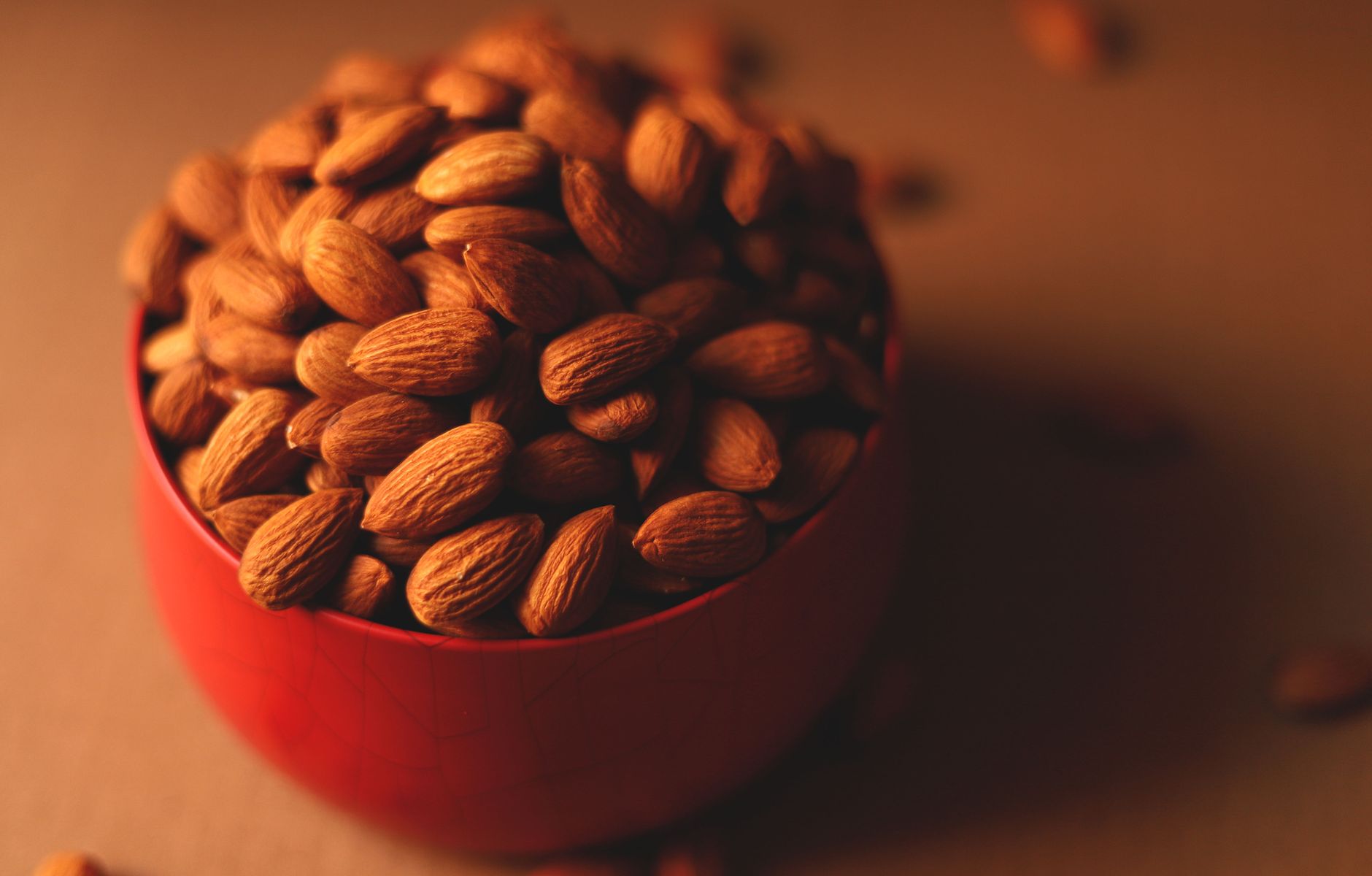
Almonds have long outgrown their reputation as a simple snacking nut — these days they show up whole, ground into flour, pressed into milk, blended into butter, and folded into everything from granola to salads. They’re also fairly calorie-dense, so it’s worth knowing how much to eat and how to keep a bag of them fresh once it’s opened.
Healthy fats and satiety
Almonds are close to half fat by weight, and most of that is monounsaturated — the same type found in olive oil, generally linked to cardiovascular benefits when eaten in moderation. Combined with protein and fiber, this makes almonds surprisingly filling: a small handful can meaningfully delay hunger between meals.
Protein and fiber
Almonds carry more plant protein than most other nuts, which makes them a convenient snack for anyone eating less meat or looking for a portable protein boost. The fiber they contain also supports digestion and can help smooth out blood sugar spikes when eaten alongside other carbohydrate-rich foods.
Vitamin E and antioxidants
Almonds are one of the richest plant sources of vitamin E, a potent antioxidant that helps protect cells from oxidative stress and supports skin health. They also supply a meaningful amount of magnesium and manganese, two minerals many people fall short on in a typical diet.
How many almonds to eat per day
Given how calorie-dense they are, almonds are best eaten by the portion rather than the handful: around 20-30 grams, or roughly a small handful of 15-20 nuts, is a sensible daily amount for most people. That’s enough to benefit from the fats and vitamins without quietly adding several hundred extra calories to the day.
Raw, roasted, or blanched
Almonds show up in several forms at the store: raw with the skin on, roasted, and blanched, meaning the papery brown skin has been slipped off after a brief soak in hot water. Roasting deepens the nutty flavor, but the heat can degrade some of the delicate fats, so if nutrition is the priority over taste, raw or lightly toasted almonds are the better pick. Blanched almonds are handy for baking and for making almond flour, though removing the skin also strips out some fiber and antioxidants along with it.
How to pick good almonds
Look and smell are the best guides at the store: good almonds are evenly pale, free of dark spots, and carry a mild, pleasant nutty smell. A rancid, paint-like or stale-oil odor is a clear sign the nuts have been stored too long or under the wrong conditions, and it’s worth skipping that bag even if the printed date hasn’t technically passed.
Storing almonds so they don’t go bitter
Like all nuts, almonds contain fats that oxidize over time, especially when exposed to light, warmth, and air. An open bag left in a kitchen cabinet can start tasting noticeably bitter within a couple of months. The safest bet is an airtight container in the refrigerator, where almonds keep their flavor for several months, or the freezer, where they’ll last a year or more. If you’ve bought a large bag, it’s worth freezing most of it and keeping only a small working portion out on the counter.
Almonds in other forms
Beyond whole nuts, almonds turn up as flour, milk, butter, and sliced or flaked toppings. Almond flour is a popular gluten-free stand-in for wheat flour in baking, though the lack of gluten means it behaves differently and needs different ratios. Almond milk is much lighter in calories than dairy milk but also much lower in protein, so it isn’t a true nutritional swap. Almond butter makes a great spread or sauce base, but it’s typically more calorie-dense than whole almonds simply because it’s more concentrated.
Almonds are a good example of a simple food rewarding a little extra attention — store them well and they’ll keep their flavor for months, and a sensible portion lets you enjoy the benefits without the calories creeping up unnoticed.
 Share via email