Articles
Green Tea: Benefits and Brewing
2026-05-30
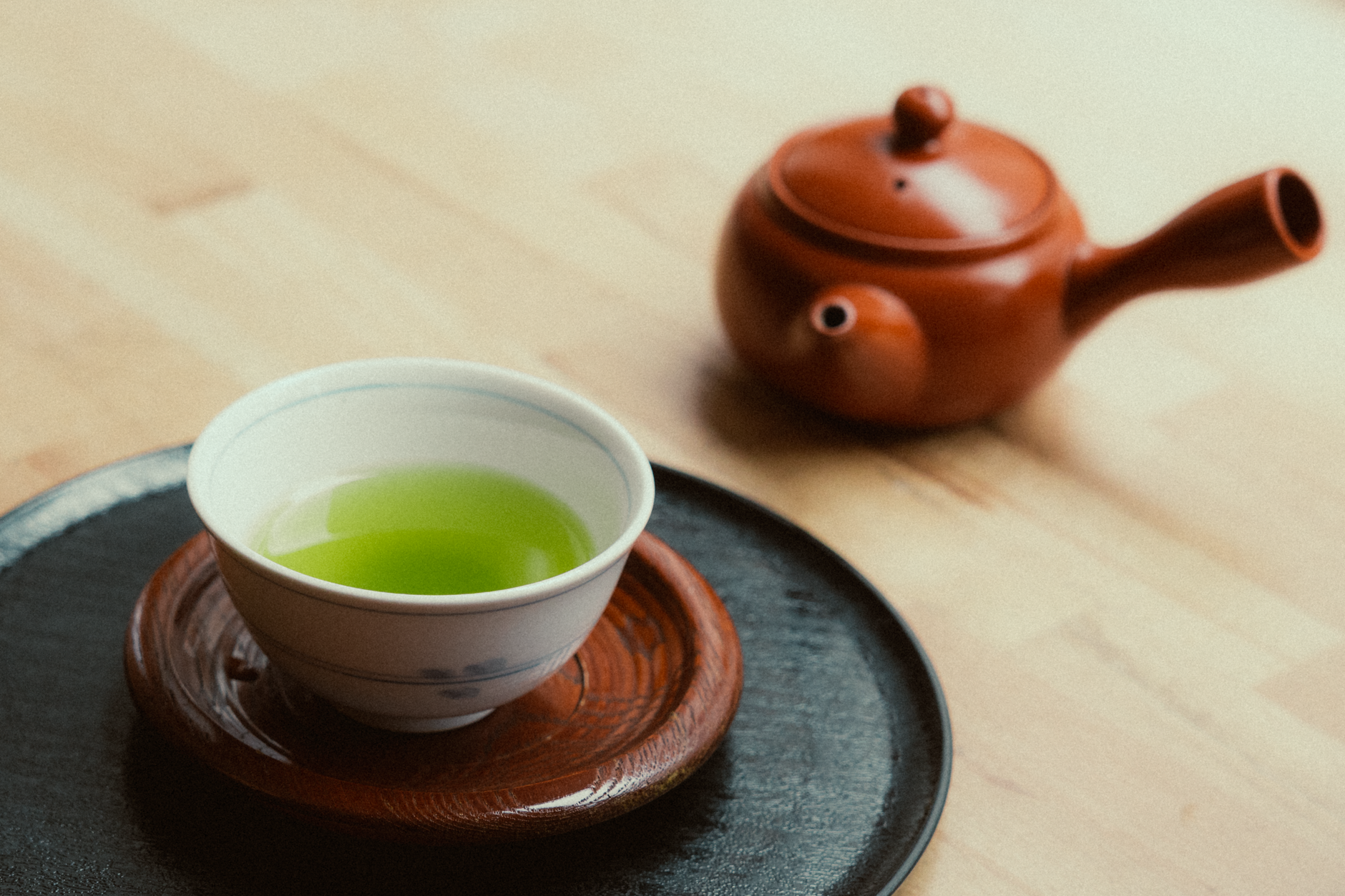
Green tea is one of the most studied beverages in the world, and unlike a lot of trendy foods, its “healthy” reputation actually has research behind it. That said, it’s worth knowing which effects are well supported and which are still tentative, along with how to brew it properly to get the most flavor without unnecessary bitterness.
How green tea differs from black tea
Green and black tea come from the same plant, Camellia sinensis — the difference is in processing. Green tea leaves undergo little to no fermentation, which preserves more catechins, a group of antioxidants that partially break down during the oxidation black tea goes through. Catechins, especially EGCG (epigallocatechin gallate), are considered the main source of green tea’s beneficial properties.
Antioxidants and heart health
Green tea catechins neutralize free radicals in the body and, in studies, are linked to improved cholesterol markers and a lower risk of cardiovascular disease with regular consumption. The effect is moderate rather than dramatic — green tea is best thought of as a helpful addition to an overall healthy diet, not a substitute for other factors like nutrition and physical activity.
Caffeine and L-theanine
Green tea does contain caffeine, though usually less than coffee — roughly 20-45 mg per cup versus 80-100 mg in a cup of coffee. What sets green tea apart is that it also contains an amino acid called L-theanine, which appears to smooth out caffeine’s effects: many people describe the feeling after a cup of green tea as calm alertness, without the sharp jolt and later crash that coffee can bring.
Metabolism and weight
Green tea often comes up in discussions about weight loss, and there is some real connection: catechins combined with caffeine can modestly increase the body’s energy expenditure. That said, the effect from tea alone is small and won’t drive meaningful weight loss on its own — it’s more of a minor bonus alongside a balanced diet and regular activity, not a solution by itself.
Other effects under study
Research has also looked at green tea’s relationship with brain function (thanks to the caffeine and L-theanine combination), dental health, and a potential protective role against certain cancers, though this evidence is less conclusive and often comes from observational studies rather than rigorous clinical trials. These effects are worth cautious optimism rather than treating them as settled fact.
How to brew it properly
The most common mistake with green tea is using water that’s too hot and steeping too long. Unlike black tea, green tea doesn’t do well with boiling water — the ideal temperature is around 75-85°C (167-185°F), otherwise the catechins and tannins produce noticeable bitterness. Without a thermometer, boiling the water and letting it sit for a minute or two before pouring works fine. Steeping time should also stay short — typically 1.5 to 3 minutes depending on the variety; more delicate types like sencha need less time than denser, oolong-adjacent green teas.
Getting multiple infusions from the same leaves
Quality loose-leaf green teas, particularly Chinese and Japanese varieties, can often be steeped two or three more times, with each subsequent infusion shifting the flavor slightly — frequently revealing new aromatic notes. To do this, just leave the leaves in the pot and add fresh hot water at the right temperature each time, extending the steeping time a little with each round.
Choosing water and teaware
The material of the teapot affects flavor too: porcelain and glass are considered neutral and work well for most green teas, while porous clay, like Yixing clay, gradually absorbs the tea’s aroma and can deepen the flavor over time if used consistently for the same variety. Water quality matters just as much as temperature — hard water high in minerals can noticeably distort the taste, so filtered or bottled water with moderate mineral content tends to give better results.
Storing green tea properly
Green tea is more sensitive to storage conditions than black tea, since its leaves retain more of the active compounds that break down when exposed to light, air, moisture, and strong odors. It’s best kept in an opaque, airtight container, away from direct sunlight and heat sources, and ideally away from strongly scented foods like spices or coffee, which tea leaves absorb easily. Stored this way, good-quality green tea holds onto most of its flavor and benefits for roughly a year after harvest.
 Share via email