Articles
Welcoming Summer: A Seasonal Menu
2026-06-01
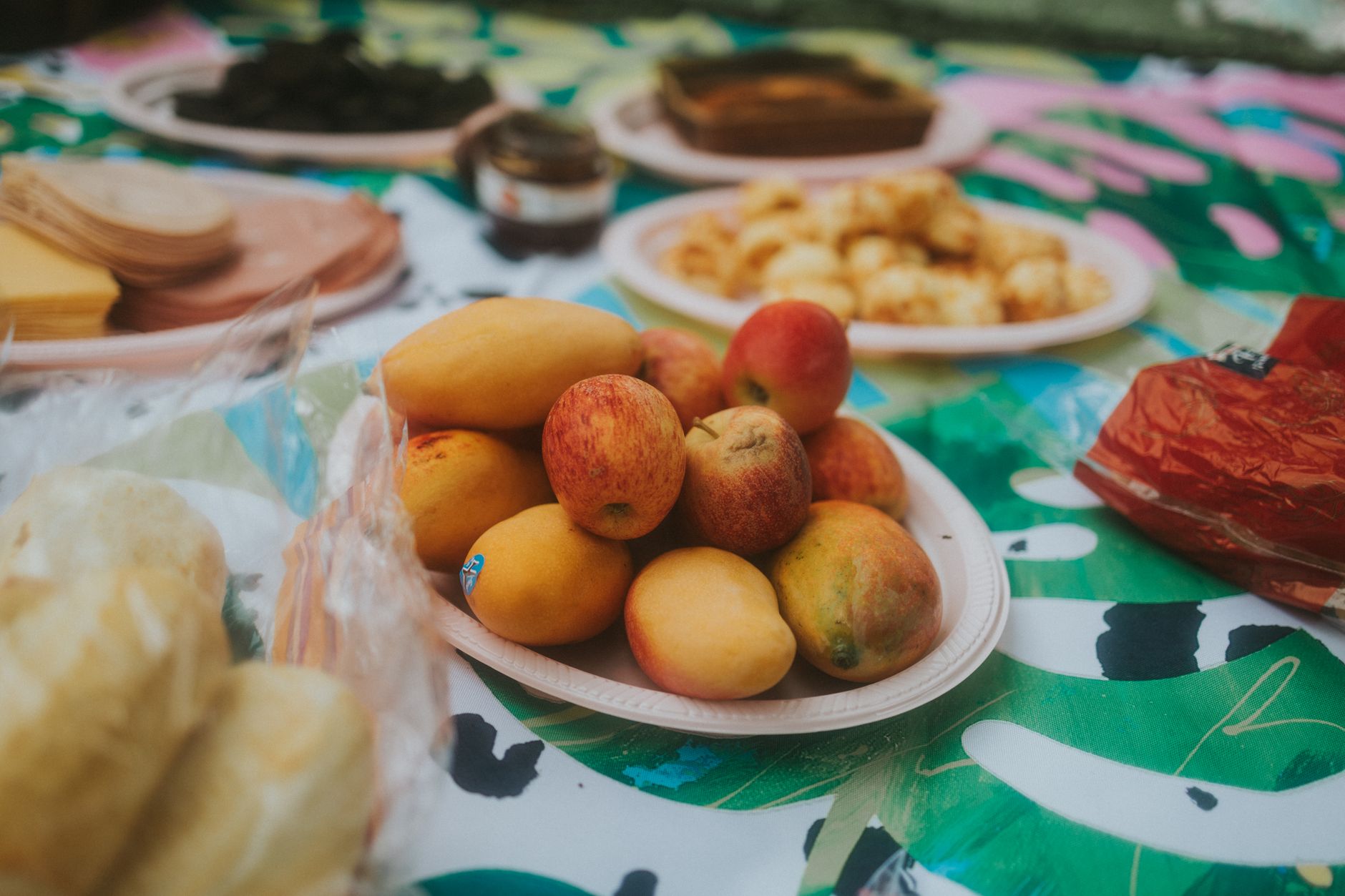
Once summer arrives, it’s not just the weather that changes — what feels appealing on a plate shifts too. Heavy soups and baked casseroles give way to light salads, cold appetizers, and dishes that come together quickly without keeping anyone tied to a hot stove. A seasonal summer menu isn’t a rigid plan so much as a way of leaning into what’s freshest, cheapest, and most flavorful right now.
Why seasonal eating makes sense
Summer vegetables, herbs, and berries ripen exactly when the body tends to want lighter, water- and fiber-rich food. Seasonal produce is usually cheaper too, since it doesn’t need long transport or storage, and the flavor is noticeably better — a tomato or young zucchini picked at its peak tastes very different from a greenhouse version sold in winter. Cooking with what’s in season also tends to be simpler: fresh vegetables are good on their own, without elaborate sauces or long braising.
What’s in season right now
Early summer brings young zucchini, cucumbers, radishes, green peas, and the first strawberries. A bit later come tomatoes, eggplant, bell peppers, corn, raspberries, and cherries. Herbs like dill, parsley, basil, and arugula are also at their most fragrant during this stretch. It makes sense to plan meals around whatever is actually showing up at the market or grocery store right now, rather than forcing dishes built around produce that isn’t in its prime yet.
Quick cooking methods for hot weather
Nobody wants to run the oven or stand at the stove for long in summer heat, so it helps to build meals around fast cooking methods. A grill is a great option — zucchini, eggplant, peppers, corn, and light cuts of meat or fish all cook in minutes on a grate. Cold soups, whether a chilled cucumber soup or gazpacho, need no cooking at all. Simple salads dressed lightly are another way to put together a satisfying meal without heating up the kitchen.
Balancing fresh and cooked
A summer menu shouldn’t be all raw vegetables — the body still needs protein and complete meals. A solid approach is pairing fresh salads and light starters with a simple protein: grilled or baked fish, chicken, eggs, or legumes. That combination keeps meals filling without weighing down digestion in hot weather.
Staying hydrated
Fluid needs go up in summer because of heat and sweating, so hydration deserves some attention. Alongside plain water, unsweetened fresh berry compotes, herbal infusions with mint, homemade fruit drinks, and water with lemon or cucumber slices all work well. These options refresh without relying on sugary sodas, and they help replace fluids in a more natural way.
Ideas for a summer table
Putting together a week of seasonal meals isn’t complicated: fresh berries with yogurt or cottage cheese for breakfast, a light soup or protein salad for lunch, something grilled or oven-roasted with vegetables for dinner. Snacks deserve attention too — sliced vegetables, fruit, or berries beat heavy baked goods when it’s hot outside.
Keeping food safe in the heat
Summer heat calls for more caution around food storage — perishables like dairy-based sauces, mayonnaise salads, meat, and fish spoil noticeably faster than they would in winter if left out of the fridge even briefly. For picnics and meals on the go, an insulated cooler bag with ice packs is worth the trouble, and dressed dishes are safer assembled right before serving rather than well in advance. Vegetables and herbs, on the other hand, stay fresh longer stored in a container or bag in the fridge rather than left out on the counter.
Getting the most out of seasonal prices
Even seasonal produce can swing in price over the course of a week depending on where it’s bought — at a farmers market, fresh vegetables and berries are often cheaper late in the day than first thing in the morning. It’s worth stocking up on whatever freezes well — berries, herbs, some vegetables — to stretch the season’s flavor into cooler months. Berries frozen in summer make a solid addition to breakfast or the base of a compote later in the year.
The takeaway
A summer menu comes down to simplicity and freshness: fewer complicated techniques, more seasonal produce, and attention to hydration. Beyond saving time and money, this approach makes eating feel more comfortable exactly when the body wants things light.
 Share via email