Articles
Egg Substitutes for Baking
2026-06-02
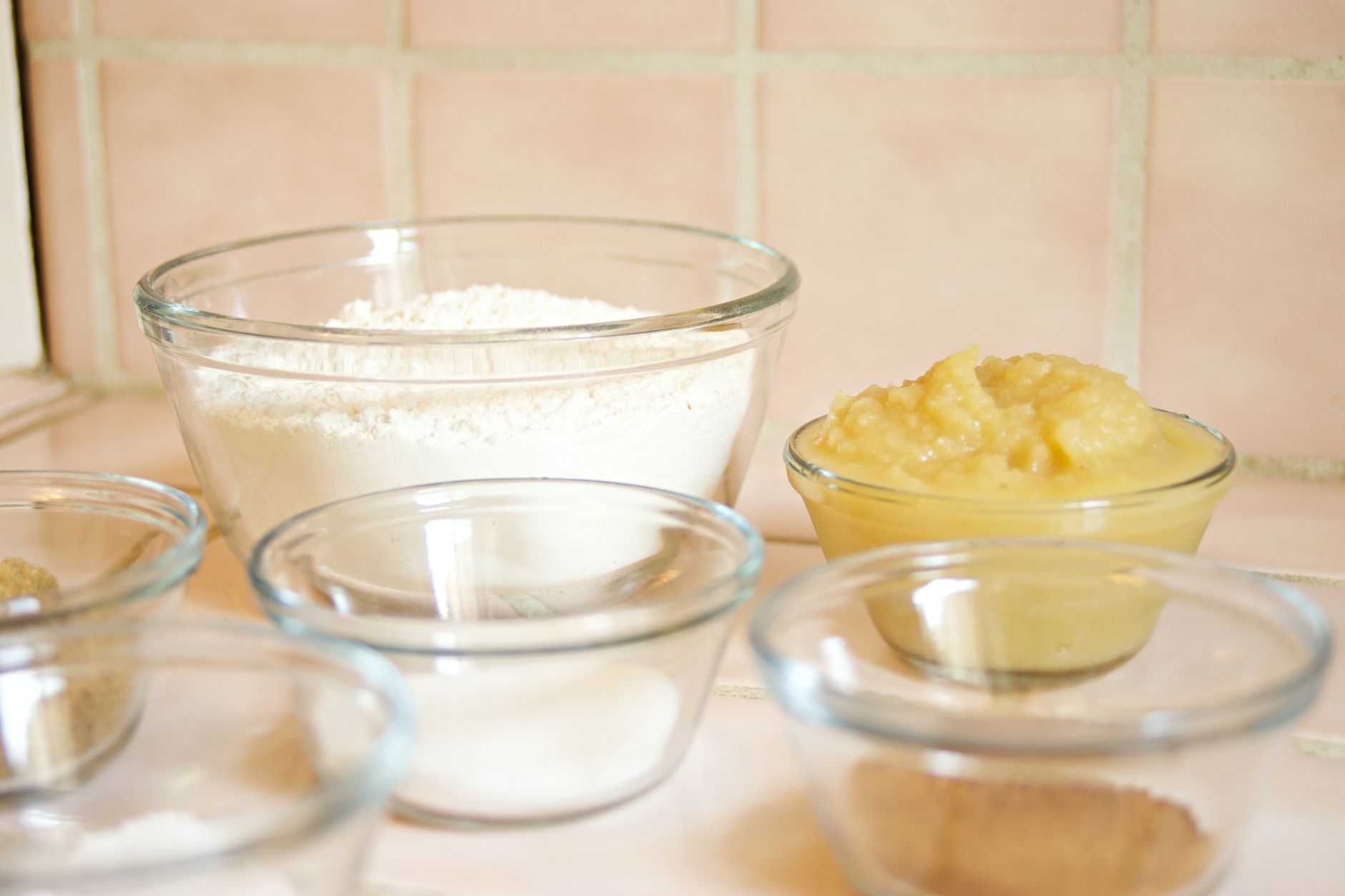
Eggs do several jobs in baking at once: they bind ingredients together, help batter rise, and keep the crumb tender. That’s why simply leaving them out of a recipe rarely works — something else has to step in and cover those roles. The reasons for swapping eggs out vary, from allergies to vegan baking to just running out at the wrong moment. The good news is that most kitchens already have something on hand that can do the job.
What eggs are actually doing in the batter
Before picking a substitute, it helps to think about what the eggs are doing in a specific recipe. In some bakes they’re mostly a binder holding things together, which matters most in dense items like cookies or filled pies. In others, they’re responsible for lift and airiness, as in sponge cakes, where beaten eggs literally hold the structure up. And in some recipes, eggs mainly add moisture and softness, like in muffins. That distinction is the starting point for choosing a substitute.
Banana and applesauce
Ripe mashed banana or unsweetened applesauce is one of the most common egg substitutes in sweet baking — muffins, quick breads, oatmeal cookies. About 60-70 g of puree typically replaces one medium egg. It binds the batter reasonably well and adds natural sweetness and moisture, though it does shift the flavor slightly — the banana or apple note becomes noticeable, especially when replacing more than one egg.
Flaxseed and chia seeds
Ground flaxseed or chia seeds mixed with water — roughly 1 tablespoon of seeds to 3 tablespoons of water, left to sit for 5-10 minutes — turns into a gel that mimics an egg’s binding role fairly well. This works especially well in denser baking like cookies, bars, and bread, and adds a bit of fiber and healthy fat as a bonus.
Yogurt and other dairy substitutes
Plain yogurt, buttermilk, or sour cream can also stand in for an egg, particularly in recipes that need a soft, moist crumb, like muffins or pancakes. About 60 g of yogurt typically replaces one egg. This swap doesn’t add lift, so in recipes where the eggs were mainly responsible for airiness, it helps to add a bit more baking powder to compensate.
Baking soda with vinegar or acid
A teaspoon of baking soda combined with a tablespoon of vinegar or lemon juice creates a reaction that helps batter rise — useful specifically where lift matters more than binding. This combination shows up often in vegan baking, where there’s neither egg nor dairy to rely on.
Store-bought egg replacers
Powdered egg replacers made from starches and plant-based thickeners are widely available and get mixed with water according to the package instructions. They’re convenient because they barely affect flavor and work predictably across most recipes, including ones that need both binding and lift at the same time.
Aquafaba, the liquid from a can of chickpeas
Aquafaba — the liquid left over from cooking chickpeas, or simply drained from a can — turns out to be a surprisingly effective substitute for egg whites. Whipped with a mixer, it forms a stable foam much like beaten egg whites and works well in recipes that depend on airiness, such as meringues, mousses, and some sponge cakes. About 3 tablespoons of aquafaba replaces one egg, and its flavor is neutral enough that it barely registers in the finished bake.
Silken tofu for dense bakes
Soft silken tofu, blended smooth, can replace eggs in dense bakes like brownies or cheesecakes where a moist, creamy texture matters. Roughly 60 g of blended tofu replaces one egg. It has almost no flavor of its own, but it does shift the texture toward denser and more moist, so it works best in recipes where that’s already the goal.
Choosing the right substitute for the recipe
For dense baking — cookies, brownies, bars — flaxseed, banana, or applesauce tend to work best. For soft, moist bakes like muffins and quick breads, yogurt or banana are solid choices. And where real lift matters, as in sponge cakes and some cake batters, baking soda with an acid or a store-bought powdered replacer is the safer bet. Sometimes it’s worth combining two substitutes at once to cover both binding and rise in the same recipe.
 Share via email