Articles
Natural Yogurt: How to Choose
2026-06-11
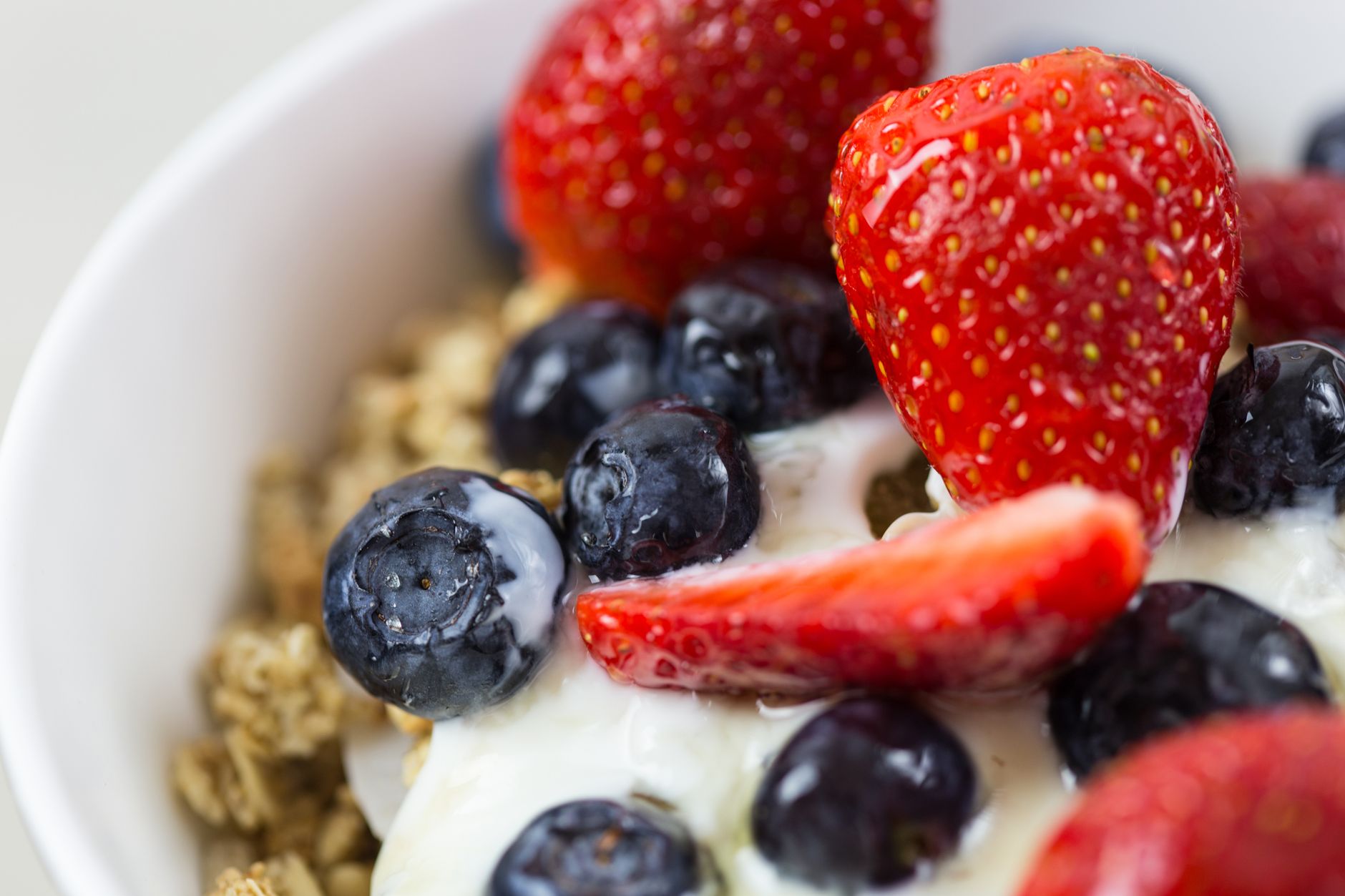
Grocery store yogurt aisles can be genuinely confusing: dozens of tubs promise “natural,” “live cultures,” and “gut health benefits,” yet many of them are closer to a dessert than a traditional fermented dairy product. A few label-reading habits make it much easier to tell which ones actually deserve a spot in the cart.
Read the ingredient list, not the front of the package
The most reliable source of information is the ingredient list, not the marketing claims printed across the front. A genuinely natural yogurt has a short ingredient list: milk and live cultures, and nothing else. If the list includes thickeners (starch, gelatin, pectin, gums), stabilizers, flavorings, or sugar in any form, it’s no longer a classic natural yogurt — it’s a yogurt-style product or dessert, regardless of what the front label claims.
Protein content as a quality signal
Protein content is a decent indirect indicator of whether you’re looking at real yogurt or a diluted product. A quality plain yogurt typically lists around 4-6 g of protein per 100 g, while Greek yogurt, which has had some whey strained out, runs 8-10 g or higher. If protein is noticeably lower despite a similar texture, the product has likely been diluted or thickened artificially rather than naturally concentrated.
Live cultures and what “live” actually means
A good yogurt lists its live cultures on the label — at minimum Lactobacillus bulgaricus and Streptococcus thermophilus, and often additional probiotic strains like Bifidobacterium or Lactobacillus acidophilus. These cultures are responsible for both the characteristic tang and much of the digestive benefit people associate with yogurt. Products that are heat-treated after fermentation no longer contain live cultures, even if they were present originally.
Sugar hides under different names
Many yogurts, especially fruit-flavored and kids’ varieties, contain more added sugar than expected — sometimes 10-15 g per serving, comparable to some desserts. It’s worth checking not just the “sugars” line on the nutrition panel but the ingredient list itself, since added sugar can appear under names like glucose-fructose syrup, dextrose, or fruit juice concentrate. Plain natural yogurt shouldn’t have any added sugar at all — only the natural lactose from milk, which also shows up as “carbohydrates” but isn’t the same thing.
Fat content is mostly a matter of preference
Yogurt comes in a range of fat levels, from fat-free to 8-10% or higher. Nutritionally, there’s no single “correct” choice here: full-fat yogurt is more filling and helps the body absorb fat-soluble vitamins, while low-fat versions cut calories but often rely on more additives to compensate for the texture lost when fat is removed. It’s worth checking the ingredient list on low-fat yogurt specifically, since that’s the category where thickeners show up most often.
Texture and appearance
Natural yogurt without stabilizers often has a thinner or less uniform texture, and a bit of whey can separate on top — that’s completely normal and just needs a stir, not a sign the product has gone bad. A yogurt that stays perfectly smooth and uniform over a long shelf life, on the other hand, is more likely to contain thickeners.
Shelf life as a clue
Natural yogurt without preservatives usually has a fairly short shelf life — up to 2-3 weeks refrigerated. Products with a shelf life of several months have almost certainly been heat-treated further or contain preservatives that suppress the natural microflora.
Putting it into practice
The simplest checklist: milk and live cultures as the ingredients, no added sugar or thickeners, live cultures listed on the label, and a relatively short shelf life. For anyone craving a sweeter, fruit-flavored option, it’s usually smarter to buy plain natural yogurt and stir in fresh or frozen berries and a little honey — that way you control the sugar while keeping the benefit of the live cultures intact.
 Share via email