Articles
Cucumbers: Benefits and How to Choose
2026-07-16
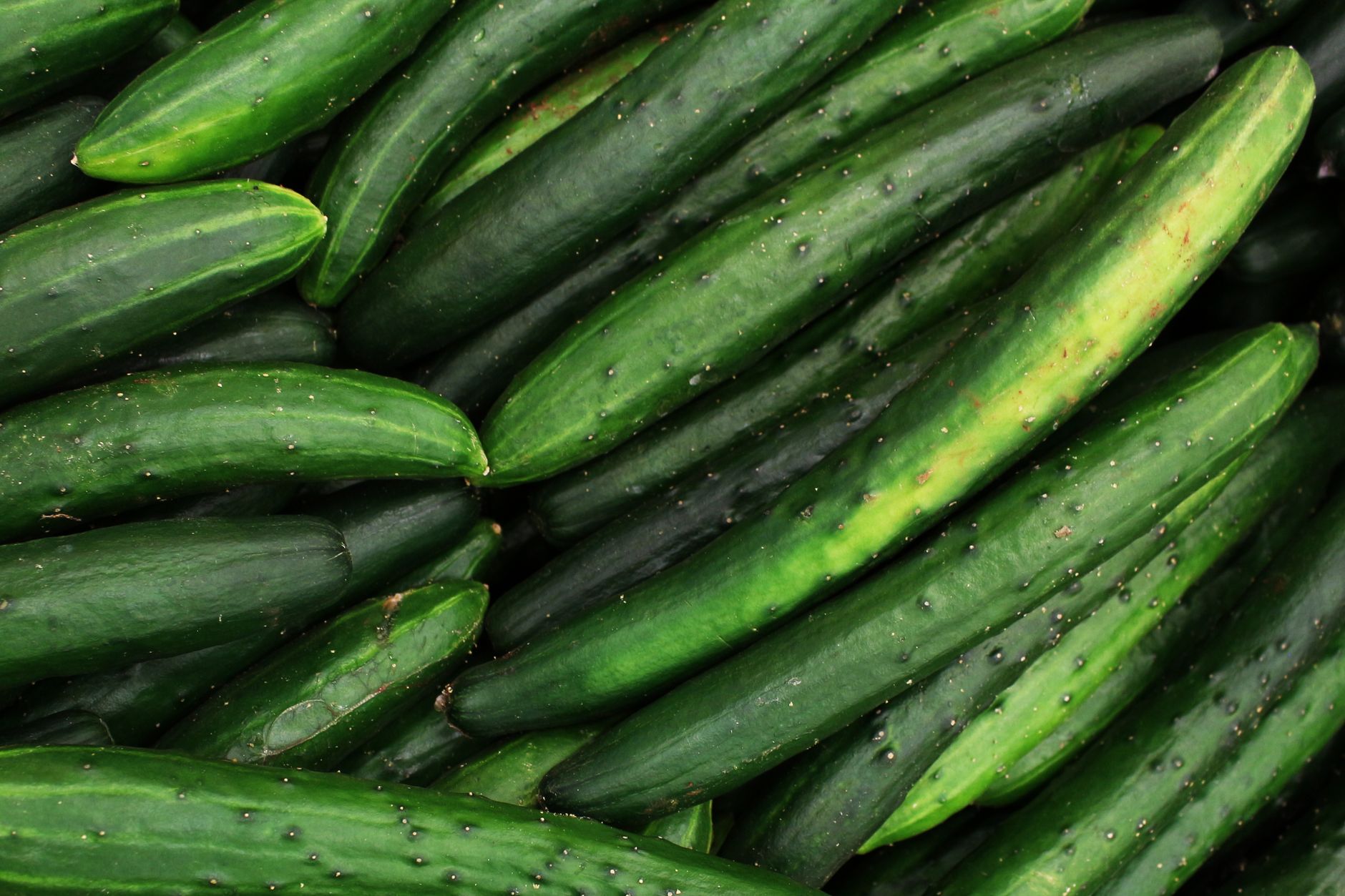
Cucumber is one of the most underrated vegetables in the kitchen: it has almost no flavor of its own, rarely takes center stage in a dish, and gets treated more like salad filler than a food worth thinking about. That very blandness is exactly what makes it so useful, and its nutritional makeup is less trivial than it looks.
Mostly water, and that’s not a downside
Cucumber is roughly 95-96% water — one of the highest figures of any vegetable. That sometimes gets it dismissed as “nutritionally empty,” but high water content isn’t a flaw: it’s precisely what makes cucumber a low-calorie way to add bulk and a feeling of fullness to a dish without contributing much to your daily calorie count. A serving of fresh cucumber is, in effect, an extra source of fluid you don’t even register as drinking.
Fiber and digestion
Despite being mostly water, cucumber does contain fiber, concentrated mainly in the skin — which is one reason to eat it unpeeled where practical, as long as it’s been washed well. That fiber gently supports regular digestion, and combined with the high water content, makes cucumber a genuinely useful food in hot weather, when the body needs both fluid and something light.
Vitamins and minerals
Cucumber contains vitamin K, important for blood clotting, along with modest amounts of vitamin C and potassium — again, concentrated closer to the skin, another argument for not peeling it entirely. In absolute terms, cucumber isn’t among the most nutrient-dense vegetables, but eating it regularly still adds up to a small, steady contribution to overall intake.
Cucumber and staying hydrated in the heat
In summer, cucumber’s water content is exactly what makes it valuable: in salads, cold soups, or eaten plain as a snack, it helps with hydration without requiring an extra glass of water on top. It’s not a substitute for actually drinking water, but it’s a genuinely useful supplement to your fluid intake on hot days.
How to pick a good cucumber
A good cucumber should feel firm to the touch, with no soft spots or noticeable dents. The skin should be a deep, even green, without yellowing patches — yellowing usually signals overripeness and a bitter taste. Give the ends a gentle squeeze: if they give or leave a dent, the cucumber has likely started to spoil. A fresh cucumber has a distinct crunch when cut, and the cross-section should look dense rather than watery or spongy.
Why cucumbers sometimes taste bitter
Bitterness in cucumbers comes from cucurbitacins, compounds whose concentration rises under growing stress — heat, insufficient watering — and which are most concentrated in the skin and the stem end. If a cucumber tastes bitter, trimming off the skin and about an inch from each end usually removes enough of it to make the rest perfectly pleasant to eat.
How to store cucumbers so they don’t go limp
Cucumbers don’t handle very cold temperatures well: stored right near 0°C, the skin can develop pitting and a slimy texture faster than it would in a slightly warmer part of the fridge. The best spot is the vegetable drawer, wrapped in a paper towel that absorbs excess moisture and can add several extra days of freshness.
Overall, cucumber is a simple, inexpensive, almost background vegetable that rarely steals the show but reliably does its job: adding bulk, crunch, and fluid for next to no calories. That very unassuming quality is exactly why it deserves a bit more credit than it usually gets.
 Share via email