Recipes
How to Build a Cheese Board
2025-09-21
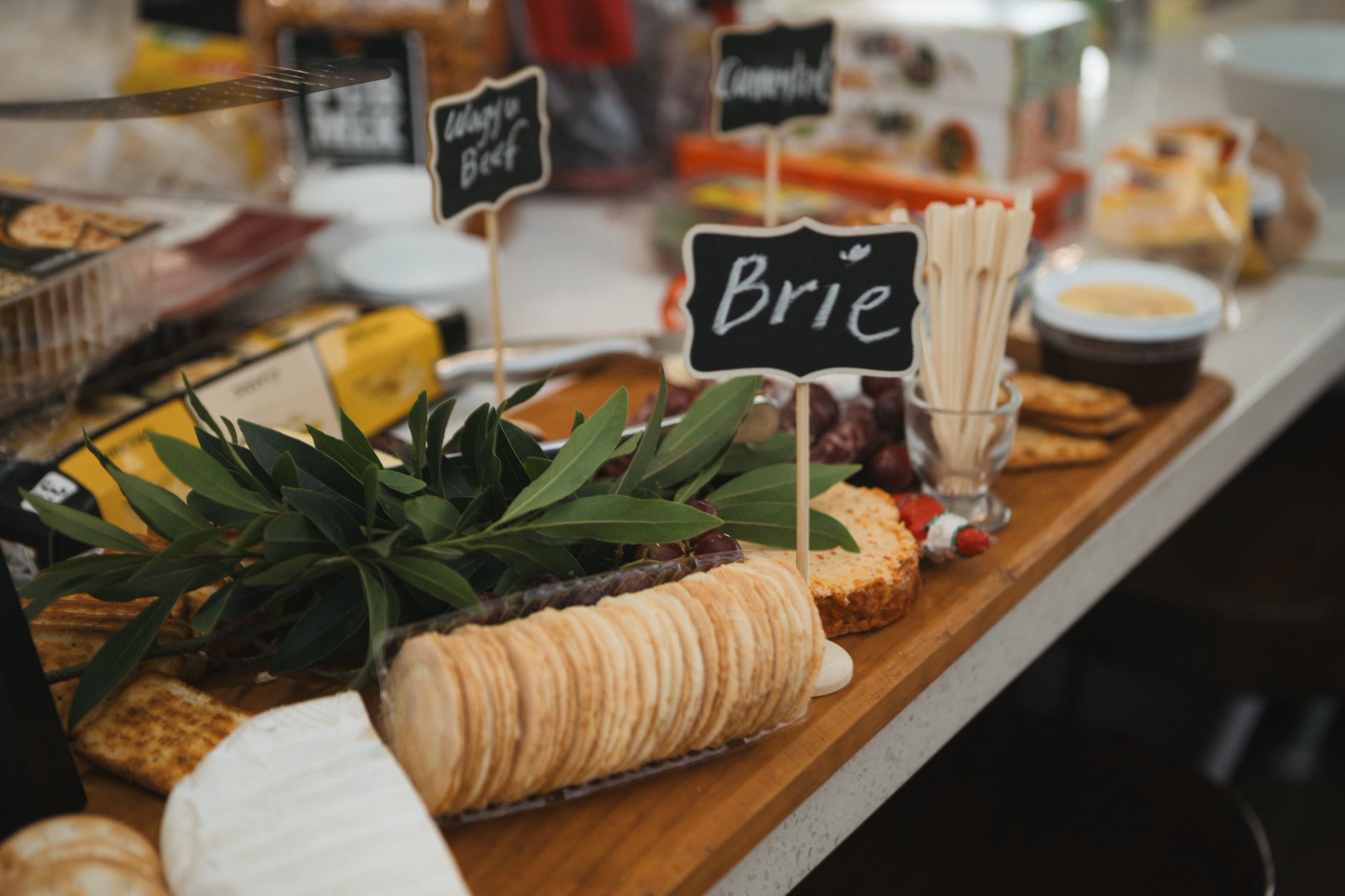
A cheese board isn’t really a recipe in the usual sense — it’s more about composition: arranging a handful of cheeses and accompaniments so the whole thing looks generous and works together on the palate. A good board is built on contrast, in texture, sharpness, and sweetness, so every guest finds something they like.
The foundation is three or four different cheeses: one firm and aged, one soft with a bloomy rind, one easygoing semi-hard cheese, and one blue cheese for anyone who likes something sharper. Avoid picking five cheeses that are all similar in texture — the board will look and taste one-note, even if each cheese is excellent on its own.
Sweet and tangy additions like grapes, dried fruit, honey, or jam aren’t just decoration — they’re part of the flavor structure. They balance out the saltiness and richness of the cheese and make it easier to move between different cheeses without overwhelming your palate. Nuts add crunch and another layer of texture, while crackers and bread are, quite literally, what holds everything together.
Rather than lining cheeses up in a row, arrange them diagonally or in a loose triangle and fill the gaps with fruit and nuts — this makes the board look fuller and more inviting. Serve it soon after assembling, before the cheese starts to dry out at the edges, and pour a glass of dry wine or cider alongside it.
Ingredients
- 300 g hard cheese (parmesan or aged cheddar)
- 250 g soft cheese (brie or camembert)
- 200 g semi-hard cheese (gouda or manchego)
- 100 g blue cheese
- 150 g grapes
- 100 g dried apricots or figs
- 100 g mixed nuts (walnuts and almonds)
- 150 g crackers or sliced baguette
- 100 g honey or berry jam
- 1 sprig rosemary for garnish
Instructions
- Take all the cheeses out of the fridge 30-40 minutes before serving so they reach room temperature and taste their best.
- Choose a large wooden board or a wide flat platter as your base.
- Place the hard and semi-hard cheeses in different corners of the board, leaving space between them.
- Slice the hard cheese into thin wedges or sticks, and leave the soft cheeses whole with their own knife.
- Fill the gaps between the cheeses with small clusters of grapes, dried apricots, and nuts.
- Add crackers and baguette slices, fanning them out near the cheeses they pair with best.
- Drizzle honey over part of the soft cheese or set out jam in a small bowl alongside it.
- Garnish the board with a sprig of rosemary and serve right away while the cheeses are still at room temperature.
 Share via email