Recipes
Vegetarian Pilaf
2026-05-11
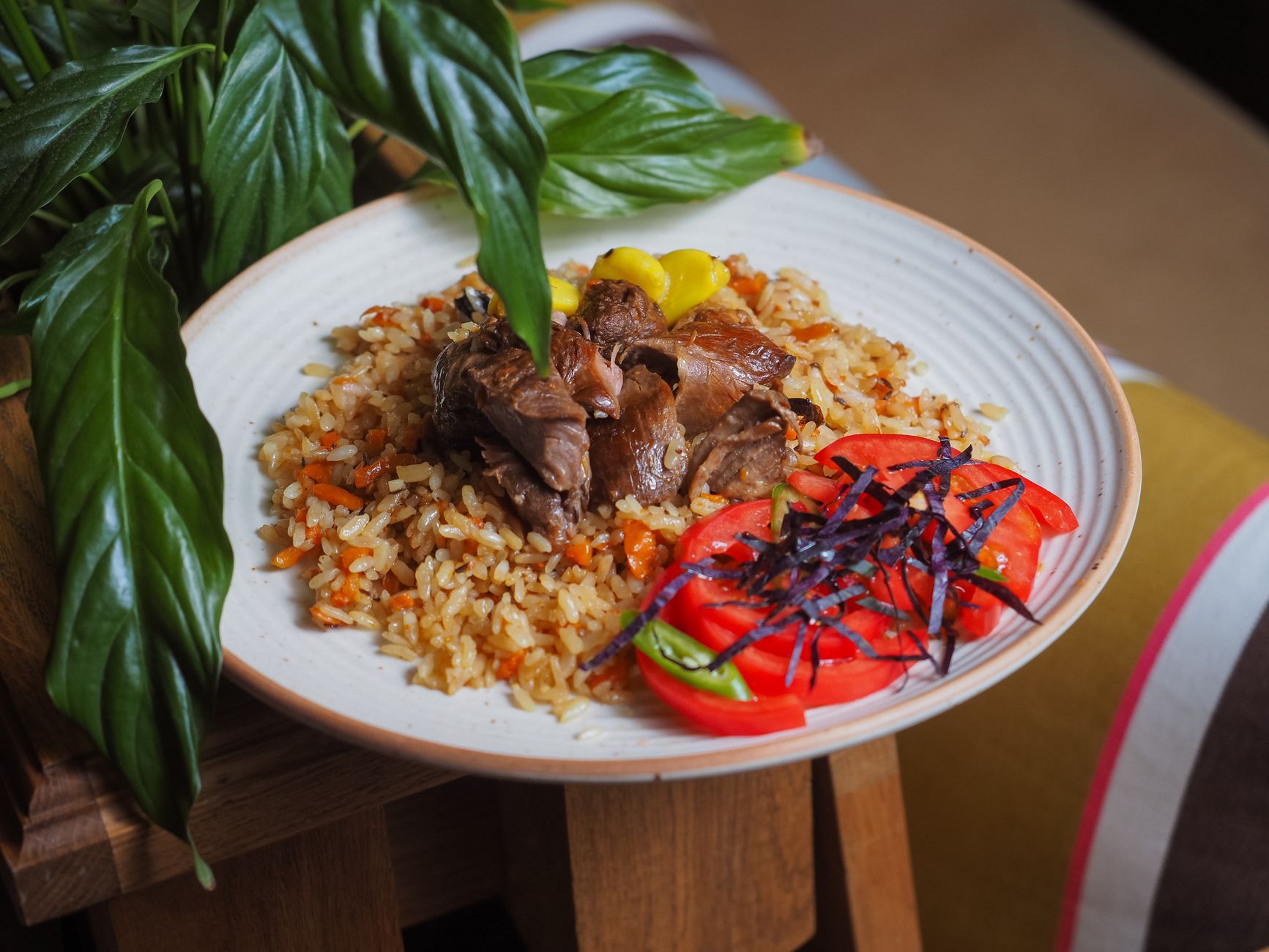
Pilaf doesn’t have to include meat — the combination of caramelized onion, carrot, garlic, and warm spices carries so much flavor on its own that a vegetarian version can be just as satisfying as the classic. Chickpeas step in here to add hearty plant-based protein, so the dish still feels substantial without any meat.
The foundation: well-cooked vegetables
As in a traditional pilaf, most of the flavor here comes from the base — onions and carrots cooked slowly with spices until deeply aromatic. The onions need to go past soft and translucent all the way to a real golden brown; that caramelization is what gives the finished rice its depth. The spices — cumin, turmeric, and coriander — get a brief toast in the oil before the rice goes in, which helps them bloom fully.
Chickpeas in place of meat
Chickpeas make a convenient stand-in for meat in pilaf: they hold their shape through a long simmer, don’t turn mushy, and soak up the broth and spices well. Canned chickpeas work fine for a quicker version, while chickpeas cooked from dried beans have a slightly firmer bite and a richer flavor.
Why the right rice matters
Long-grain rice or basmati is the best choice here — it stays separate and fluffy rather than clumping together. Rinsing the rice beforehand isn’t optional: it washes away surface starch that would otherwise make the grains stick together as they cook.
Why you shouldn’t lift the lid early
The final stage of cooking pilaf happens by steam, not by boiling liquid — the rice finishes cooking on the steam trapped under a tightly closed lid. Lift the lid too soon and that steam escapes, which can leave the top layer of rice undercooked while the bottom scorches. It’s worth resisting the urge to peek until the cooking time is up.
Variations and add-ins
This pilaf is easy to riff on: raisins or dried apricots add a light sweetness that plays well against the spices, and a pinch of dried barberries brings the tart edge typical of Uzbek-style pilaf. Lentils or beans can stand in for the chickpeas, and swapping in some pumpkin for part of the carrot gives a sweeter result.
How to serve it
Vegetarian pilaf holds up well on its own, but it’s traditionally served alongside a simple tomato and onion salad dressed with vinegar, which cuts through the richness with a bit of acidity. Leftovers reheat well the next day and lose very little in flavor.
Ingredients
- 2 cups long-grain rice (basmati works well)
- 14 oz (400 g) carrots
- 2 large onions
- 4 garlic cloves
- 14 oz (400 g) cooked chickpeas (or 1 can, drained)
- 4 tbsp vegetable oil
- 1 tsp cumin seeds
- 1 tsp turmeric
- 1/2 tsp ground coriander
- a pinch of saffron or barberries (optional)
- 3 cups (700 ml) vegetable broth or water
- salt and pepper, to taste
Instructions
- Rinse the rice several times until the water runs clear, then let it soak for 15-20 minutes.
- Cut the carrots into thick matchsticks and slice the onions into half-moons.
- Heat the oil in a heavy pot or Dutch oven and cook the onions until deeply golden.
- Add the carrots and cook for another 7-10 minutes, stirring occasionally.
- Stir in the cumin, turmeric, coriander, and whole garlic cloves, and cook for 1-2 minutes until fragrant.
- Add the chickpeas, stir, and warm through for 2-3 minutes.
- Drain the rice and spread it evenly over the vegetables without stirring it in.
- Gently pour in the hot broth so it covers the rice by about 1.5-2 cm, and season with salt.
- Bring to a boil, then reduce the heat to low, cover tightly, and cook for 20-25 minutes without lifting the lid.
- Remove from heat and let it rest, covered, for another 10 minutes, then fluff gently and serve.
 Share via email